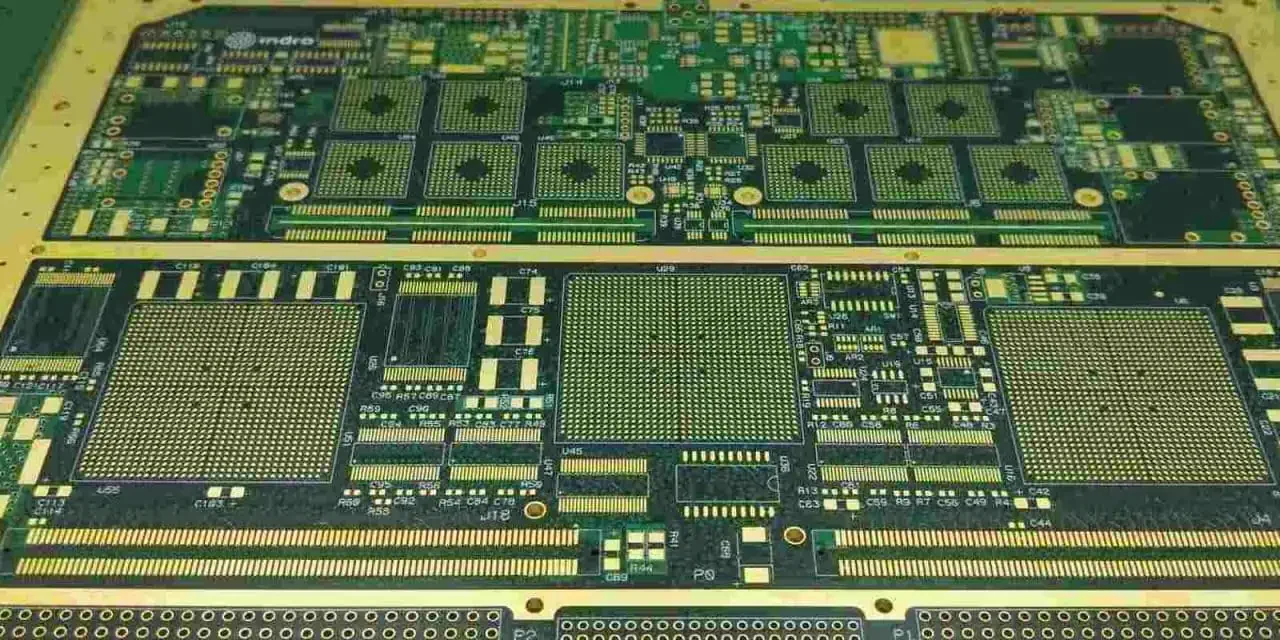
High Layer Count PCB - KKPCB
 
HomeTag

High Layer Count PCB - KKPCB

ATE PCB Supplier Capabilities for High-Speed, High-Reliability Automated Test Equipment Systems

An ATE PCB supplier is a critical technical partner in the development of Automated Test Equipment (ATE) systems used for semiconductor validation, characterization, and production testing. Unlike general-purpose electronics, ATE platforms demand extreme electrical accuracy, mechanical durability, and long-term repeatability, placing significantly higher requirements on PCB design and manufacturing quality. Technical Demands of ATE PCB...

Megtron PCB Manufacturing Guide: Benefits, Applications & Material Options

Megtron PCB: A Low-Loss Solution for High-Speed Digital and Advanced Electronics As electronics continue to evolve toward higher data rates, lower latency, and greater integration, PCB materials play a critical role in maintaining signal quality. In high-speed applications such as data centers, servers, 5G infrastructure, and high-performance networking equipment, signal loss and impedance instability can...

Megtron 6 PCBs: Ultra-Low Loss High-Speed PCB Material for 56G/112G SerDes and Advanced Signal Integrity

As data rates continue to increase across modern electronics, PCB materials are no longer just a mechanical platform—they directly determine high-speed performance, signal quality, and product reliability. Today’s systems such as AI servers, data center switches, routers, advanced backplanes, and high-speed compute modules require extremely stable electrical characteristics to support multi-gigabit and ultra-high bandwidth transmission....

Designing Automated Test Equipment PCBs for Signal Integrity, Timing Accuracy, and Long-Term Test Reliability

Automated Test Equipment (ATE) systems place some of the most demanding electrical and mechanical requirements on PCB design. An Electrical Requirements in  must simultaneously support high-speed digital interfaces, precision analog measurement paths, high pin-count connectivity, and long-term operational stability under continuous duty cycles. Unlike consumer or general industrial electronics, ATE PCBs function as measurement instruments,...

Semiconductor Testing PCB: High-Reliability PCBs for Advanced Device Validation and Production Testing

As semiconductor devices continue to scale in speed, complexity, and pin count, testing accuracy becomes critical. The Semiconductor Testing PCB serves as the core platform connecting devices under test (DUTs) with automated test equipment (ATE), enabling precise electrical characterization and reliable production testing. High-quality semiconductor testing PCBs are essential for yield improvement and risk reduction....

From Stackup Planning to Lamination Control: Engineering High Layer Count PCBs That Actually Work

Engineering High Layer Count PCBs: Why “More Layers” Isn’t the Answer As electronic systems evolve toward higher speeds, higher integration, and smaller form factors, high layer count PCBs—typically 16 layers and above—have become standard in data centers, telecommunications, aerospace electronics, and advanced industrial systems. However, many multilayer PCBs fail not because of schematic errors, but...

Balancing Electrical Performance and Manufacturability in Buried Via PCB Structures

As electronic systems continue to evolve toward higher speeds, greater functionality, and reduced form factors, Buried Via PCB structures have become a critical enabler for advanced multilayer designs. By allowing interlayer connections without penetrating the outer layers, buried vias unlock higher routing density, improved signal integrity, and enhanced EMI control. However, these electrical advantages must...

Designing High Layer Count PCBs for Complex Signal, Power, and Thermal Integrity Challenges

As electronic systems continue to integrate higher data rates, greater power density, and tighter form factors, high layer count PCBs have become a foundational platform for modern hardware architecture. Designs exceeding 16, 20, or even 30 layers are now common in data center equipment, telecommunications infrastructure, aerospace electronics, and industrial control systems. However, increasing layer...

Enable Ultra-High Interconnect Density and Signal Integrity with Advanced High Layer Count PCB Architectures

High Layer Count PCB: The Backbone of Complex Electronic Systems A High Layer Count PCB refers to a multilayer printed circuit board typically featuring 16 layers, 24 layers, 32 layers, or more, designed to support complex signal routing, dense interconnections, and advanced power distribution. As electronic systems continue to integrate higher data rates, tighter form...

Enable Ultra-Complex Routing and Signal Integrity with High Layer Count PCB Architectures for Advanced Electronic Systems

High Layer Count PCB: The Backbone of Ultra-Complex Electronic Integration A High Layer Count PCB refers to a multilayer printed circuit board typically exceeding 12 layers and extending to 20, 30, or even 60+ layers for advanced electronic systems. High layer count PCB designs are essential for applications requiring dense routing, high-speed signal transmission, controlled...