High Frequency Sensor PCB - KKPCB
 
HomeTag

High Frequency Sensor PCB - KKPCB

mmWave Module PCB – High Frequency PCB for 5G and Radar Applications

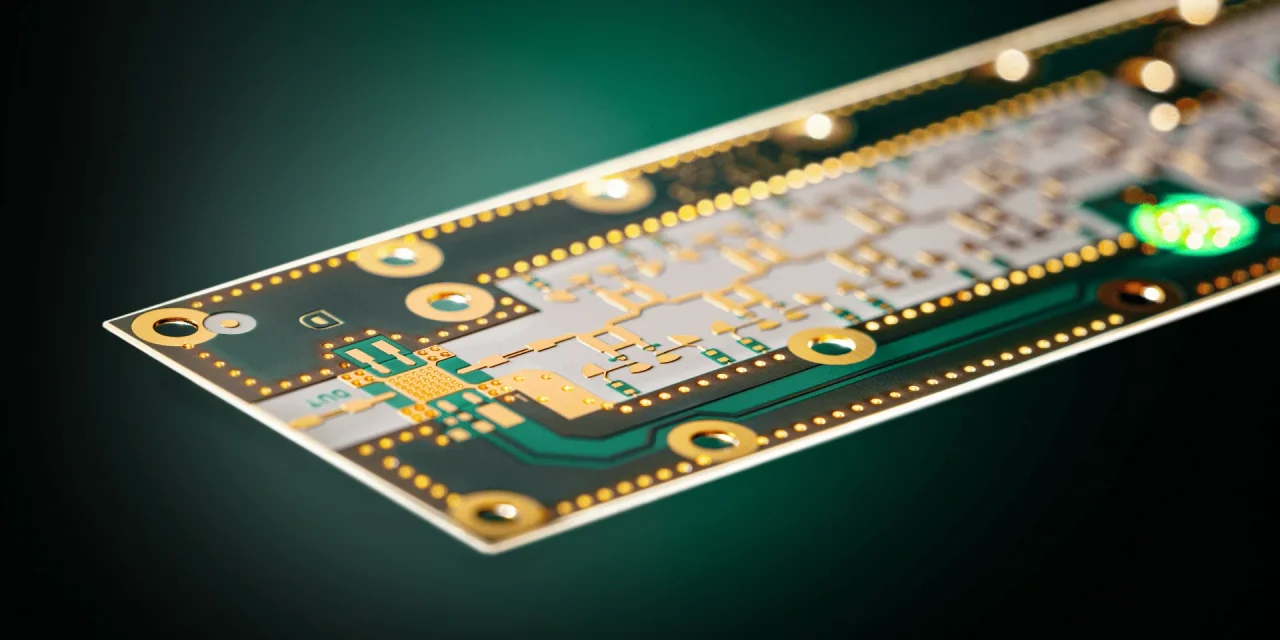
What Is an mmWave Module PCB? An mmWave Module PCB is a high frequency printed circuit board specifically designed for millimeter-wave applications (30–300 GHz), including: 5G communication modules Automotive radar systems High frequency IoT devices Satellite communication modules mmWave Module PCB ensures low signal loss, precise impedance control, and stable RF performance for high frequency...

High Frequency Sensor PCB – Low Loss PCB for RF and IoT Sensor Applications

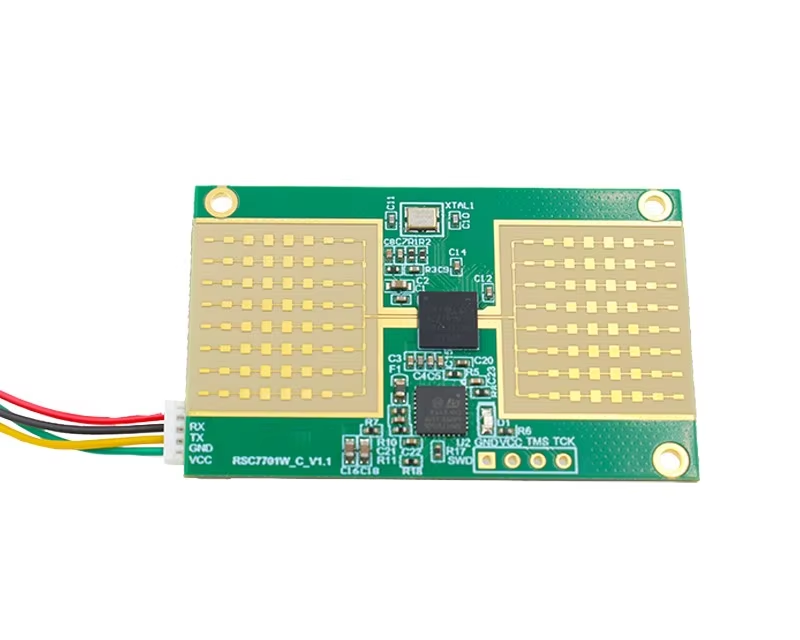
What Is a High Frequency Sensor PCB? A High Frequency Sensor PCB is a specialized printed circuit board designed for RF, microwave, and IoT sensor modules. These PCBs enable accurate data acquisition and signal processing for applications such as: Radar sensors Ultrasonic sensors LiDAR modules High speed IoT devices Wearable sensor systems High Frequency Sensor...

High Frequency Sensor PCB: Precision PCBs for RF and High-Speed Sensor Applications

What Is a High Frequency Sensor PCB? A High Frequency Sensor PCB is a precision printed circuit board used in sensor systems that operate at RF or high-frequency ranges, such as radar sensors, mmWave sensors, imaging sensors, and industrial sensing modules. These PCBs must support accurate signal transmission, low noise, and high measurement stability. High...

High Frequency Sensor PCB: Precision PCBs for RF and High-Speed Sensor Applications

What Is a High Frequency Sensor PCB? A High Frequency Sensor PCB is a specialized printed circuit board engineered for high-frequency signal processing in sensors, such as radar, LiDAR, mmWave, and RF sensing modules. These PCBs are designed to maintain signal integrity, minimize insertion loss, and provide accurate impedance control, which are critical for precise...

Boost High-Q Resonance and Ultra-Stable Impedance Control with High-Frequency Sensor PCB Structures for Aerospace Navigation Sensors

Aerospace navigation sensors operate in a realm where the margin for error is essentially zero. Whether guiding autonomous aircraft, stabilizing flight control modules, or supporting satellite-assisted positioning, these sensors rely on high-frequency PCB platforms engineered for absolute electrical stability. Achieving high-Q resonance and ultra-consistent impedance is not just a design preference—it is the foundation of...

Enhance Signal Accuracy and Low-Noise Stability with High Frequency Sensor PCB Platforms for Industrial IoT Detection Systems

Industrial IoT detection systems rely on a dense network of sensors for accurate monitoring of environmental parameters, machinery status, and process analytics. High frequency sensor PCBs must maintain low insertion loss, high signal-to-noise ratio, and phase-stable routing across multiple sensor channels to ensure reliable data acquisition. High frequency sensor PCB laminates (Dk = 3.2 ±...

Optimize RF Transmission and Phase Consistency Using High-Frequency Sensor PCB Laminates in Automotive ADAS Sensing Modules

Next-generation automotive ADAS sensing modules, including 77–81 GHz radar, LiDAR, and mmWave sensor arrays, require PCBs with ultra-stable dielectric properties, low insertion loss, and phase-coherent RF routing. Performance depends on maintaining consistent Dk/Df, low-loss mmWave signal propagation, and minimal EMI, even under harsh thermal cycling, vibration, and humidity conditions in vehicles.   High-frequency sensor PCB...

Reduce Electromagnetic Drift and Improve Wideband Sensitivity Through High Frequency Sensor PCB Engineering for Medical Diagnostic Sensors

Medical diagnostic sensors have shifted toward high-frequency, microwave-based detection architectures to improve resolution, penetration depth, and signal precision. High Frequency Sensor PCB platforms now form the RF backbone of sensing modules used in MRI coils, millimeter-wave tissue scanners, microwave breast-imaging units, vital-sign monitoring radars, and non-contact biomedical sensors. These RF sensor PCB systems require extremely...