Fine Line PCB - KKPCB
 
HomeTag

Fine Line PCB - KKPCB

HDI PCB: High-Density Interconnect Technology for Advanced Electronics & Miniaturized Designs

What is an HDI PCB? An HDI PCB (High-Density Interconnect PCB) is an advanced printed circuit board designed with higher wiring density per unit area, using technologies such as microvias, fine lines, and sequential lamination. Compared to conventional PCBs, an HDI PCB enables more compact layouts, improved electrical performance, and higher signal density, making it...
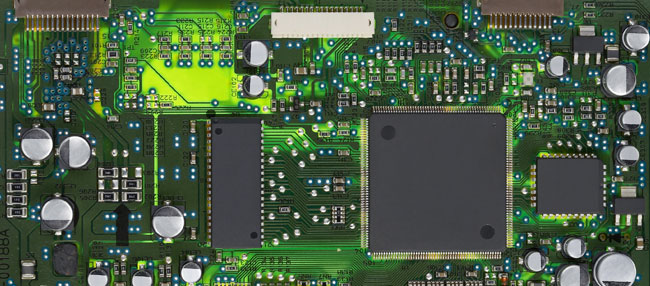
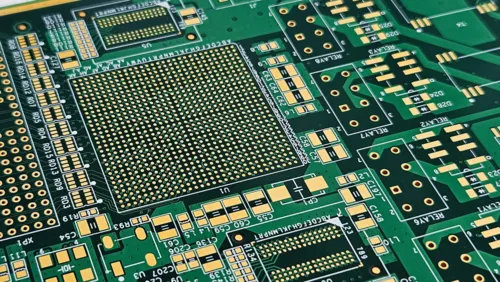
Fine Line PCB: Advanced Manufacturing for High-Density & Miniaturized Circuit Designs

What is a Fine Line PCB? A Fine Line PCB refers to a printed circuit board with extremely narrow trace width and spacing, typically below 100 μm (4 mil) and often reaching 50 μm (2 mil) or less in advanced designs. These PCBs are essential for high-density interconnect (HDI) and miniaturized electronic products, where space...

BT Epoxy PCB: High-Performance Substrates for IC Packaging and High-Speed Design

What Is a BT Epoxy PCB? A BT Epoxy PCB is a high-performance PCB built using BT epoxy resin (Bismaleimide-Triazine), a material widely used in IC substrate and semiconductor packaging applications. Compared to standard FR-4, a BT Epoxy PCB offers: Higher glass transition temperature (Tg) Lower dielectric loss Better dimensional stability Improved reliability under thermal...

Fine Line PCBs: Pushing the Limits of Precision and Density in Modern Electronics

What Is a Fine Line PCB? A Fine Line PCB refers to a board manufactured with extremely narrow trace width and spacing, typically: ≤100 µm (4 mil) → standard fine line ≤75 µm (3 mil) → advanced ≤50 µm (2 mil) or below → ultra-fine line These geometries go beyond conventional PCB fabrication limits and...

Fine Line PCBs: Precision Design for High-Density and High-Speed Electronics

A Fine Line PCB is a printed circuit board that features extremely narrow traces and spacing, typically in the range of 2–4 mils (50–100 μm), allowing engineers to fit more functionality into a smaller board area. Fine line technology is critical for high-density, high-speed digital, RF, and precision analog circuits, where both space optimization and...

Fine Line PCBs: Precision Manufacturing for Ultra-High-Density Electronics

What is a Fine Line PCB? A Fine Line PCB is a printed circuit board designed with extremely narrow trace widths and spacing, typically below 100 microns. These PCBs are essential for high-density electronic designs where space is limited and performance requirements are demanding. Fine line technology is widely used in applications that require compact...

Fine Line PCB: High-Density Circuit Design for Advanced Electronics

Fine Line PCB: High-Density Circuit Design for Advanced Electronics As electronic devices continue to become smaller, faster, and more integrated, traditional PCB manufacturing technologies are often insufficient to meet the demands of modern circuit density. Fine Line PCB technology enables the creation of extremely narrow traces and spaces, allowing engineers to design highly compact and...

HDI PCB: Design, Microvia Technology, and High-Density Applications

High Density Interconnect (HDI) PCB technology is designed to support modern electronic devices that demand higher performance, smaller form factors, and greater circuit complexity. HDI PCBs use advanced manufacturing techniques such as microvias, blind vias, buried vias, and fine line routing to increase the wiring density compared to traditional multilayer PCBs. As electronic products continue...

Fine Line PCB – Precision Micro-Trace Technology for High-Density Circuit Design

What Is a Fine Line PCB? A Fine Line PCB refers to a printed circuit board manufactured with extremely narrow trace widths and spacing. Compared with standard PCB designs, fine line technology enables higher routing density within limited board space. Fine line PCBs are essential for modern electronic devices where compact size, high functionality, and...

High Density PCB Design – Engineering Solutions for Complex and Compact Electronic Systems

Engineering Challenges Behind High Density PCB As electronic systems become more compact and functionally integrated, PCB designers are facing increasing layout complexity. A High Density PCB is not simply about placing more components on a board — it requires precise coordination between electrical design, stack-up engineering, manufacturability, and long-term reliability. High density PCB development focuses...