HomeTag

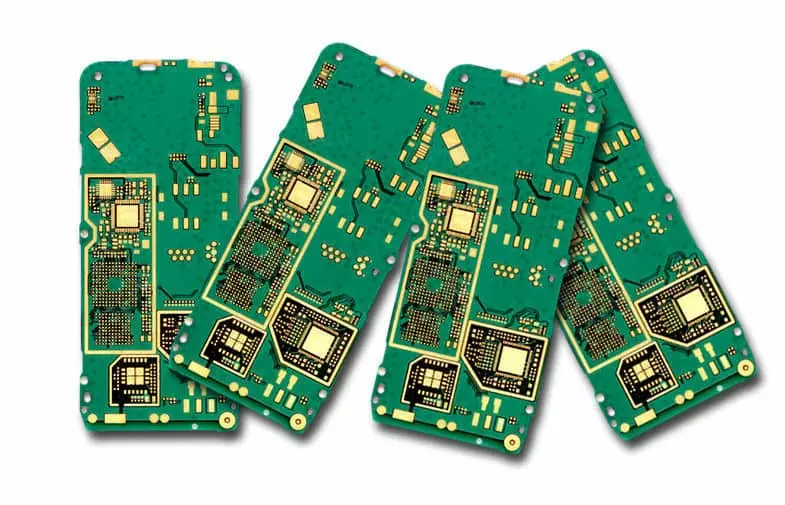
FR4 PCB - KKPCB

PCB Thermal Conductivity Comparison: FR4 vs Ceramic vs Metal Core vs Rogers Materials

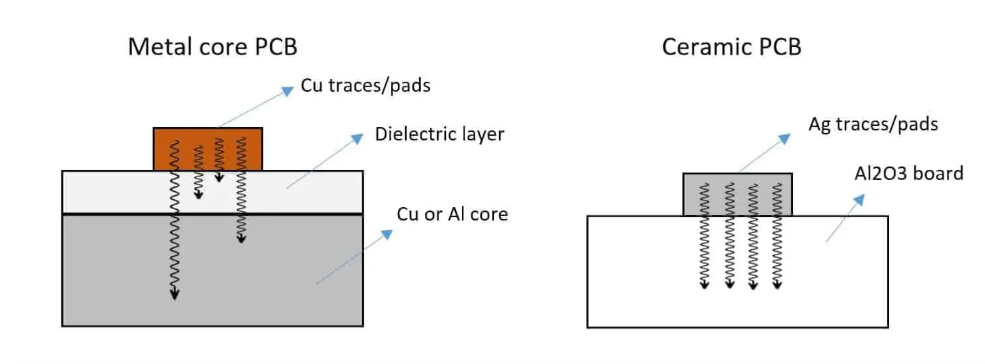
Why PCB Thermal Conductivity Matters As power density and operating frequencies continue to increase, thermal management has become a critical factor in PCB design. Excessive heat can lead to signal degradation, reduced component lifespan, and even system failure. This article from KKPCB provides a technical comparison of PCB thermal conductivity across four commonly used substrate...
Single Layer PCBs: A Complete Technical Guide to Structure, Design Rules, Manufacturing Processes, and Applications

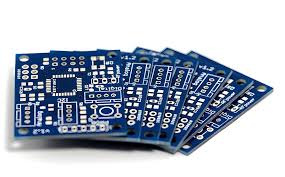
Why Single Layer PCBs Still Matter Although modern electronics are increasingly dominated by multilayer PCBs, HDI structures, and high-frequency RF boards, single layer PCBs (Single-Sided PCBs) remain widely used due to their low cost, simple design, and high manufacturability. Single layer PCBs are still essential in: Cost-sensitive electronic products Simple analog circuits Power control modules...

PCB Substrate and Core Materials: A Comprehensive Guide

The substrate and core materials are fundamental components of a printed circuit board (PCB), directly influencing its: Electrical performance Mechanical strength Thermal reliability Manufacturing capability Long-term stability As electronic products continue developing toward higher speed, higher power density, miniaturization, and increased reliability, PCB material selection has become increasingly important. Different applications require different substrate characteristics,...

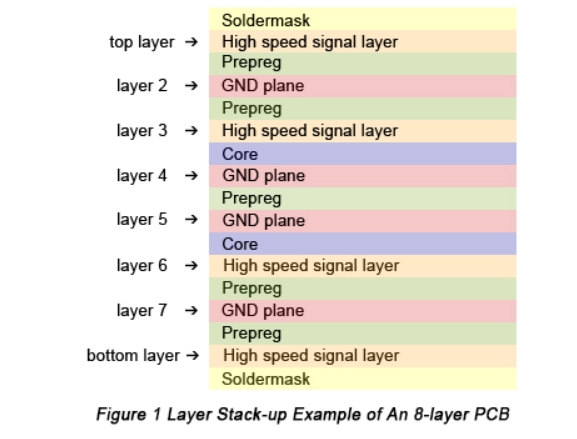
What is Stack-up?

In PCB design and manufacturing, stack-up is one of the most important elements that determines the electrical performance, mechanical reliability, and manufacturability of a printed circuit board. As electronic products continue to develop toward: Higher transmission speeds Smaller form factors Greater circuit density More complex power requirements PCB layer arrangement has become increasingly critical. A...

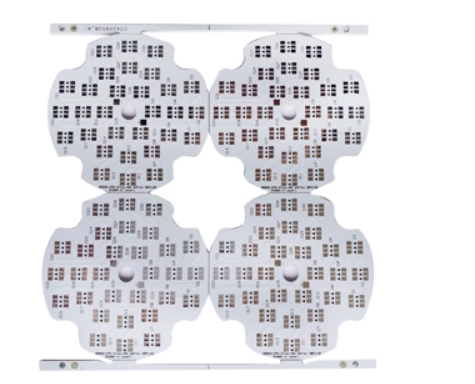
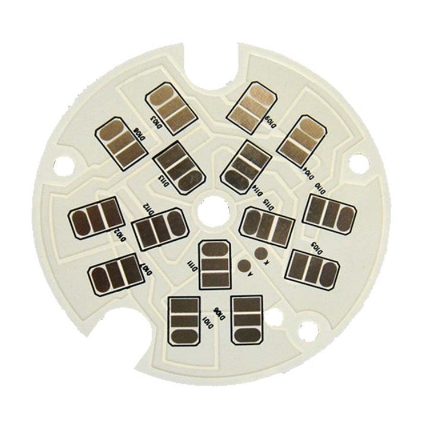
Aluminum PCB vs. FR4 PCB: Cost, Materials, and Difference

Selecting the right PCB substrate material is one of the most important decisions in electronic product development. The PCB material directly affects: Thermal performance Electrical characteristics Mechanical strength Manufacturing cost Product reliability Among various PCB substrate options, aluminum PCBs and FR4 PCBs are two of the most widely used solutions. While both are common in...

Materials for High Temperature PCBs

High temperature PCB design is a critical aspect of modern electronics, especially in applications involving high power, harsh environments, or continuous operation. PCBs operating at high power often generate significant heat and may experience repeated thermal cycling, making material selection essential for long-term reliability and performance. While active cooling methods such as fans or heat...