PCB Manufacturing Services | High-Quality PCB & PCBA - KKPCB
 
HomeCategory

PCB Manufacturing Services | High-Quality PCB & PCBA - KKPCB

How to Design RF PCB and Material Selection?

RF printed circuit boards are a highly complex but rapidly growing segment of the PCB manufacturing industry. In the PCB industry, boards that operate at frequencies above 100MHz are classified as RF PCBs. However, this standard stops at 2GHz. In addition, any board that operates at frequencies above 2GHz is called a microwave board. RF PCBs...

How to Reduce Rigid-Flex PCB Cost?

Rigid-flex PCB boards are one of the most widely used printed circuit boards for industrial applications. Their versatility is one of the main reasons for their popularity. They are made of a mix of rigid board and flex circuits, which means that the manufacturing method is similar to that of rigid board, but the circuit has a flexible...

FR-4 and FR-4 CCL (copper clad laminate)

What is FR-4 material? FR-4 is not a material, but a material grade, which represents a material code of a fire resistance grade. It means that the resin material must be able to extinguish itself after burning. There are a few FR-4 materials used on PCB circuit boards, but most of them are composite materials synthesized...

Effective Strategies for PCB Panelization

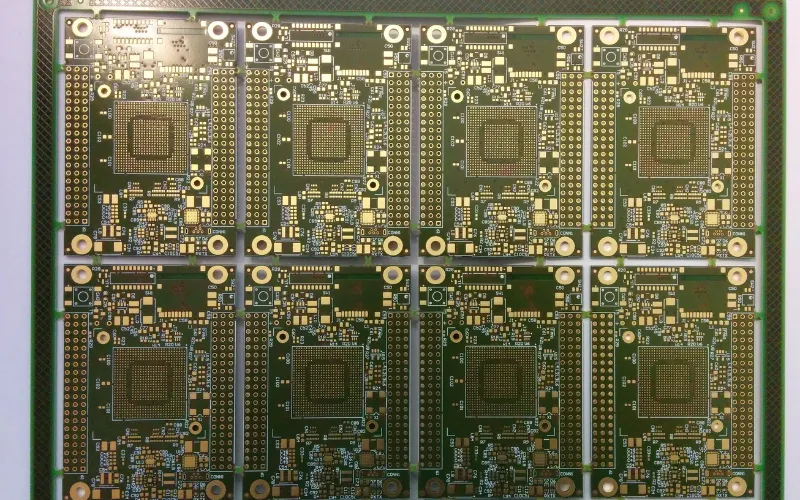
Handling small circuit boards during automated assembly can lead to defects and inefficiencies. To overcome this challenge, PCB panelization—the process of creating PCB panels from smaller boards—plays a vital role. This technique not only ensures improved handling during assembly but also reduces costs and minimizes defects. Here’s a comprehensive guide to panelizing PCBs, including methods, techniques,...

8 Best Tips and Key Considerations for Designing High-Voltage PCBs

Designing a high-voltage PCBs requires careful planning, adherence to specific guidelines, and a keen eye for safety. Whether you’re working on industrial equipment, power electronics, or consumer devices, the following tips and considerations will ensure you create efficient and safe high-voltage PCB designs. 1. Routing Guidelines for High-Voltage PCBs Proper routing is crucial for high-voltage PCB...

How to Remove Flux from PCB?

Manufacturers use flux to solder components on PCBs. Depending on the PCB components, flux also varies and is used to fix them on the board. It ensures uninterrupted and strong electrical connections between devices. However, it is crucial to remove excess flux so as not to blur signal traces or damage connections. In this article,...

What are the advantages of multi-layer printed circuit board assembly?

One of the most important things in the electronics industry is the PCB. They are used in many industries such as aerospace, consumer electronics, automotive, etc. However, many times, businesses cannot decide whether they should choose single-layer or multi-layer printed circuit board assembly. Both types of PCB assembly services offer unique features to businesses. Therefore, it is crucial...

Optimizing Thermostat PCB Design: Ensuring Efficient and Reliable Temperature Control Performance

Thermostats are an essential part of our daily lives and industrial systems, regulating temperature to maintain stable conditions in both equipment and environments. However, to ensure thermostats operate reliably under various conditions, the core technology behind them—PCB (Printed Circuit Board) design—must meet high standards. This article explores the key factors to consider when designing a...