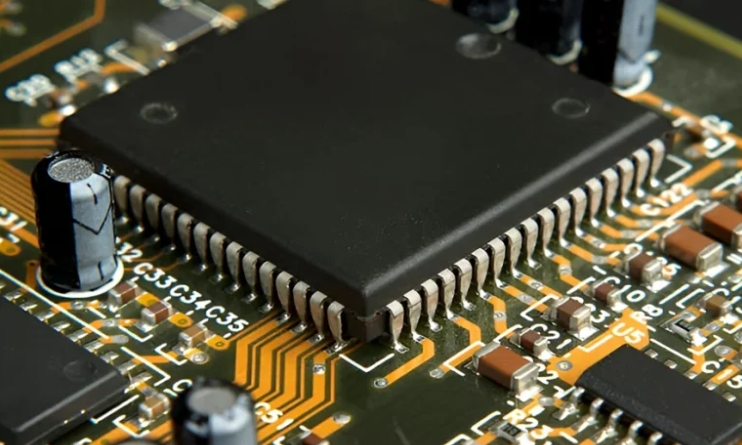
PCB Assembly (PCBA) Services | Turnkey Solutions - KKPCB
 
HomeCategory

PCB Assembly (PCBA) Services | Turnkey Solutions - KKPCB

What is a High Frequency PCB?

High-frequency PCBs are specialized circuit boards designed to transmit signals over a gigahertz (GHz) frequency range, ensuring quick and reliable communication in devices ranging from military radar systems to smartphones. These boards maintain signal integrity even at high frequencies, which is crucial for the functionality and efficiency of modern electronic devices. Stick around, and let’s explore...

PCB Warpage: Causes, Prevention & Solutions Explained

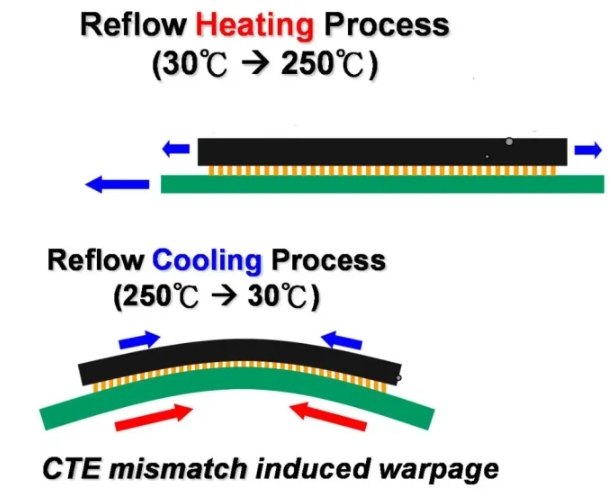
When designing and manufacturing Printed Circuit Boards (PCBs), one common yet often overlooked issue is warpage. Warping occurs when the PCB bends or twists, leading to alignment issues during assembly. This deformation can cause misalignment of components, poor solder joints, and even failure of the final product. In this article, we will explore what causes PCB warpage,...

What is the difference between immersion gold and gold plating in PCB?

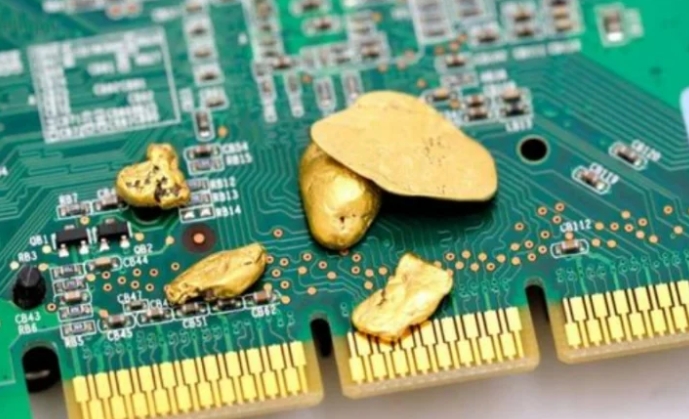
Surface finishes in PCBs are vital for ensuring solderability, electrical conductivity, and corrosion resistance. They help components bond securely to the board, ensure smooth signal flow, and protect the PCB from environmental damage. Without a proper surface finish, a PCB may not function correctly or could wear out faster. Immersion Gold (ENIG) and Gold Plating are two popular gold...

What is an IC PCB? Learn About IC Boards and Their Applications

Integrated Circuits (ICs) are small, compact electronic components that combine multiple elements—such as transistors, capacitors, and resistors—onto a single microchip. These ICs are essential for processing data and controlling signals in countless devices, powering everything from smartphones to industrial machinery. IC PCBs (Printed Circuit Boards) enable the integration of ICs into electronic devices, making them smaller, faster,...

PCB vs. IC: Key Differences and Their Roles in Electronics

In electronics, PCBs (Printed Circuit Boards) and ICs (Integrated Circuits) are two foundational components. While both are indispensable, they serve very different purposes. Understanding their roles is essential for anyone interested in electronics design or manufacturing. PCB: Acts as the backbone of electronic devices, connecting and supporting all components. IC: A compact chip designed for specific tasks, such as...

Comprehensive Guide to Conformal Coatings for PCBs

Conformal coatings play a critical role in ensuring the longevity and reliability of printed circuit boards (PCBs). Whether designing electronics for consumer devices, automotive systems, or military applications, selecting the right conformal coating is essential. In this guide, we’ll cover everything about conformal coatings, from types and benefits to best practices for application. What is Conformal Coating?...

PCB Board Layout Design:20 Key Points Considerations

What is the standard of a good PCB board? Reasonable layout, sufficient power redundancy of power line, high-frequency impedance and simple low-frequency wiring. What kind of PCB design layout can reach the best heat dissipation There are three main sources of heat in PCB: heat from electronic components; heat from PCB itself; Heat from other parts. Among the three heat sources, the...

Optimized Guide: What is SMT Assembly?

Introduction to SMT Assembly As electronics become more compact and complex, Surface Mount Technology (SMT) has emerged as the standard method for assembling PCBs. Since its rise to prominence in the 1980s, SMT has revolutionized manufacturing and is now integral to modern electronics, from smartphones to automotive systems. What is SMT Assembly? SMT is a process of constructing...

Optimized Overview: SMT and THT Assembly Processes

When assembling a printed circuit board (PCB), components are mounted onto the board through one of two primary methods: Surface Mount Technology (SMT) or Through-Hole Technology (THT). Each method has distinct advantages and is suited to different applications depending on the project requirements. This guide explores the SMT and THT assembly processes, their differences, and how to choose the right...