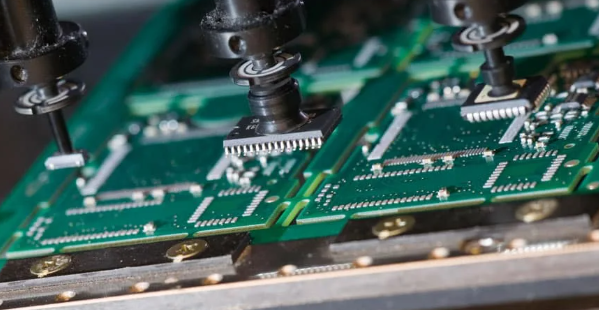
PCB Assembly (PCBA) Services | Turnkey Solutions - KKPCB
 
HomeCategory

PCB Assembly (PCBA) Services | Turnkey Solutions - KKPCB

SMT PCB Assembly Process – 8 Basic Steps

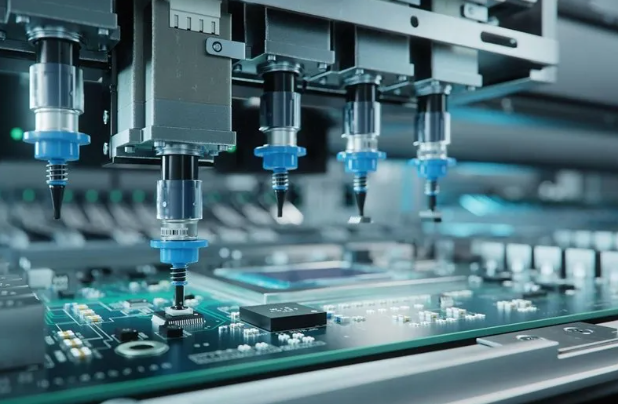
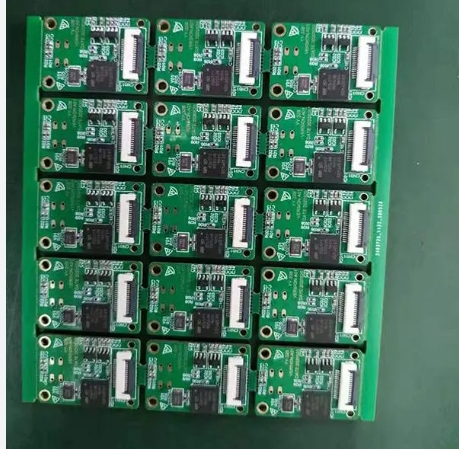
With the rapid development of today’s electronics industry, electronic products are becoming smaller, lighter, and more complex. To meet this demand, engineers have adopted Surface Mount Technology (SMT) — an advanced PCB assembly method that allows components to be mounted directly onto the surface of the printed circuit board. If you’ve ever looked at the...

PCB Design Best Practices: Key Considerations for Optimized Performance

When designing printed circuit boards (PCBs), a well-structured approach and attention to detail are essential to ensure functionality and avoid potential design errors. Here are some key PCB design tips based on practical experience: 1. Pay Attention to Pin Definitions and Package Names in the Schematic Library When creating the schematic library, ensure that each schematic pin corresponds correctly...

PCB Layout Best Practices: Essential Design Considerations for Reliable Electronic Products

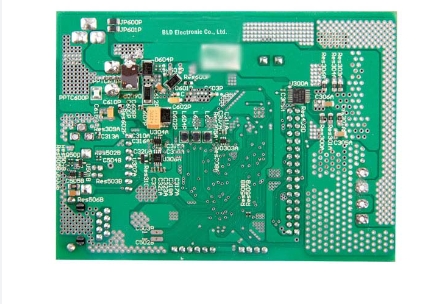
PCB design translates electrical schematics into a functional product, and its quality directly impacts production efficiency and product reliability. For beginners, mastering PCB layout can be challenging despite familiarity with design software, and common issues often arise. Here, seasoned engineers from KKPCB share their PCB layout insights to help avoid these pitfalls and inspire best practices. Component Placement...

What are Thin and Thick Film Resistors?

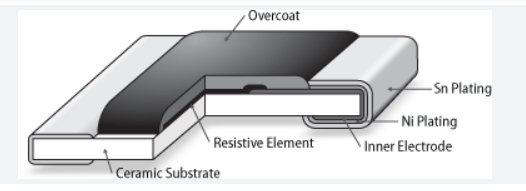
Thin and Thick Film Resistors are the most common types in the market. They are characterized by a resistive layer on a ceramic base. Although their appearance might be very similar, their properties and manufacturing process are very different. The naming originates form the different layer thicknesses. Thin film has a thickness in the order of 0.1μm...

Essential Elements of SMT Assembly

SMT, the short form of Surface Mount Technology, a type of PCB (Printed Circuit Board) assembly technology, refers to the technology of getting components directly soldered onto the surface of PCB to replace THT (Through-Hole Technology) that has to make use of drilling holes. This article will discuss the essential elements of SMT assembly so that readers are able...

What is Surface Mount Technology (SMT)?

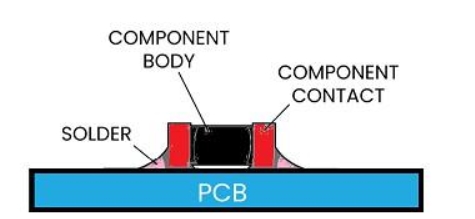
Surface mount technology is a method of assembling electronic components onto a printed circuit board (PCB). Unlike traditional through-hole technology, where the leads of the component are inserted through holes in the PCB, SMT involves mounting the component directly onto the surface of the PCB. SMT offers advantages such as smaller size, higher manufacturing efficiency, and...

Common Challenges and Solutions in SMT Board Assembly

Surface Mount Technology (SMT) board assembly is a critical and widely used process in modern PCB manufacturing. This process involves placing and soldering electronic components directly onto the surface of PCB pads. Alongside Plated Through-Hole (PTH) assembly, it is one of the two primary PCB assembly methods. SMT assembly is highly efficient and accurate, making it...

Difference Between SMT and PTH Assembly: Which is Right for You?

Printed circuit board (PCB) assembly is at the heart of electronic components and gadgets. Designers typically choose between two primary techniques for mounting components on PCBs: SMT (Surface Mount Technology) and PTH (Plated Through Hole). Each method has distinct advantages and disadvantages, making the selection dependent on specific project requirements. What is SMT (Surface Mount Technology)? Surface Mount Technology...