KKPCB Blog – PCB & PCBA Insights, News, and Tips - KKPCB
 

Blog

Explore the KKPCB Blog for the latest PCB manufacturing and assembly news, industry insights, expert tips, and technology trends, helping you stay informed and optimize your electronics projects.
PCB Substrate and Core Materials: A Comprehensive Guide

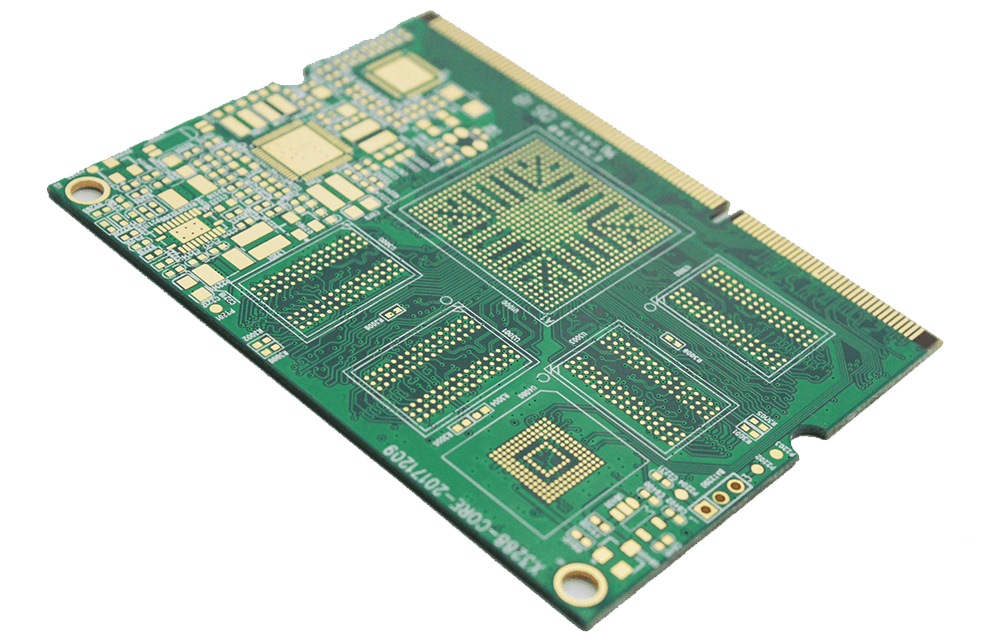
The Printed Circuit Board (PCB) is a fundamental component in all modern electronics, providing the platform for the electronic components and circuits. The performance, durability, and overall quality of a PCB are heavily influenced by the materials used for its substrate and core. This comprehensive guide explores the different types of PCB substrate and core materials, their properties, applications, and why they are...

PCB Substrate Materials: Understanding the Types of PCB Materials

PCB (Printed Circuit Board) substrate materials are the backbone of a PCB assembly, providing the necessary foundation for copper tracks and electronic components. The choice of PCB material plays a critical role in determining the performance, durability, and overall reliability of the PCB. These materials can be resin-based, fiberglass-based, epoxy-glass, metal-based, or flame-retardant, and they are...

PCB for SMT (Surface Mount Technology): Choosing the Right PCB for SMD Components

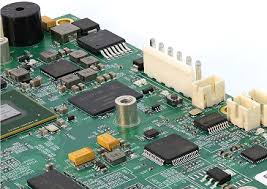
What is a PCB? A Printed Circuit Board (PCB) is a vital component in almost every electronic product. It serves as the foundation for connecting electronic components through conductive paths (traces), typically made of copper. The traces facilitate the flow of electrical current, enabling electronic devices to function. A PCB can be made of various materials, such...

Advantages and applications of single-sided PCB

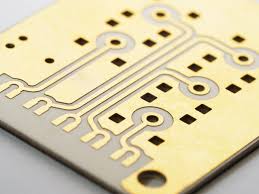
What is a Single-Sided PCB? A Single-Sided PCB (also known as a Single-Layer PCB or One-Layer PCB) is the simplest and most cost-effective type of printed circuit board. As the name suggests, it has a single conductive layer (usually copper) on one side of the substrate, with the electronic components mounted on the opposite side. Unlike double-sided PCBs, which feature conductive layers on both sides, single-sided...

Multilayer PCB Manufacturing Process, Advantages and Applications

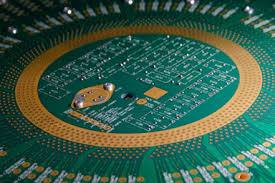
1. Introduction: Why Multilayer PCBs Are Essential in Modern Electronics As electronic devices continue to evolve toward miniaturization, high-speed performance, and multifunction integration, traditional single-layer or double-layer PCBs can no longer meet design requirements. This has led to the widespread adoption of multilayer PCBs (Multilayer Printed Circuit Boards), which integrate multiple conductive layers within a...

PCB Design and Fabrication for Millimeter-Wave Circuits (Part 1)

Key Points of Millimeter-Wave Applications—Phase Accuracy Affected by Multiple Variables From anti-collision radar systems used in autonomous vehicles to the fifth-generation (5G) high data rate New Radio (NR) networks, the application of millimeter-wave (mmWave) circuits is growing rapidly. Many applications are pushing the operating frequency bands to higher frequencies (such as >24GHz). However, for circuits with shorter...

Microvia Reliability in High-Density Designs

As high-density interconnect (HDI) designs with larger layer counts become more prevalent, the use of microvias is increasing. In builds with 3+N+3 or larger configurations, sequential lamination now often relies on skipped vias, staggered microvias, and stacked microvias. However, one of the key challenges is that microvias are more susceptible to failure than plated through-holes. The small...

Copper Current Density in PCB Design

Copper current density refers to the amount of continuous current flowing through a copper trace on a PCB. According to Joule or Ohmic heating principles (represented as VI or I²R), any conductive material generates heat, leading to a gradual temperature rise in both the conductor and its surroundings. Managing copper current density is critical to...

PCB Layout Planning – Packages and Routing

PCB layout planning is a critical phase in the design process, enabling engineers to save time and ensure a structured approach to package management, component placement, and routing. Proper planning ensures that the design meets electrical, spacing, and physical requirements before moving to the actual layout stage. This article explores key aspects of PCB layout planning, focusing on footprint management, routing strategies,...

PCB Design For Military & Aerospace Applications

Military and aerospace PCBs must adhere to intensely high standards to ensure their safety and functionality in the extreme conditions they’re used in. For this reason, PCB design for military and aerospace applications requires incredibly stringent guidelines with built in redundancy, extra safety, and stringent tolerances, minimizing risk of failure. General PCB Design Tips for Military and Aerospace Applications...