kkpcba-Cindy - KKPCB - Page 41 of 75
 
HomeAuthor

kkpcba-Cindy - KKPCB - Page 41 of 75

Common PCB Tolerances for Manufacturing

PCB tolerances for manufacturing refer to the allowable variations from specified dimensions, encompassing: material thickness, copper thickness, drilling, plating, and solder masks. These PCB tolerances ensure that PCB circuit boards are produced precisely and can function as intended. Manufacturers adhere to specific in-house tolerance guidelines, based on international standards like IPC-A-600 Class 2, to maintain quality throughout the...

Rigid-Flex PCB Design: Revolutionizing Modern Electronics

Combining the flexibility of flex circuits with the robustness of rigid boards, while leveraging High-Density Interconnect (HDI) technology, represents a significant breakthrough in modern electronics. Traditional methods like board-to-board stacking connectors or standard flex circuits often present challenges, such as cumbersome assembly and potential damage during connection. Rigid-flex PCBs offer a seamless solution, eliminating these bottlenecks and...

Routing Traces in PCBs: Best Practices

PCB routing involves laying out traces to minimize interference, ensure signal integrity, and meet design requirements such as impedance control and thermal management. Traces carry electrical signals between components such as integrated circuits, resistors, and capacitors. PCB traces are usually made of copper. They are created by applying a layer of photosensitive material onto a copper-clad board, exposing...

Flexible PCBs: Ductility in Circuitry

It wasn’t long ago that rigid circuit boards were the only possible electronic system method available. Whether it was entertainment or industrious, the shape of most devices was an extension of an intractable rigid board. More recently, the tide has turned: as technology has developed and matured, the enclosure is shaping the electronics inside them. Despite additional...

PCB Resistors and Board Design

PCB resistors are designed to be mounted and soldered to printed circuit boards; they control current flow and divide voltages, among other things.  PCB resistors come in many shapes and sizes, but they’re all designed to fit easily into board layouts. They have two terminals that can be soldered to the conductive traces on the PCB so they...

Should You Use Plated or Unplated PCB Mounting Holes?

When designing a PCB, one of the critical decisions you’ll face is whether to use plated or unplated mounting holes. These holes are essential for securing the PCB to an enclosure or package, but the choice between plated and unplated holes depends on your design requirements, grounding needs, and mechanical considerations. Let’s explore the differences, advantages, and best...

KKPCB Case Study: High-Performance Communication Backplane PCB Solution

1. Customer Background The customer is a globally leading manufacturer of communication equipment, specializing in the development and production of large-scale routers, switches, servers, and high-speed networking devices. As modern network communications demand increasingly high signal integrity, reliability, and thermal stability, the customer required an 36-layer PCB with low-loss material (S1000-2M) and advanced immersion gold plating to ensure stable signal transmission...

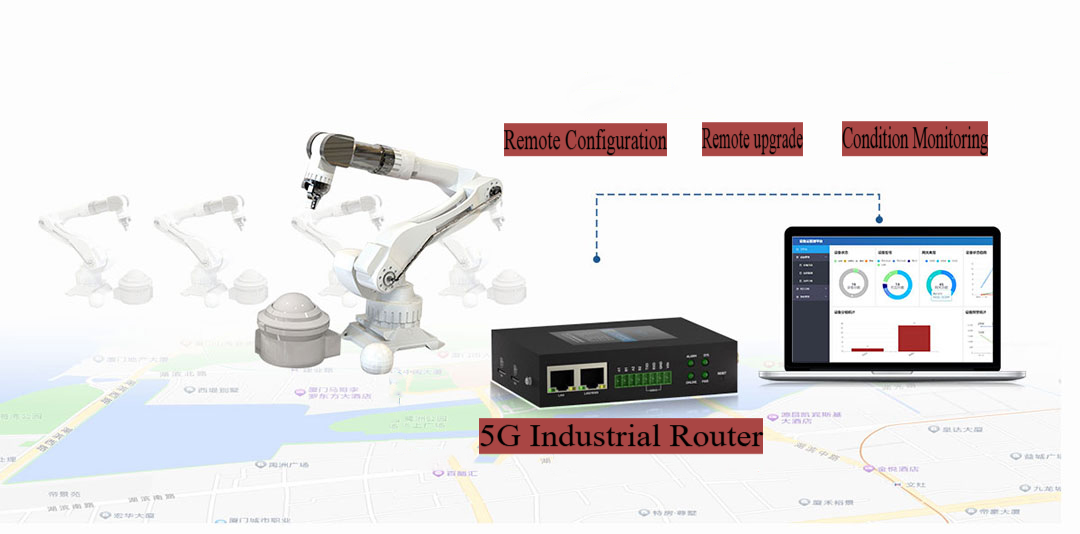
KKPCB Success Case:Industrial Network Router PCBA Solution

1. Background Overview A European customer in the industrial automation sector required a high-performance and reliable industrial network router for device-to-device communication in their automated systems. The router needed to support high-speed data transfer, strong anti-interference capabilities, remote control functionality, and stable operation in harsh environments. The customer was looking for a supplier with expertise...

Key Points in Automotive Radar Design from an RF Technology Perspective

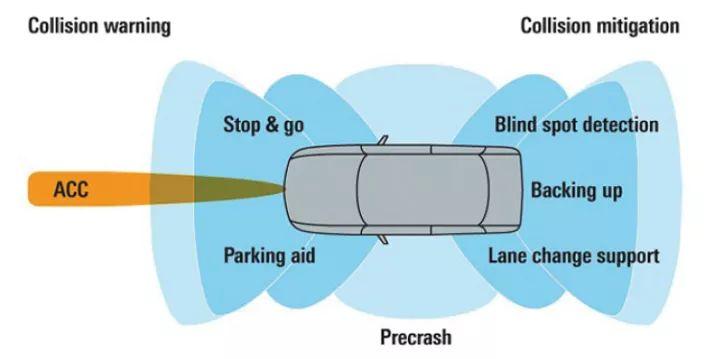
Automotive radar technology is on the rise. Whether it is for current blind spot detection systems or for developing autonomous driving control, high performance, high reliability, compact size, and low cost are indispensable factors and motivations for the continuous development and improvement of core automotive radar technologies. Automotive radar is an essential component of driver...

As complexity and density increase, the long-term reliability of RF/microwave circuit components becomes more challenging to characterize. Printed Circuit Boards (PCBs) comprise numerous active and passive components, whose performance can vary over time and with operating environment temperatures. Additionally, PCB substrate materials, such as dielectrics, copper foil conductors, solder mask inks, and final finishes, may change over time, influenced...