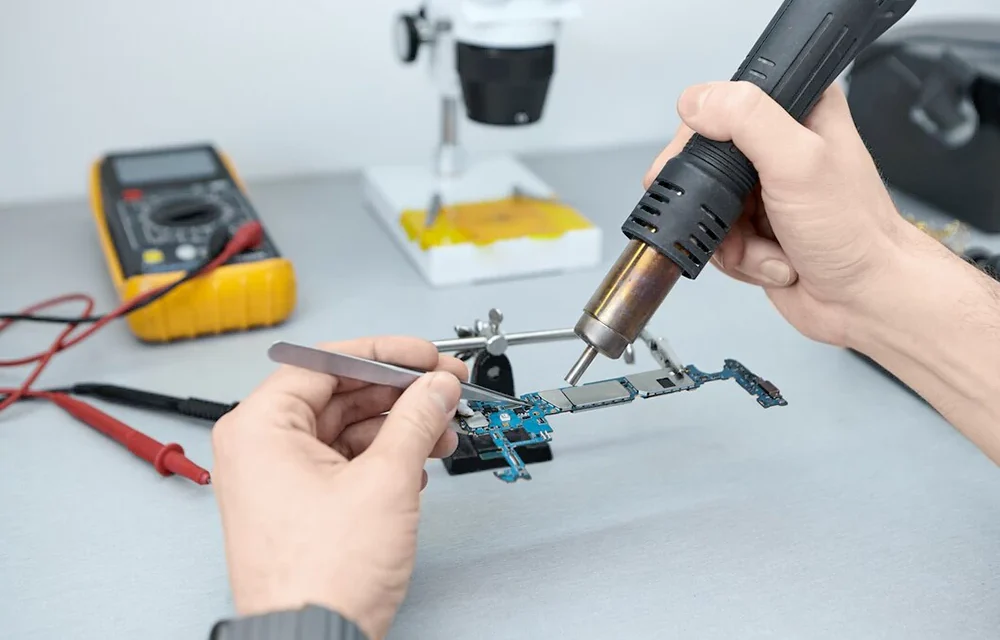
Learn the differences between flux and solder paste in PCB soldering. Understand their composition, functions, and applications for hand soldering, wave soldering, and SMT assembly. Ensure high-quality, reliable solder joints with KKPCB expertise.

Learn the differences between flux and solder paste in PCB soldering. Understand their composition, functions, and applications for hand soldering, wave soldering, and SMT assembly. Ensure high-quality, reliable solder joints with KKPCB expertise.
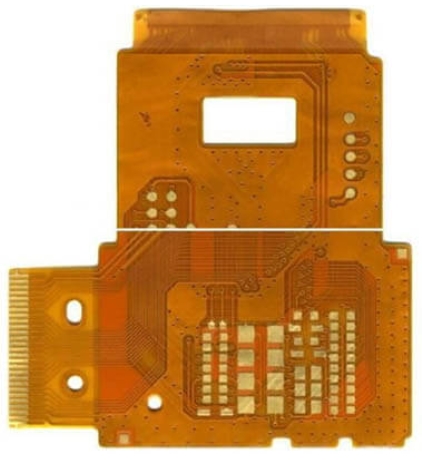
Flexible printed circuit boards (FPCBs) are essential components in modern electronic devices, offering versatility, lightweight design, and the ability to adapt to a variety of shapes. The manufacturing process of flexible PCBs involves several key steps, each of which is critical to ensuring the quality and performance of the final product. This article outlines the main...
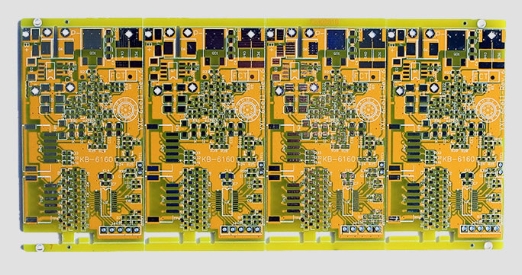
Electronic devices cannot function without PCBs, making them indispensable in the technology sector. To choose the most suitable PCB, it is crucial to understand the differences between single-sided and double-sided PCB assemblies. This guide explores both types, their processes, and their applications to help you make an informed choice. What is a Single-Sided PCB? Single-sided PCBs have conductive...
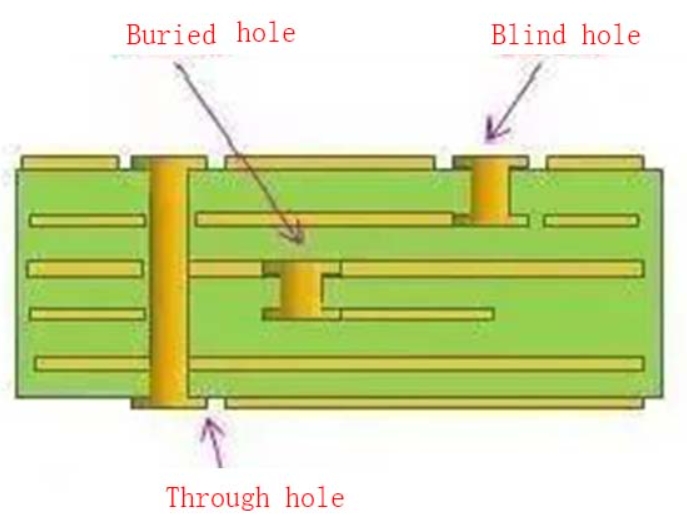
Vias are essential in multi-layer PCBs, enabling interconnections between different layers. However, their impact on signal integrity and manufacturing costs cannot be overlooked. Drilling costs often account for 30-40% of total PCB production expenses. This guide explains via types, their effects on high-frequency signals, and best practices to minimize negative impacts. What is a Via? A...
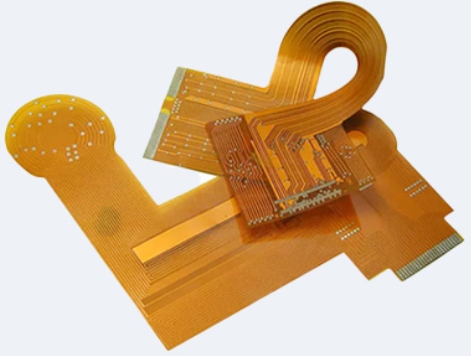
Flexible Printed Circuit Boards (PCBs) play a crucial role in modern electronic devices, catering to diverse application requirements with varied specifications. From double-layer computer flexible PCB boards to those designed for consumer electronics and single-layer medical applications, each possesses unique designs and applications.But if you have higher requirements, you wonder if they can be made into 4-layer boards? Can...
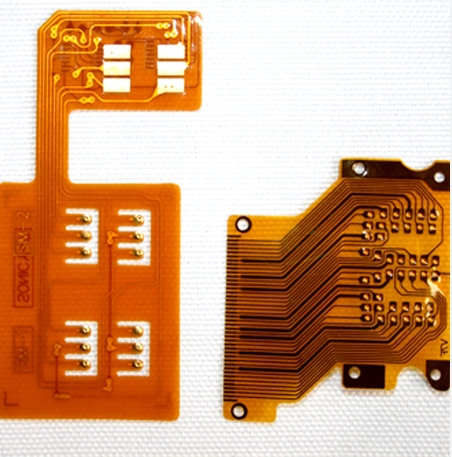
What is a flexible PCB? Flexible PCB is a unique type of printed circuit board that replaces the rigid FR4/metal/PTFE/ceramic substrate with a thin, bendable polyimide (PI) substrate and replaces the solder mask with a PI coverlay. Plated through holes or buried vias insulate and protect the conductive copper traces that connect the various flexible PCB...
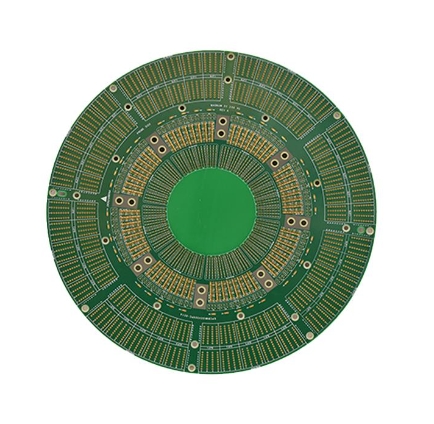
Printed Circuit Board (PCB) is also known as Printed Wiring Board (PWB). It is used as the basis of circuit design in electronics and electrical engineering. It acts as a foundation, eliminating the need for redundant wiring and making any circuit cleaner. Removing excess wires makes the circuit more manageable and reduces weight. It is engraved...
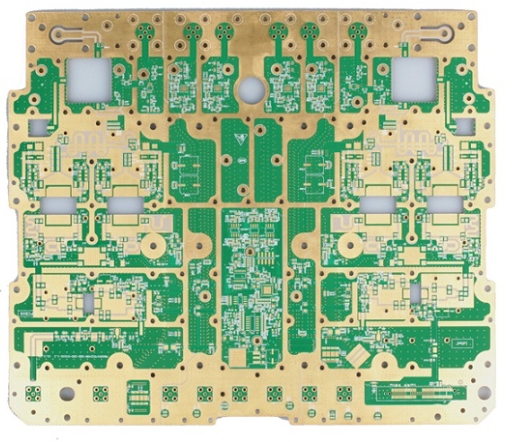
PCB is the foundation used by electronics and electrical engineers in circuit design. It acts as a medium to connect components. Using PCB can eliminate the need for wires, make the circuit look less complicated, and make modifications easier. In layman’s terms, we can describe PCB as a laminate sandwich with additional components. It is...
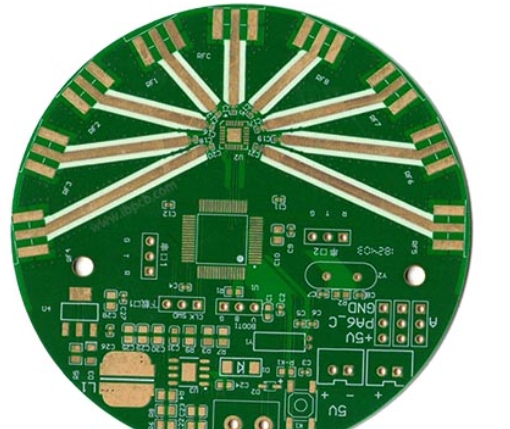
Have you ever wondered what a PCB is? A printed circuit board (PCB) is an electronic component used to connect various electrical devices. Copper conductors make electrical connections between components on a printed circuit board (PCB) (electronic assembly). The printed circuit board provides mechanical support for the electronic components, leaving space for the device in the housing....
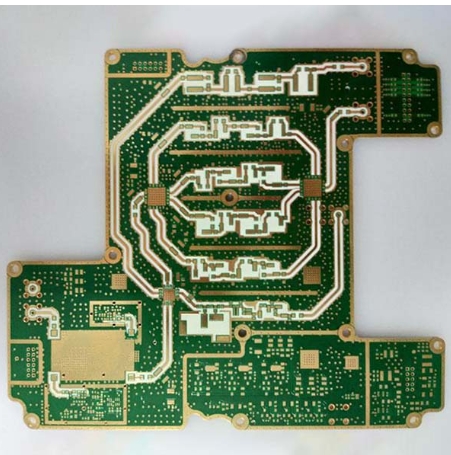
RF printed circuit boards are a highly complex but rapidly growing segment of the PCB manufacturing industry. In the PCB industry, boards that operate at frequencies above 100MHz are classified as RF PCBs. However, this standard stops at 2GHz. In addition, any board that operates at frequencies above 2GHz is called a microwave board. RF PCBs...
KKPCB is a leading electronic solutions provider specializing in PCB design, fabrication, assembly, and testing for Flex, Rigid-Flex, RF/Microwave, HDI, rigid multilayer, and ATE test boards. We offer comprehensive end-to-end services, including prototyping, component sourcing, SMT/THT assembly, functional testing, enclosure assembly, and final product packaging. With our one-stop, in-house capabilities, KKPCB delivers OEM and ODM solutions with fast turnaround, high quality, and cost-effective results, serving clients worldwide.

PCB Manufacturing
PCB Assembly
Technical Support