PTFE PCB - KKPCB
 
HomeTag

PTFE PCB - KKPCB

Microwave Module PCB Engineering: High-Frequency Precision & RF Performance by KKPCB

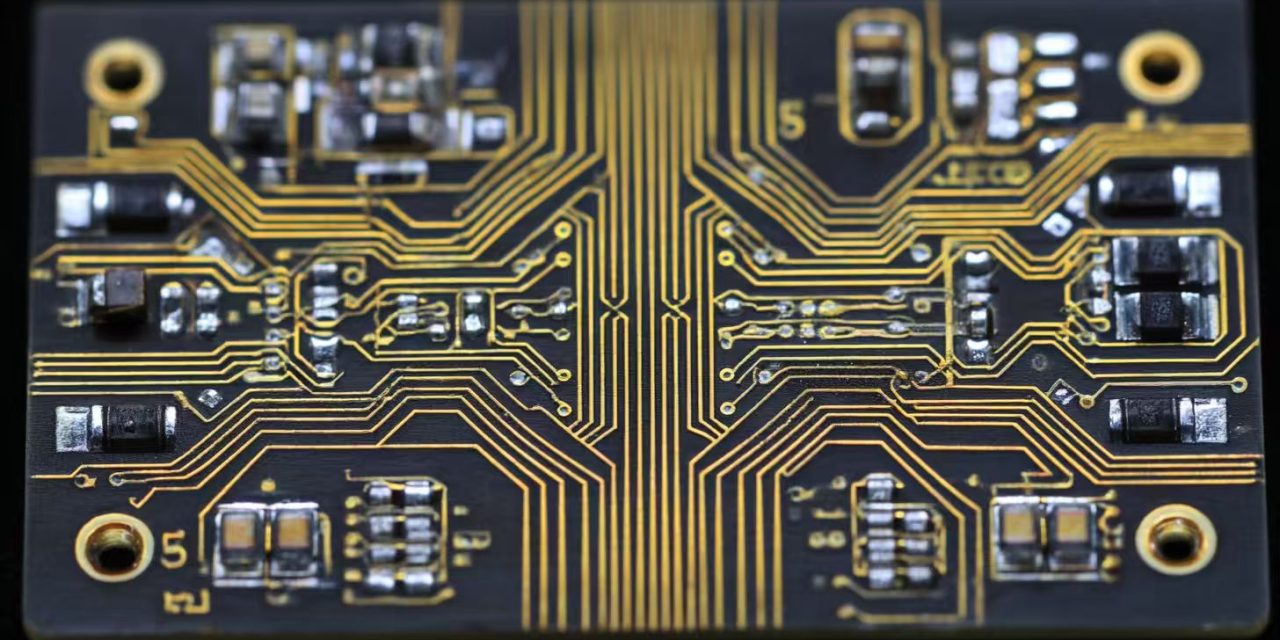
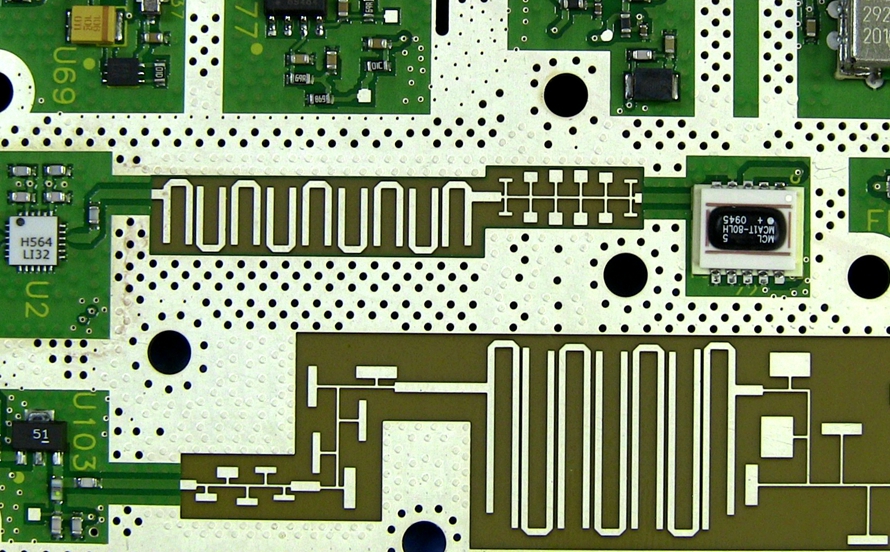
Microwave Module PCB: Precision Engineering for High-Frequency Excellence at KKPCB As wireless systems enter the microwave and millimeter-wave domain—from 2 GHz radar to 30 GHz satellite links and even 77 GHz ADAS—the role of the Microwave Module PCB becomes mission-critical. These PCBs are no longer just interconnect structures; they function as precision RF substrates, thermal...

Hybrid Stackup and Miniaturized RF Design with PTFE PCBs in Next-Generation 5G Base Stations

1. Engineering Overview   Next-generation 5G base stations require high-density, miniaturized RF front-end modules with low insertion loss, precise impedance, and stable phase performance across mmWave bands (28–39 GHz).   PTFE PCB laminates, with Dk = 2.15 ± 0.02 and Df = 0.0009 @10GHz, provide superior dielectric consistency and thermal stability for tightly packed MIMO...

Dielectric Uniformity and Manufacturing Precision of PTFE PCBs for Aerospace Communication Equipment

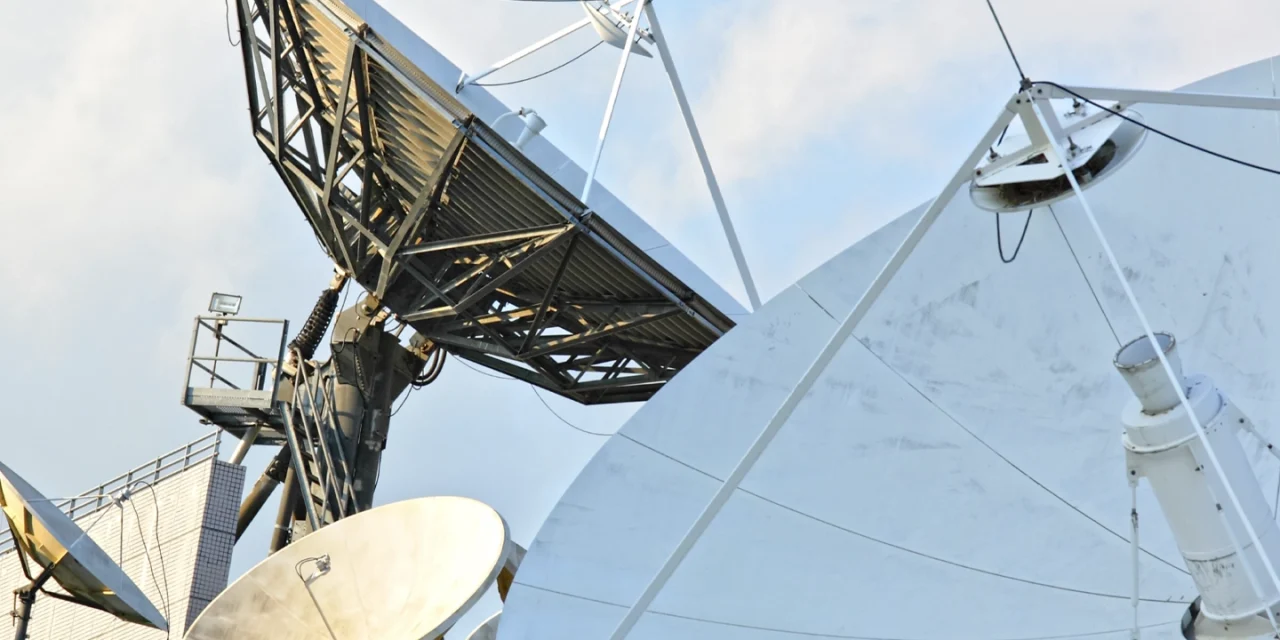
1. Engineering Overview   Modern aerospace RF communication equipment, including satellite transceivers and spaceborne antenna modules, demands ultra-low-loss PTFE PCBs with tight dielectric uniformity and precise manufacturing tolerances. Small variations in Dk or CTE can lead to phase drift, impedance mismatch, and degraded link margin in Ku/Ka-band RF payloads.   PTFE PCB laminates, with Dk...

Reliability and Phase Consistency Validation of PTFE PCBs in Automotive Radar Front-End Modules

1. Engineering Overview / Abstract   High-frequency automotive radar front-end modules operating at 77–79 GHz demand PCB substrates that combine low insertion loss with precise phase stability under harsh environmental conditions. PTFE PCB laminates, with a dielectric constant Dk = 2.10 ± 0.03 and loss tangent Df = 0.0007 @10 GHz, provide the electrical and...

Low-Loss Transmission and Impedance Control of PTFE PCBs in Satellite Communication Payloads

1.Engineering Overview / Abstract   Modern satellite communication payloads operating in Ka- and Ku-band frequencies require PCB substrates with ultra-low loss, precise impedance control, and stable phase performance. PTFE PCB laminates provide an ideal platform for high-frequency RF interconnects due to their low dielectric constant (Dk = 2.10 ± 0.03) and minimal loss tangent (Df...

Exploring Teflon PCBs: The Ultimate Guide to High-Frequency and RF Applications

Introduction With the rapid advancement of modern technology, high-frequency electronic systems such as RF, microwave, and radar equipment are increasingly prevalent. At the core of these systems lies the Printed Circuit Board (PCB) — the foundation upon which signal integrity and overall device performance depend. Among the materials used for PCB fabrication, Teflon (PTFE) stands...

Advanced Hybrid Stackup Design with Duroid 5880 PCB for Multi-Layer RF Power Amplifiers

Ensuring Low-Loss Transmission and Thermal Reliability Through KKPCB’s Duroid 5880 PCB Engineering   1. Why Duroid 5880 PCB Defines RF Power Amplifier Reliability   In modern RF Power Amplifier systems used in defense radar, satellite uplink transmitters, and 5G mmWave base stations,the Duroid 5880 PCB provides exceptional dielectric stability and low-loss performance for power and...

Low-Loss PCB Materials: High-Frequency Solutions for Next-Generation Electronics

Introduction to Commonly Used Low-Loss PCB Materials As high-frequency and high-speed electronic designs become increasingly dominant, low-loss PCBs have become the cornerstone of reliable RF, microwave, and high-speed digital systems. These circuit boards are engineered to minimize signal attenuation, power loss, and distortion, ensuring stable performance even at gigahertz-level frequencies. At KKPCB, we specialize in...

Lamination Process Tips for PTFE-Based High Frequency PCBs

1. Introduction In the field of high-frequency PCB manufacturing, PTFE-based materials such as Rogers RO3003 and RO4350B are widely used for their low dielectric loss and stable electrical performance.However, the lamination process for PTFE-based high frequency PCBs is more complex than standard FR4 due to PTFE’s unique mechanical and chemical properties.This article summarizes key lamination...

RO3003 vs RO4350B: Which Rogers Material Is Better for 24GHz Applications?

1. Introduction As radar and wireless communication move into the 24GHz spectrum, selecting the right high-frequency PCB material becomes one of the most critical design decisions.Among the top contenders, Rogers RO3003 and RO4350B stand out for their reliable electrical performance and widespread industrial use. At KKPCB, our engineering team has extensive experience fabricating both RO3003...