Power Electronics PCB - KKPCB
 
HomeTag

Power Electronics PCB - KKPCB

Heavy Copper PCB – High Current PCB for Power Electronics and Industrial Applications

What Is a Heavy Copper PCB? A Heavy Copper PCB is a printed circuit board manufactured with thicker copper layers than standard PCBs, typically ranging from 3 oz to 20 oz copper thickness or more. Unlike conventional PCBs that usually use 1 oz copper, heavy copper boards are designed to handle: High current loads Improved...
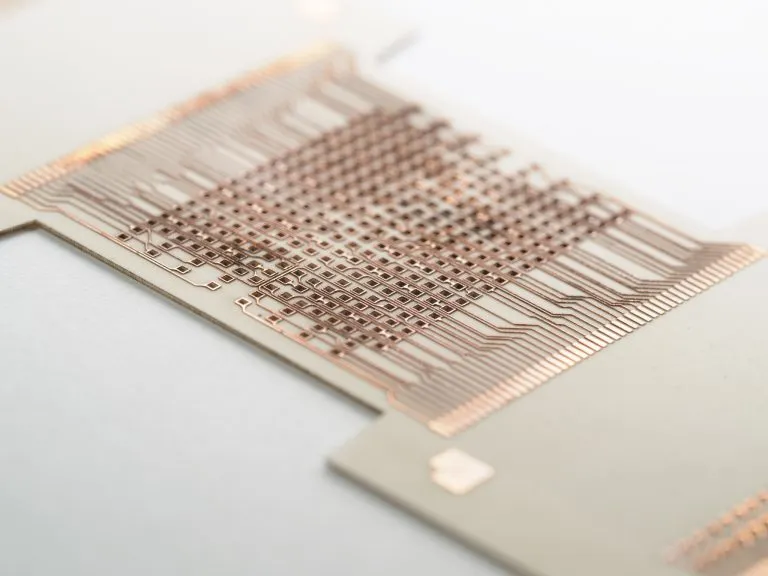
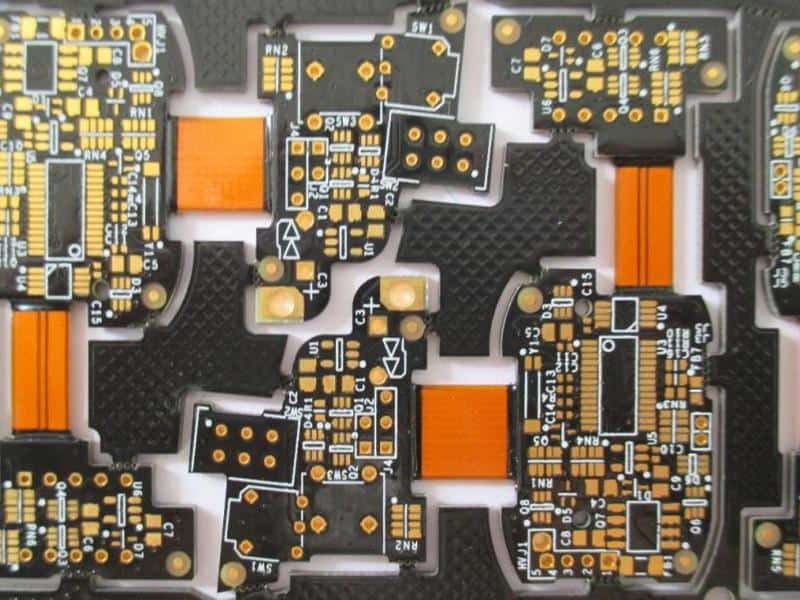
Alumina PCB – High-Temperature Ceramic Substrate for Power and Precision Electronics

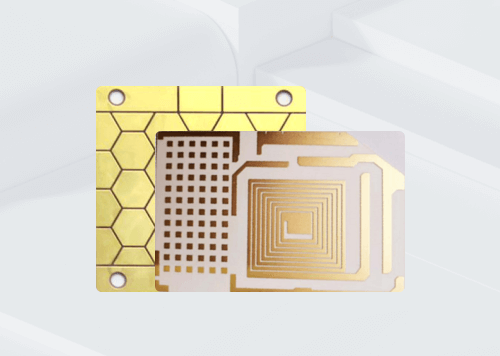
What Is an Alumina PCB? An Alumina PCB is a ceramic-based printed circuit board manufactured using aluminum oxide (Al₂O₃) as the substrate material. Unlike conventional FR4 boards, Alumina PCBs are designed for extreme temperature environments, high-power density circuits, and long-term reliability applications. With strong mechanical strength and excellent electrical insulation, Alumina PCBs are widely used...

SiC PCB – High Temperature and High Power PCB Solutions for Silicon Carbide Applications

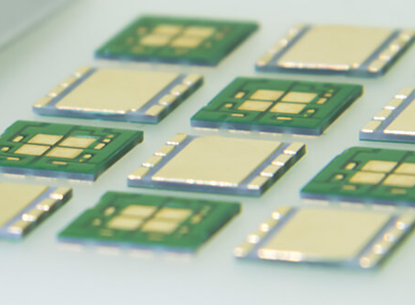
What Is a SiC PCB? A SiC PCB is a printed circuit board specifically designed to support Silicon Carbide (SiC) power devices. SiC semiconductors operate at higher voltages, higher temperatures, and higher switching frequencies compared to traditional silicon devices. Because of these characteristics, the PCB supporting SiC components must provide superior thermal management, electrical insulation,...

Ceramic PCB – High Thermal and High Power Substrate for Advanced Electronic Systems

What Is a Ceramic PCB? A Ceramic PCB is a printed circuit board built on a ceramic substrate rather than traditional epoxy glass (FR4). Ceramic materials provide exceptional thermal conductivity, high dielectric strength, and outstanding dimensional stability. Unlike conventional PCBs that rely on thermal vias or heavy copper to manage heat, ceramic PCB transfers heat...

Ceramic PCB – High Thermal Conductivity and High Reliability Substrate for Power Electronics

What Is a Ceramic PCB? A Ceramic PCB is a printed circuit board manufactured using ceramic-based substrates instead of traditional FR4 materials. Ceramic substrates offer superior thermal conductivity, excellent electrical insulation, and strong mechanical stability, making them ideal for high-power and high-reliability electronic applications. Unlike conventional PCB materials, ceramic boards are designed to efficiently dissipate...

High TG PCB – High Glass Transition Temperature PCB for Thermal Stability and Reliability

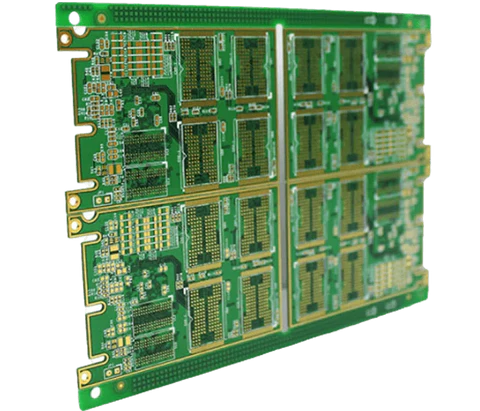
What Is a High TG PCB? A High TG PCB refers to a printed circuit board manufactured using laminate materials with a high glass transition temperature (Tg). The glass transition temperature is the point at which the PCB substrate transitions from a rigid state to a softer, more flexible state under heat. Standard FR4 materials...

SiC PCB: Advanced PCB Solutions for High-Voltage and High-Temperature Power Applications

SiC PCB: Supporting the Next Generation of Power Electronics With the rapid growth of electric vehicles, renewable energy systems, and industrial power modules, Silicon Carbide (SiC) devices are becoming a key technology in modern power electronics. Compared to traditional silicon components, SiC devices operate at higher voltages, higher temperatures, and higher switching frequencies. However, these...

High TG PCB – High Glass Transition Temperature PCB for High Reliability Applications

What Is a High TG PCB? A High TG PCB is a printed circuit board fabricated using high glass transition temperature (TG) laminate materials, typically with TG values above 170°C, 180°C, or even 200°C depending on application requirements. The glass transition temperature (TG) refers to the temperature at which the PCB substrate transitions from a...

Heavy Copper PCB – High Current and High Reliability PCB for Power Applications

What Is a Heavy Copper PCB? A Heavy Copper PCB is a printed circuit board with copper thickness significantly higher than standard PCBs, typically ranging from 2 oz to 10 oz per square foot (70 μm – 350 μm). Heavy copper PCBs are engineered for applications that require: High current carrying capability Superior heat dissipation...

High Current PCB Manufacturing for Power Electronics and Industrial Applications

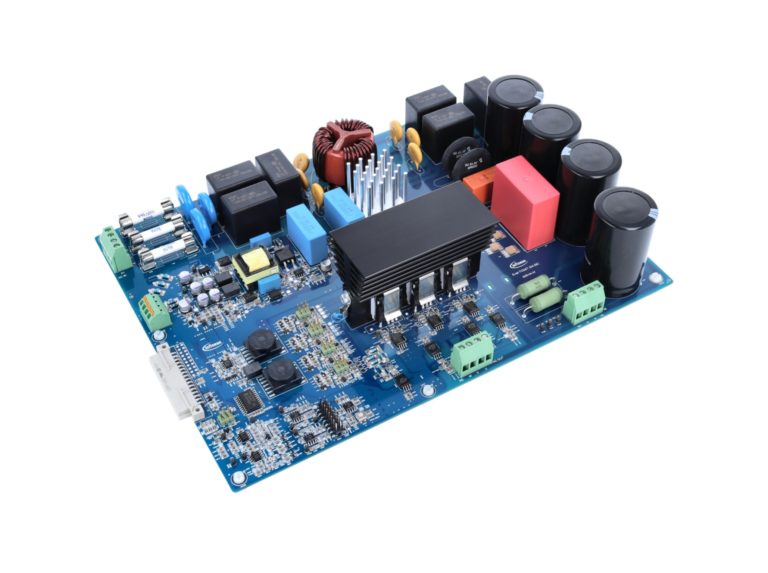
What Is a High Current PCB? A High Current PCB is a printed circuit board specifically designed to carry large currents while maintaining electrical stability and thermal reliability. These PCBs are commonly used in power electronics, automotive inverters, industrial automation, renewable energy systems, and high-current semiconductor testing. High current PCBs typically feature thick copper layers,...