multilayer PCB - KKPCB
 
HomeTag

multilayer PCB - KKPCB

High TG PCB for Multilayer and High Thermal Stress Applications

A High TG PCB refers to a printed circuit board manufactured with laminate materials that feature a high glass transition temperature, typically 170°C or above. However, in advanced electronics, High TG material selection is not only about temperature tolerance — it is fundamentally about mechanical stability under thermal stress. In multilayer, thick copper, and high-power...
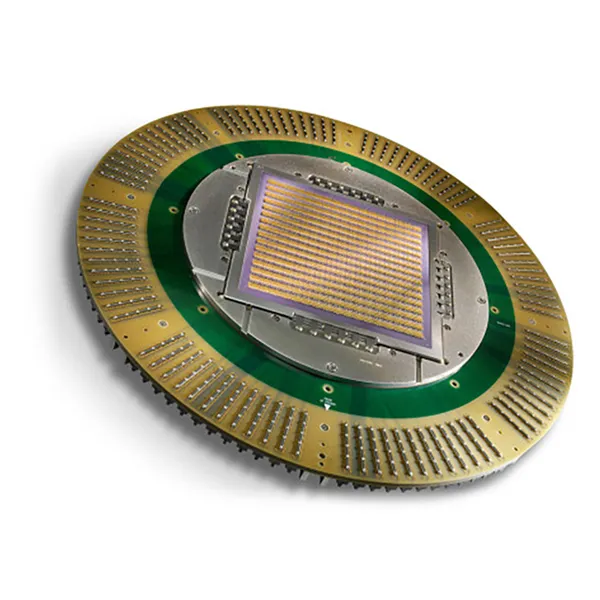
Probe Card PCB – High Precision Interface Board for Wafer-Level Semiconductor Testing

What Is a Probe Card PCB? A Probe Card PCB is a high-precision printed circuit board used in semiconductor wafer-level testing. It serves as the electrical interface between Automated Test Equipment (ATE) systems and the wafer under test. Unlike load boards used for packaged ICs, probe card PCBs are specifically designed to connect to microscopic...

ATE Test PCB – High Reliability Test Board for Automated Test Equipment Systems

What Is an ATE Test PCB? An ATE Test PCB is a specialized printed circuit board used in Automated Test Equipment (ATE) systems to perform functional, parametric, and reliability testing of semiconductor devices. ATE test boards act as the electrical interface between the testing machine and the device under test (DUT). They ensure accurate signal...

Multilayer PCB – Advanced Layered Circuit Board for High-Performance Electronic Systems

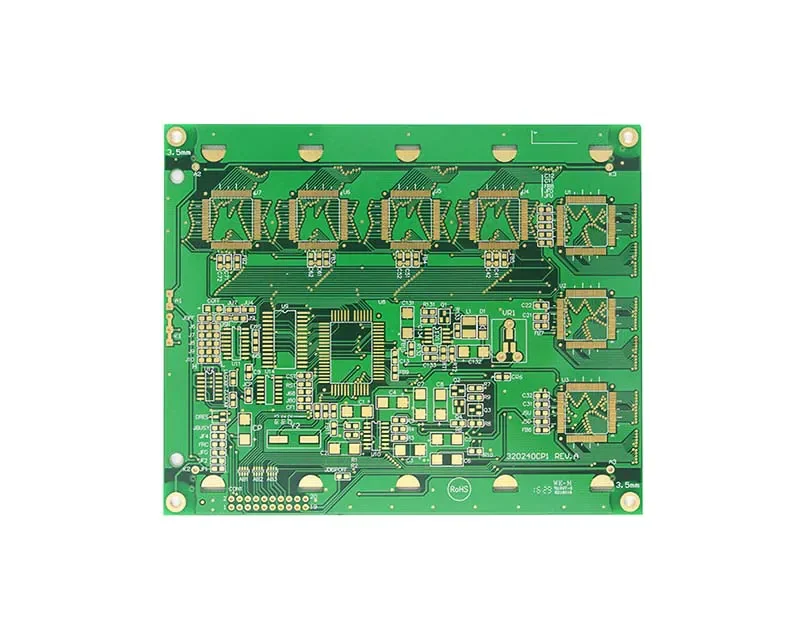
What Is a Multilayer PCB? A Multilayer PCB is a printed circuit board consisting of three or more conductive copper layers laminated together with insulating dielectric materials. These layers are electrically interconnected through plated vias to create complex routing structures within a compact footprint. Compared to single-layer or double-layer boards, multilayer PCBs enable higher circuit...

Microvia PCB – Laser-Drilled HDI Technology for High-Density Interconnection

What Is a Microvia PCB A Microvia PCB is a high-density interconnect (HDI) printed circuit board that uses laser-drilled microvias to connect adjacent copper layers. Unlike traditional mechanical through-holes, microvias are extremely small and typically connect only one or two layers. Microvia technology enables higher routing density, improved electrical performance, and more compact electronic designs....

Fine Line PCB – Precision Micro-Trace Technology for High-Density Circuit Design

What Is a Fine Line PCB? A Fine Line PCB refers to a printed circuit board manufactured with extremely narrow trace widths and spacing. Compared with standard PCB designs, fine line technology enables higher routing density within limited board space. Fine line PCBs are essential for modern electronic devices where compact size, high functionality, and...

High Density PCB Design – Engineering Solutions for Complex and Compact Electronic Systems

Engineering Challenges Behind High Density PCB As electronic systems become more compact and functionally integrated, PCB designers are facing increasing layout complexity. A High Density PCB is not simply about placing more components on a board — it requires precise coordination between electrical design, stack-up engineering, manufacturability, and long-term reliability. High density PCB development focuses...

HDI PCB – High Density Interconnect PCB for Advanced Electronic Applications

What Is an HDI PCB? An HDI PCB (High Density Interconnect PCB) is a printed circuit board designed with higher wiring density per unit area compared to traditional PCBs. It typically incorporates microvias, blind and buried vias, fine trace widths, and advanced multilayer stack-ups to support compact and high-performance electronic designs. HDI technology enables smaller...

Buried Via PCB – High Density Multilayer PCB with Internal Via Interconnection

What Is a Buried Via PCB? A Buried Via PCB is a multilayer printed circuit board that uses vias connecting only internal layers, without extending to the outer surface layers. Unlike through-hole vias that pass through the entire board thickness, buried vias are fully embedded within the PCB stack-up. This structure improves routing density, reduces...

Rigid-Flex PCB – Flexible and Rigid Hybrid PCB for Compact and High Reliability Applications

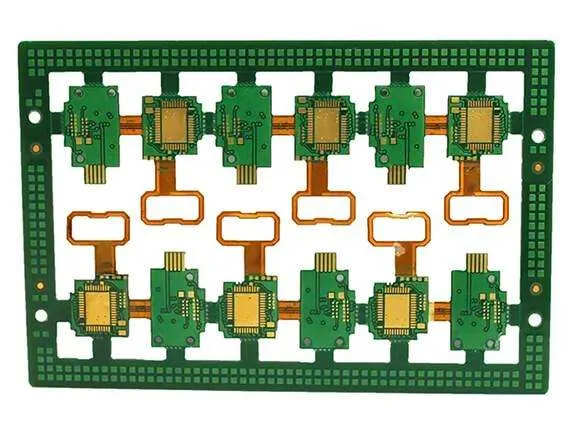
What Is a Rigid-Flex PCB? A Rigid-Flex PCB combines rigid circuit board sections with integrated flexible circuit layers into a single unified structure. This hybrid design allows the board to bend in specific areas while maintaining structural stability in others. Unlike traditional assemblies that connect separate rigid boards using cables or connectors, rigid-flex technology integrates...