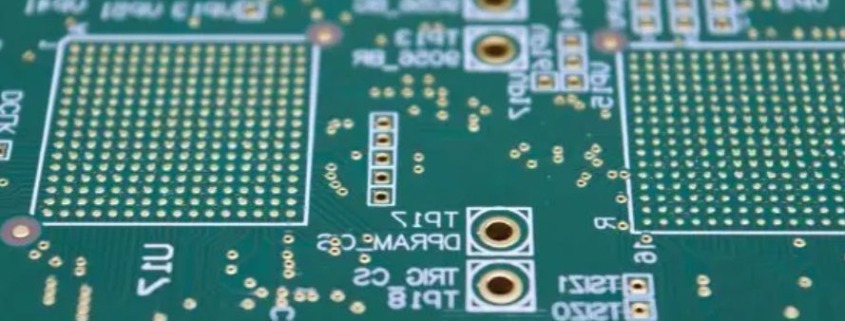
multilayer PCB - KKPCB
 
HomeTag

multilayer PCB - KKPCB

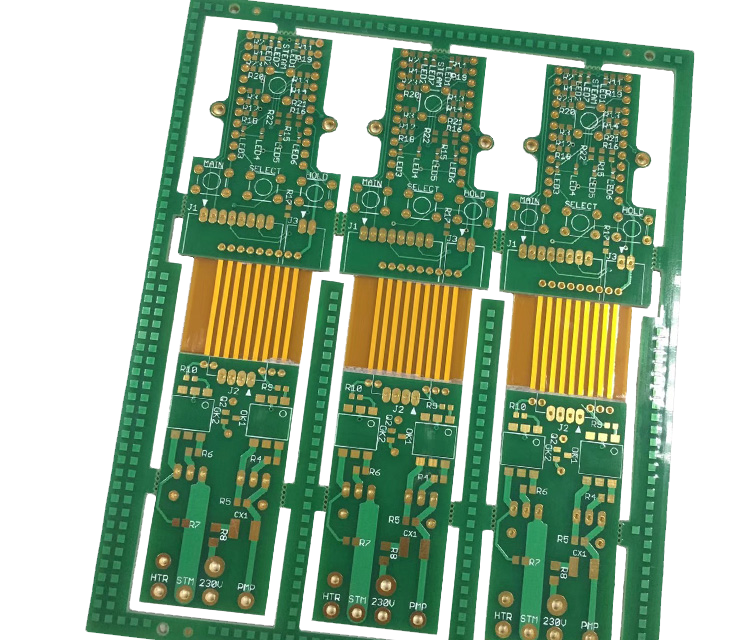
Multilayer Rigid-Flex PCB Manufacturer: Advanced Solutions for Compact and High-Reliability Electronics

As electronic products become smaller, lighter, and more functionally integrated, traditional rigid PCBs and cable interconnects often fail to meet modern design requirements. Multilayer rigid-flex PCBs combine rigid and flexible circuits into a single structure, enabling compact layouts, improved reliability, and enhanced electrical performance. Working with an experienced multilayer rigid-flex PCB manufacturer is essential to...

Small Batch PCB Manufacturing: Flexible and Cost-Effective Solutions for Prototyping and Low-Volume Production

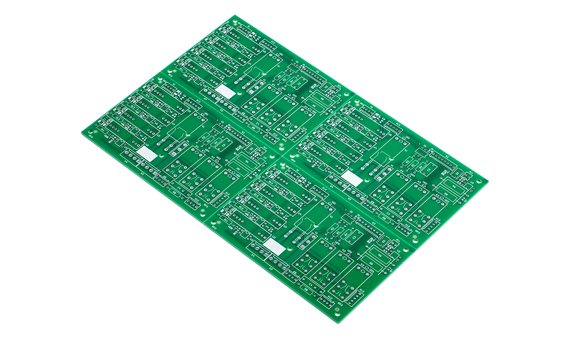
In today’s fast-paced electronics industry, rapid product validation and frequent design iterations are essential.small batch PCBmanufacturing provides an ideal solution for startups, R&D teams, and engineering groups that require high-quality PCBs without committing to large production volumes. This article explores what small batch PCB manufacturing is, why it matters, and how it supports efficient product...

Key Manufacturing Factors That Affect Controlled Impedance PCB Accuracy

Key Manufacturing Factors That Affect Controlled Impedance PCB Accuracy In today’s high-speed electronics market, Controlled Impedance PCB manufacturing has become a fundamental requirement for ensuring excellent signal integrity and stable electrical performance. As operating frequencies and data transmission speeds continue to rise, even minor impedance deviations in a controlled impedance PCB can result in signal...

From Stackup Planning to Lamination Control: Engineering High Layer Count PCBs That Actually Work

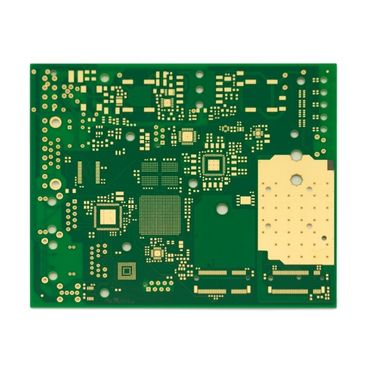
Engineering High Layer Count PCBs: Why “More Layers” Isn’t the Answer As electronic systems evolve toward higher speeds, higher integration, and smaller form factors, high layer count PCBs—typically 16 layers and above—have become standard in data centers, telecommunications, aerospace electronics, and advanced industrial systems. However, many multilayer PCBs fail not because of schematic errors, but...

Balancing Electrical Performance and Manufacturability in Buried Via PCB Structures

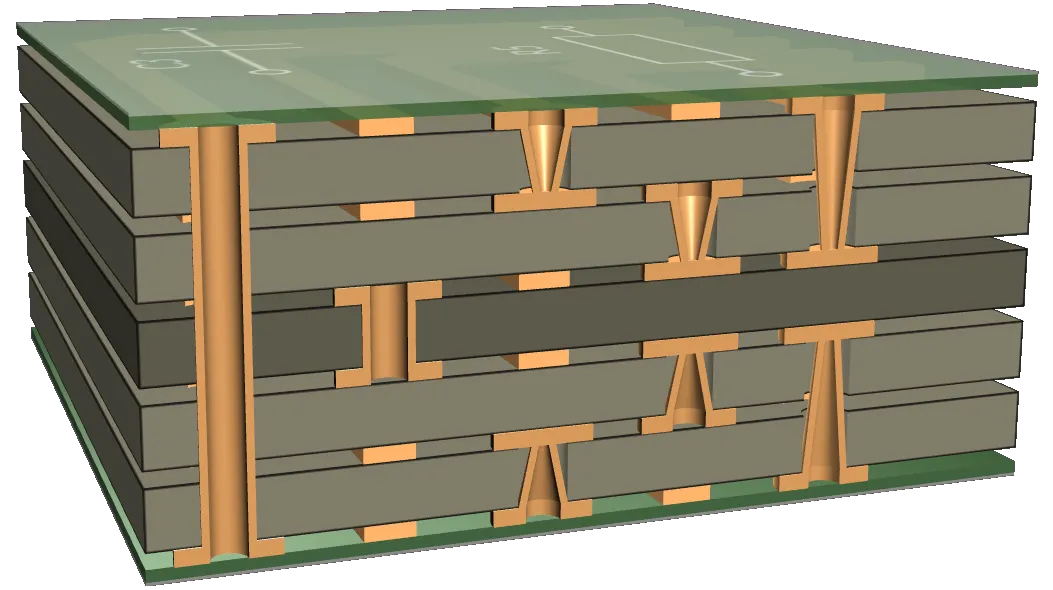
As electronic systems continue to evolve toward higher speeds, greater functionality, and reduced form factors, Buried Via PCB structures have become a critical enabler for advanced multilayer designs. By allowing interlayer connections without penetrating the outer layers, buried vias unlock higher routing density, improved signal integrity, and enhanced EMI control. However, these electrical advantages must...

Enable Ultra-High Interconnect Density and Signal Integrity with Advanced High Layer Count PCB Architectures

High Layer Count PCB: The Backbone of Complex Electronic Systems A High Layer Count PCB refers to a multilayer printed circuit board typically featuring 16 layers, 24 layers, 32 layers, or more, designed to support complex signal routing, dense interconnections, and advanced power distribution. As electronic systems continue to integrate higher data rates, tighter form...

Enable Compact Integration and High-Reliability Interconnection with Advanced Rigid-Flex PCB Architectures

Rigid-Flex PCB: Integrating Mechanical Flexibility with Rigid PCB Performance A Rigid-Flex PCB is a hybrid printed circuit board that combines rigid PCB sections and flexible circuits into a single integrated structure. By embedding flexible polyimide layers between rigid FR-4 or high-performance laminates, Rigid-Flex PCB architectures eliminate connectors, reduce interconnect failures, and enable compact three-dimensional electronic...

Enhance Routing Density and Signal Integrity with Buried Via PCB Architectures for High-Density Electronic Systems

Buried Via PCB: Enabling High-Density Interconnection Beyond Conventional Multilayer Boards A Buried Via PCB is a multilayer printed circuit board in which vias connect only internal layers and do not extend to the outer layers. Unlike through-hole vias, buried vias are completely embedded within the PCB stackup, enabling higher routing density, improved signal integrity, and...

Enable Ultra-Complex Routing and Signal Integrity with High Layer Count PCB Architectures for Advanced Electronic Systems

High Layer Count PCB: The Backbone of Ultra-Complex Electronic Integration A High Layer Count PCB refers to a multilayer printed circuit board typically exceeding 12 layers and extending to 20, 30, or even 60+ layers for advanced electronic systems. High layer count PCB designs are essential for applications requiring dense routing, high-speed signal transmission, controlled...

Improve Thermal Reliability and Signal Integrity with High TG PCB Materials for High-Performance Electronic Systems

Engineering Context: Why High TG PCB Is Critical in Modern Electronics As electronic systems continue to push toward higher power density, faster signal speeds, and harsher operating environments, conventional PCB materials increasingly become a reliability bottleneck. Excessive heat, repeated thermal cycling, and dense component placement place enormous stress on standard laminates, often leading to warpage,...