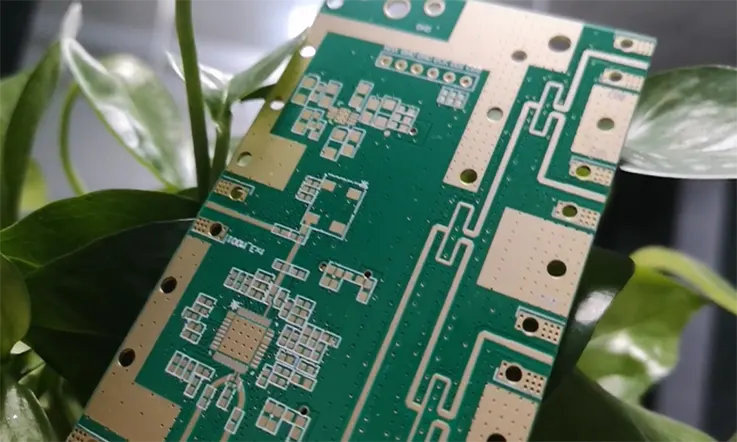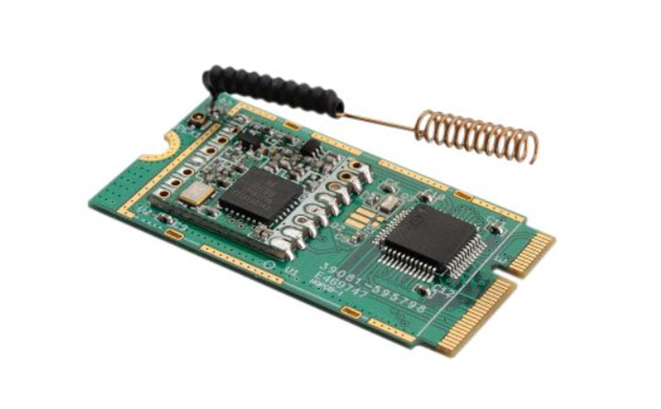
What Is an IoT IC Test PCB? An IoT IC Test PCB is a specialized printed circuit board used for validating and testing integrated circuits (ICs) designed for Internet of Things (IoT) applications. These PCBs are commonly used in semiconductor test environments such as: Automated Test Equipment (ATE) systems Load boards Probe card assemblies Burn-in...