Low-Loss High Frequency PCB - KKPCB
 
HomeTag

Low-Loss High Frequency PCB - KKPCB

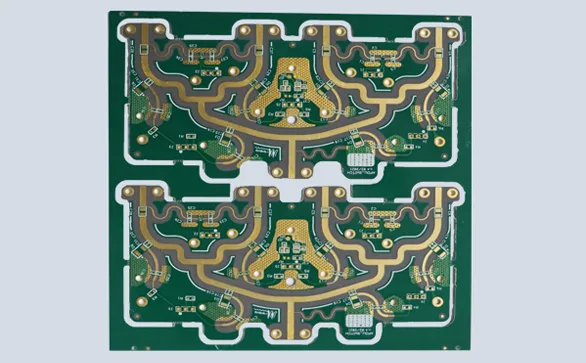
Duroid 5880 PCB for Radar Module: Minimizing Signal Loss in High-Precision Radar Systems

In radar systems, signal integrity defines system capability. Detection range, resolution, and accuracy are all directly influenced by transmission loss and phase consistency. For this reason, Duroid 5880 PCB for radar module applications has become a preferred choice where performance margins are extremely tight. By significantly reducing dielectric loss and maintaining stable electrical behavior, Duroid...

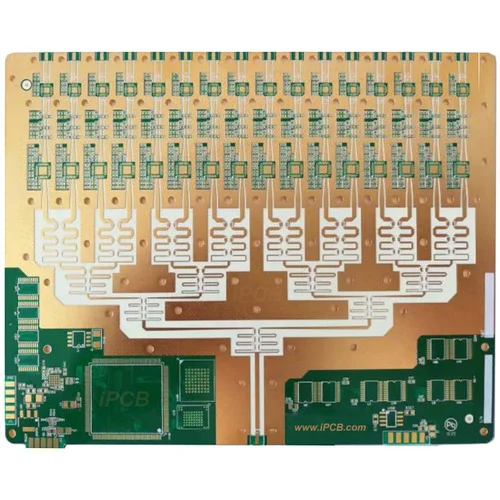
Automotive Radar PCB Manufacturing: Enabling Stable mmWave Performance for ADAS and Autonomous Vehicles

Automotive radar is a cornerstone technology for ADAS and autonomous driving, providing precise object detection in all weather and lighting conditions. Behind every reliable radar sensor is a carefully engineered automotive radar PCB, where manufacturing accuracy directly affects detection range, resolution, and system reliability. Automotive radar PCB manufacturing is not only about high frequency—it is...

Duroid 5880 PCB for Radar Module: Ultra-Low Loss Solution for mmWave and High-Precision Radar Systems

Radar modules operating at microwave and millimeter-wave frequencies demand exceptional signal integrity, minimal transmission loss, and long-term stability. Duroid 5880 PCB for radar module applications is widely recognized as one of the most reliable solutions for high-frequency radar systems used in automotive, aerospace, and industrial sensing. Its unique material properties make Duroid 5880 especially suitable...

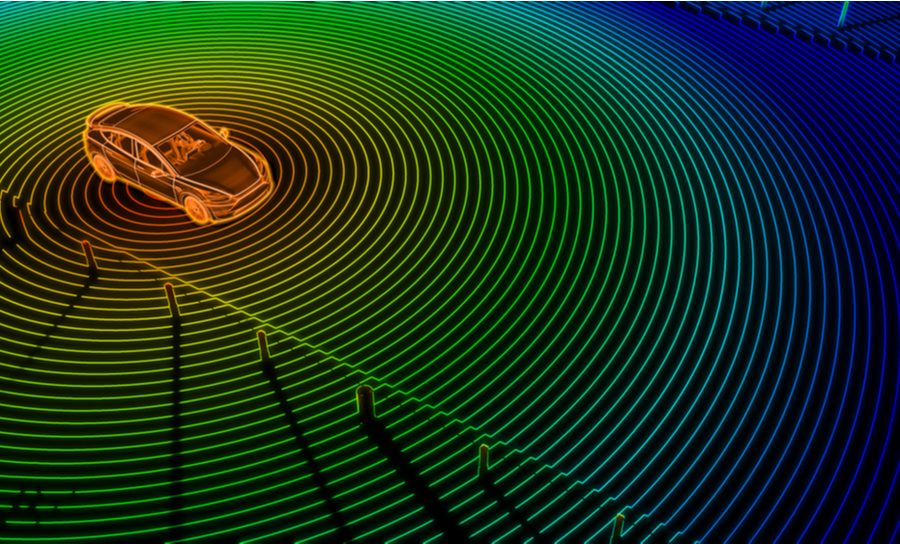
Automotive Radar PCB Manufacturing: Precision, Reliability, and Performance for ADAS Systems

Automotive radar systems are a core component of ADAS and autonomous driving technologies, enabling functions such as adaptive cruise control, collision avoidance, and blind-spot detection. At the heart of these systems lies the automotive radar PCB, where manufacturing precision directly impacts detection accuracy and long-term reliability. Automotive radar PCB manufacturing requires far more stringent control...

Duroid 5880 PCB for Radar Module: Ultra-Low Loss PCB Solution for High-Frequency and mmWave Radar

Radar modules operating at high and millimeter-wave frequencies require extreme signal integrity, minimal loss, and stable dielectric performance. Selecting the right PCB material is critical to radar accuracy and system reliability. Duroid 5880 PCB for radar module applications is widely recognized as one of the best ultra-low loss PCB solutions for high-frequency and mmWave radar...

Automotive Radar PCB Manufacturing: High-Reliability Solutions for 77GHz and 79GHz Radar Systems

Automotive radar systems are a core technology in modern vehicles, enabling advanced driver-assistance systems (ADAS) and autonomous driving features. At the heart of these systems lies the automotive radar PCB, which must deliver stable mmWave performance, ultra-low signal loss, and long-term reliability under harsh automotive environments. Professional automotive radar PCB manufacturing combines advanced RF materials,...

Duroid 5880 PCB for Radar Module: Ultra-Low Loss Solution for High-Frequency and mmWave Radar Systems

Radar modules used in automotive, aerospace, and industrial sensing systems operate at extremely high frequencies where signal loss and phase stability are critical. Selecting the right PCB material directly impacts detection accuracy and system reliability. Duroid 5880 PCB for radar module applications is one of the most trusted solutions for high-frequency and millimeter-wave radar designs....

Enhance Wide-Temperature RF Accuracy and Low-Loss Routing Using RO4835 PCB for Aerospace Navigation and Telemetry Systems

1. Why Aerospace RF Boards Are Entering the RO4835 Era in 2025 In aerospace navigation and telemetry links (L/S/C/Ku/Ka bands), temperature swings from –55°C on the ground to +125°C in high-altitude low-pressure environments are routine. Traditional high-frequency materials such as RO4350B or common PTFE either suffer excessive Dk drift or catastrophic oxidation of the “LoPro”...