high-voltage PCB - KKPCB
 
HomeTag

high-voltage PCB - KKPCB

Ceramic PCB Engineering for Power Density, Thermal Path Control, and Long-Term System Reliability

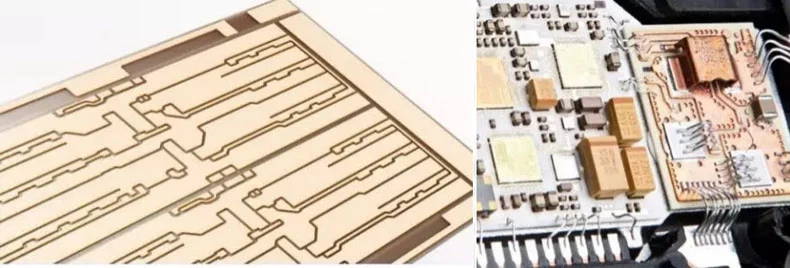
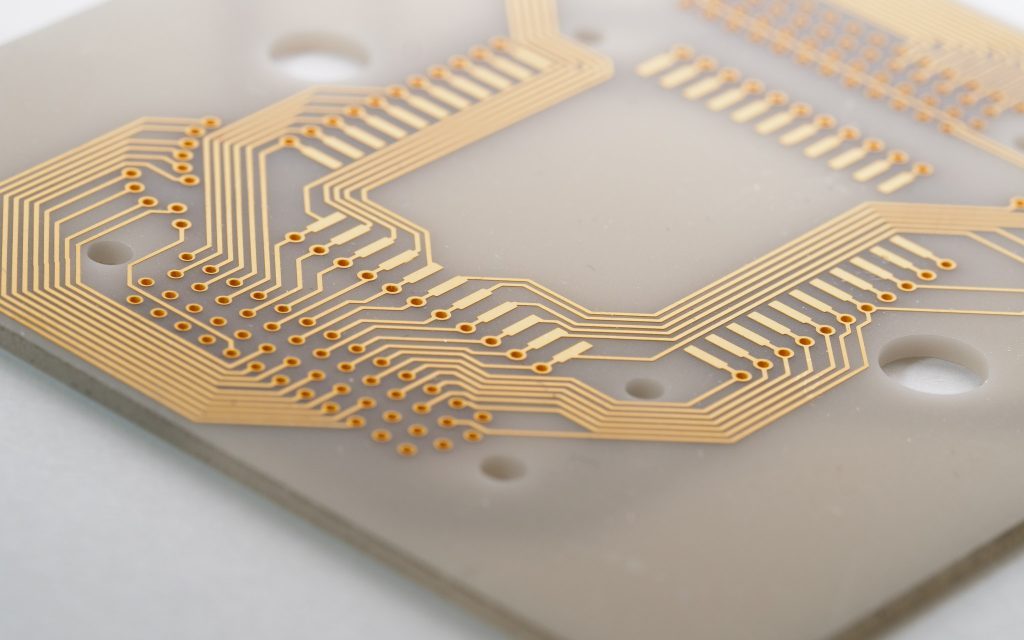
A Ceramic PCB is a substrate technology selected when thermal limits, electrical insulation, and mechanical stability become primary system constraints. In high-power and high-voltage electronic systems, ceramic substrates are not simply alternatives to organic laminates—they function as integrated thermal and structural elements within the overall design architecture. Ceramic PCB as a Thermal Path Element In...

Material-Driven Aluminum Nitride PCB Design for Thermal and Electrical Stability

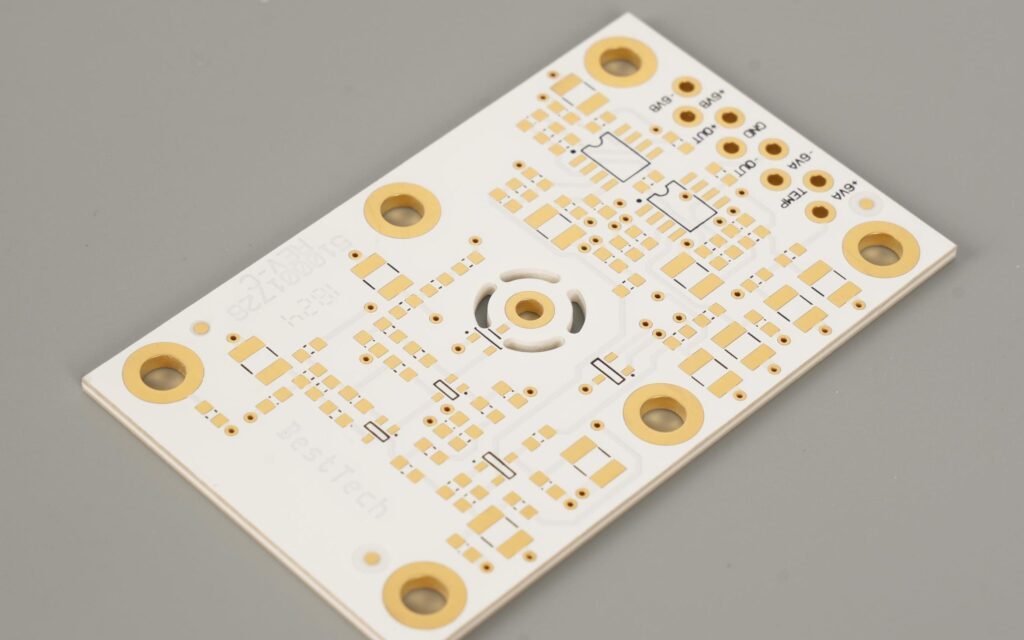
An Aluminum Nitride PCB (AlN PCB) is a ceramic-based circuit substrate engineered for electronic systems that demand exceptional thermal conductivity, electrical insulation, and dimensional stability under high power density and elevated temperature conditions. In power electronics and high-reliability applications, material selection is not a secondary decision—it defines system performance limits. Material-driven Aluminum Nitride PCB design...

Designing Ceramic PCBs for Efficient Heat Dissipation in Power and High-Voltage Electronics

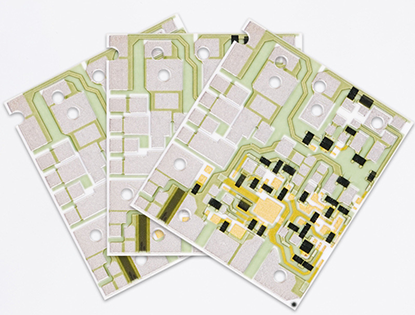
A Ceramic PCB is a high-performance circuit substrate engineered for applications that demand excellent thermal conductivity, electrical insulation, and long-term reliability under harsh operating conditions. Unlike organic PCB materials such as FR-4 or PTFE, ceramic PCB substrates are inorganic, enabling stable electrical and mechanical performance at elevated temperatures and high power densities. Ceramic PCB technology...

Aluminum Nitride PCB (AlN PCB): High Thermal Conductivity Ceramic Substrate for Power Modules and Advanced Electronics

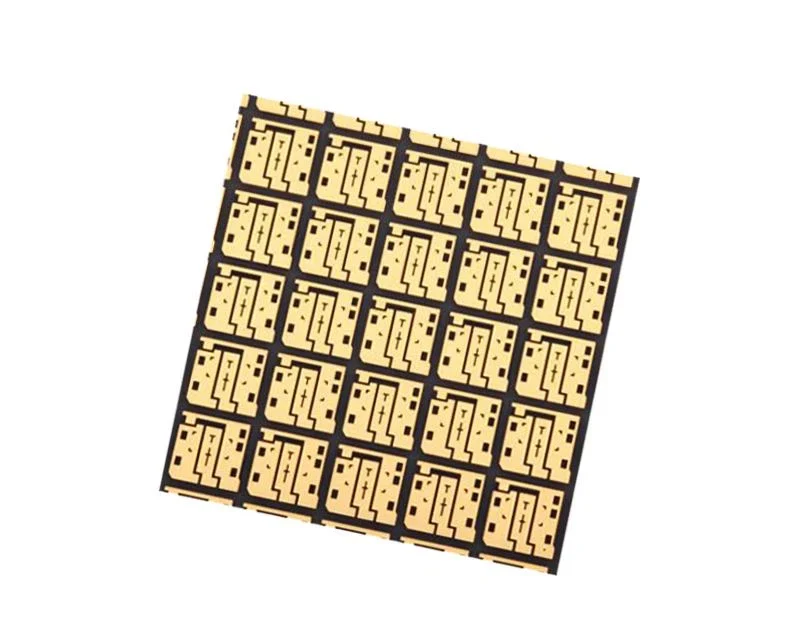
As modern electronics continue to evolve toward higher power density, smaller packaging, and harsher operating environments, thermal performance has become one of the most important factors in PCB material selection. In applications such as EV power modules, IGBT and MOSFET power stages, SiC/GaN devices, and high brightness LED modules, traditional FR-4 PCBs often cannot provide...

Ultra-High-Thermal-Performance SiC PCB Engineering for Power Electronics and Wide-Bandgap Systems

Introduction: Why SiC PCB Matters in the New Era of Power Electronics Silicon Carbide (SiC) power devices are redefining the performance limits of modern power electronics. To unlock the true efficiency of SiC MOSFETs, SiC diodes, and SiC power modules, engineers require PCB platforms that can handle extreme thermal loads, high switching frequencies, and elevated...

SiC PCB Technology: High-Thermal, High-Voltage, and High-Frequency Engineering for Wide-Bandgap Power Systems

Silicon Carbide (SiC) PCB technology is transforming the landscape of high-power, high-frequency, and high-temperature electronics. As electric vehicles, renewable energy converters, aerospace systems, and industrial automation demand greater efficiency and reliability, SiC PCBs provide the thermal conductivity, voltage endurance, and switching performance required for next-generation power platforms. Unlike traditional FR-4 or low-temperature laminates, SiC PCB...

SiC PCB Engineering: High-Temperature, High-Power, and High-Reliability Solutions for Next-Generation Electronics

Silicon Carbide (SiC) PCBs are rapidly becoming essential for advanced power electronics, electric vehicles, aerospace systems, and industrial automation due to their ability to operate at higher temperatures, voltages, and frequencies than traditional FR-4 or standard ceramic substrates. SiC PCBs integrate wide-bandgap semiconductor technology directly with optimized thermal and electrical performance to support next-generation applications....

Unlock Extreme Thermal Performance and High-Power Reliability with SiC PCB Technologies for Next-Generation Power Electronics

Silicon carbide (SiC) power devices have transformed modern power electronics, enabling ultra-efficient, high-voltage, and high-temperature operation in electric vehicles, high-power converters, charging stations, aerospace systems, and industrial automation. As SiC MOSFETs and SiC Schottky diodes continue to push switching speeds and power densities upward, SiC PCB technologies become essential for supporting these devices with stable...