PCB Materials | FR-4, High-Frequency, Low-Loss & Heavy Copper - KKPCB
 
HomeCategory

PCB Materials | FR-4, High-Frequency, Low-Loss & Heavy Copper - KKPCB

Heavy Copper PCBs: High-Current Performance for Modern Power Electronics

Heavy Copper PCBs: High-Current Solutions for Power Electronics As electronic systems evolve toward higher power density, stronger reliability requirements, and increasingly harsh operating environments, Heavy Copper PCBs have become indispensable across power electronics, automotive systems, industrial control, and energy infrastructure. Unlike standard PCBs—typically manufactured with 1oz–3oz copper—a Heavy Copper PCB is defined as any PCB...

Rigid-Flex PCBs: Engineering Benefits, Key Challenges, and Advanced Manufacturing Insights from KKPCB

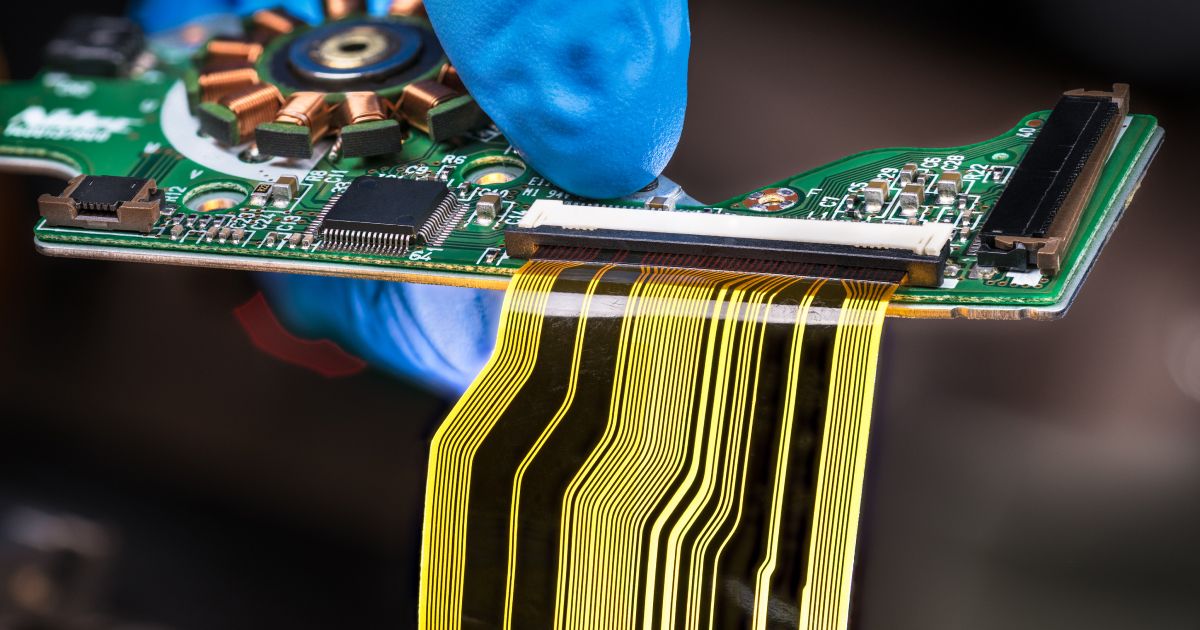
Rigid-Flex PCBs: Advantages, Challenges, and Engineering Insights from KKPCB As electronic systems shrink in size and grow in capability, the demand for PCB technologies that combine reliability, flexibility, and mechanical resilience continues to rise. From aerospace and defense to medical devices, consumer electronics, and industrial automation, modern products increasingly require circuits that survive vibration, bending,...

Low Loss PCBs Explained: Materials, Features & High-Frequency Performance

What Is a Low Loss PCB? Premium Materials, Performance Advantages & Applications In high-frequency electronics, signal integrity is everything. As data rates climb and RF systems move into the mmWave range, traditional FR-4 PCBs quickly become inadequate due to excessive dielectric loss, copper loss and thermal instability. At KKPCB, we engineer Low Loss PCBs specifically...

Aerospace PCB Assembly: Materials, Reliability, and Key Manufacturing Requirements

Aerospace PCB Assembly: Requirements, Reliability, and Key Considerations Aerospace PCB assembly refers to the process of building, integrating, and testing electronic circuits on printed circuit boards designed for aviation, defense, and spacecraft systems. Because aerospace electronics operate in mission-critical environments, the assembly process must ensure absolute precision, uncompromised reliability, and long-term stability. Proper assembly not...

Medical PCB Manufacturing: Technologies, Design Principles & Advanced Applications

Medical PCB Manufacturing: Technologies, Design, and the Future of Electronic Healthcare As medical technology continues to evolve, diagnostics and treatments increasingly depend on sophisticated automated systems. These systems rely on high-precision PCBs (Printed Circuit Boards)—miniaturized, high-density circuit assemblies that integrate numerous components within limited space. To guarantee performance, medical PCB assemblies incorporate advanced design features...

Radar PCB Design: Materials, High-Frequency Layout Techniques & Applications

Radar PCB: Design Principles, Materials, Manufacturing Challenges & Key Applications High-speed PCBs stand at the top of modern circuit-board technology, spanning digital high-speed, mixed-signal, and RF/microwave categories. Among these, RF and microwave PCBs operate at the highest frequencies, making them essential for advanced applications—especially RADAR (Radio Detection and Ranging). Because Radar PCBs frequently host a...

RF PCB Design for 5G Devices: Antenna Integration, Impedance Control & High-Frequency Layout Guide

RF PCB Design for 5G Devices: High-Frequency Architecture, Antenna Integration & Engineering Best Practices Designing RF PCBs for 5G hardware is far more than simple high-speed layout—it requires a deep command of electromagnetic behavior, antenna engineering, high-frequency signal routing, impedance control, and noise isolation.In next-generation wireless systems, the antenna is no longer a passive component—it...

PTFE PCB Explained: Properties, Advantages, Applications & Comparison with FR4

Understanding PTFE PCB: A Comprehensive Technical Overview Printed circuit boards (PCBs) form the backbone of modern electronic systems. While FR4 remains the industry standard for general-purpose PCB manufacturing, PTFE PCBs occupy a special place in high-performance, high-frequency, and harsh-environment applications. This guide provides an in-depth exploration of PTFE PCB technology—its material properties, technical specifications, differences...

Taconic TLY-5 PCB Material: A Complete Technical Guide for High-Frequency, RF, and Microwave Applications

Taconic TLY-5 PCB Laminates: Ultra-Low-Loss Materials for High-Frequency Excellence In high-frequency PCB engineering, materials are the foundation of performance. From RF front-ends to satellite communication systems, every decibel of loss, every fluctuation in dielectric stability, and every thermal deviation directly impacts system integrity. Taconic TLY-5 stands out as one of the industry’s most trusted PTFE-based...

Megtron 6 PCB Material: A Complete Technical Guide to Properties, Performance, and High-Speed Applications

Megtron 6 is a premium high-speed, low-loss PCB laminate developed by Panasonic, designed specifically for next-generation high-frequency and high-data-rate systems. Positioned between standard FR-4 and PTFE-based microwave materials, Megtron 6 delivers exceptionally low transmission loss, stable dielectric performance, and robust thermal reliability—making it a preferred choice in telecom, networking, data-center, computing, and RF applications. By...