Power Integrity PCB - KKPCB
 
HomeTag

Power Integrity PCB - KKPCB

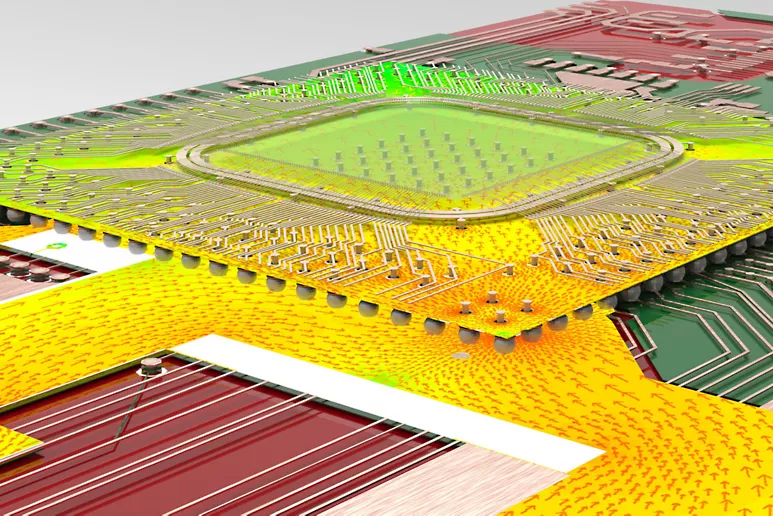
Designing High Layer Count PCBs for Complex Signal, Power, and Thermal Integrity Challenges

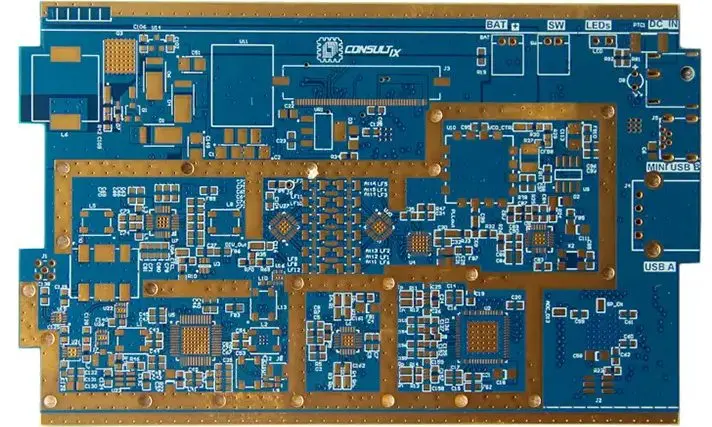
As electronic systems continue to integrate higher data rates, greater power density, and tighter form factors, high layer count PCBs have become a foundational platform for modern hardware architecture. Designs exceeding 16, 20, or even 30 layers are now common in data center equipment, telecommunications infrastructure, aerospace electronics, and industrial control systems. However, increasing layer...

Enable Ultra-High Interconnect Density and Signal Integrity with Advanced High Layer Count PCB Architectures

High Layer Count PCB: The Backbone of Complex Electronic Systems A High Layer Count PCB refers to a multilayer printed circuit board typically featuring 16 layers, 24 layers, 32 layers, or more, designed to support complex signal routing, dense interconnections, and advanced power distribution. As electronic systems continue to integrate higher data rates, tighter form...

Enable Ultra-Complex Routing and Signal Integrity with High Layer Count PCB Architectures for Advanced Electronic Systems

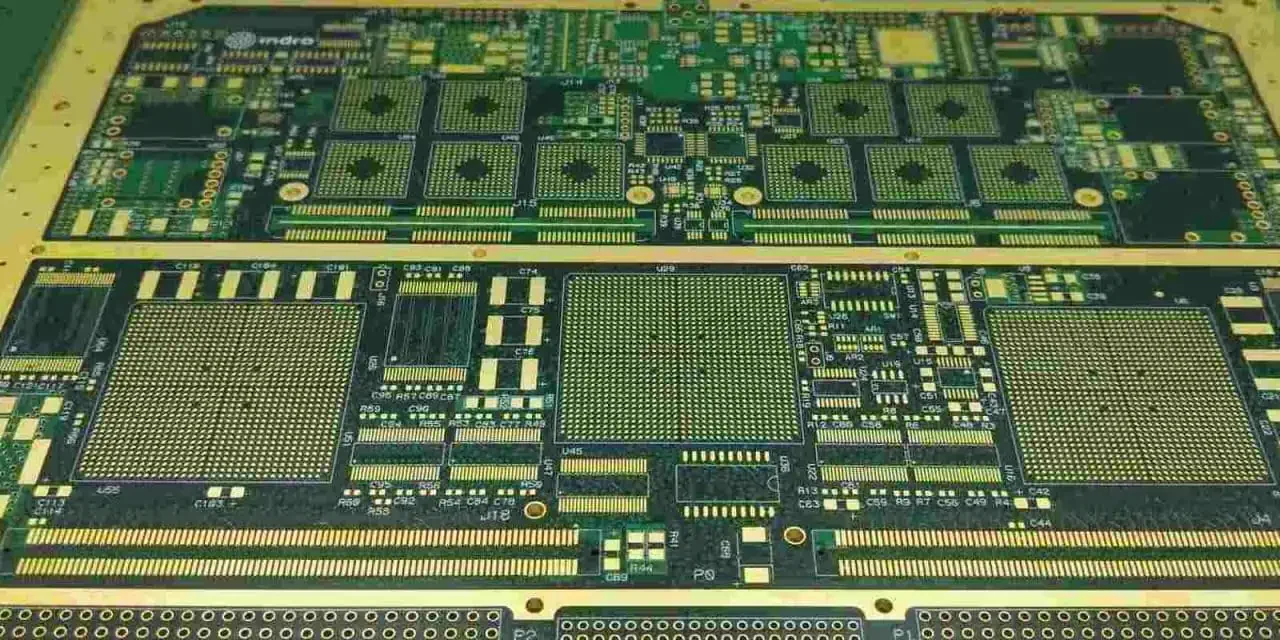
High Layer Count PCB: The Backbone of Ultra-Complex Electronic Integration A High Layer Count PCB refers to a multilayer printed circuit board typically exceeding 12 layers and extending to 20, 30, or even 60+ layers for advanced electronic systems. High layer count PCB designs are essential for applications requiring dense routing, high-speed signal transmission, controlled...

Robotics PCB Engineering: High-Reliability Design Principles for Modern Industrial and Autonomous Systems

Modern industrial robots, collaborative robots (cobots), AGVs, AMRs, and aerial autonomous platforms rely heavily on Robotics PCBs for motion control, sensor fusion, decision-making, communication, and continuous power delivery. As robots transition toward higher precision and autonomy, the electronic design inside them becomes increasingly complex.A well-engineered Robotics PCB determines performance in terms of stability, latency, environmental...