low-loss PCB - KKPCB
 
HomeTag

low-loss PCB - KKPCB

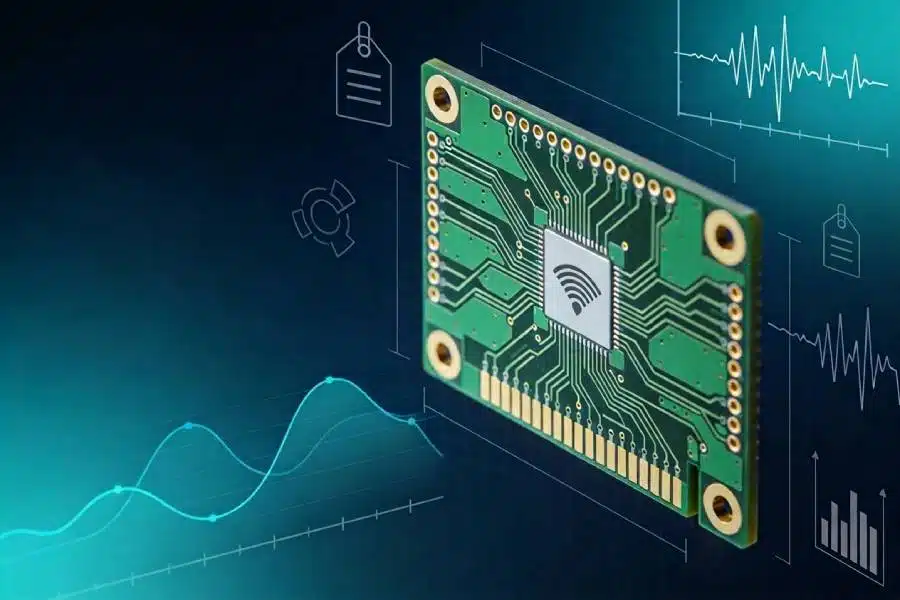
Low Loss PCB: High-Performance PCBs for High-Speed and High-Frequency Applications

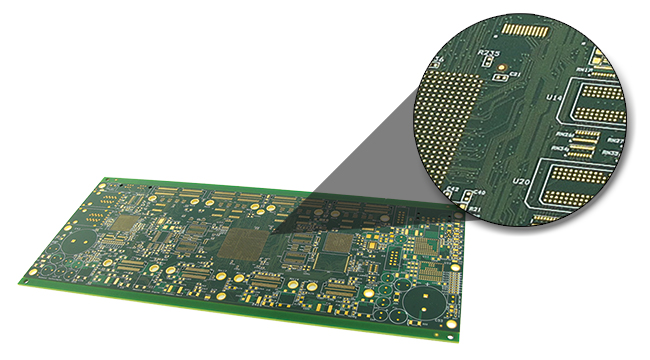
What Is a Low Loss PCB? A Low Loss PCB is a printed circuit board engineered to reduce signal attenuation, insertion loss, and distortion during high-speed or high-frequency signal transmission. Low loss PCBs are essential in applications such as 5G communication, mmWave modules, data centers, automotive radar, and AI servers, where signal integrity is critical....

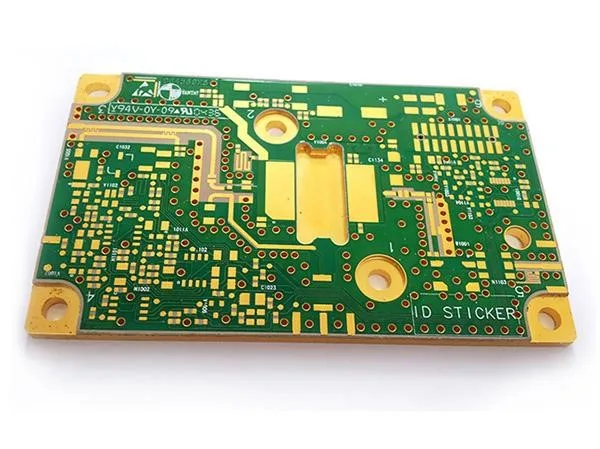
RF-35 PCB: Low-Loss RF PCB Material for High-Frequency Applications

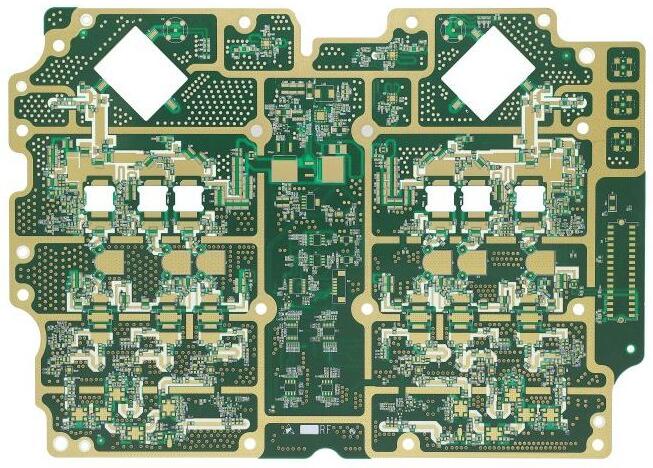
What Is RF-35 PCB? An RF-35 PCB is a high-frequency printed circuit board fabricated using Taconic RF-35 laminate, a woven glass–reinforced hydrocarbon ceramic material designed for RF and microwave circuits. RF-35 PCB offers low dielectric loss, stable dielectric constant, and excellent dimensional stability, making it a reliable choice for high-frequency electronic designs. Compared with standard...

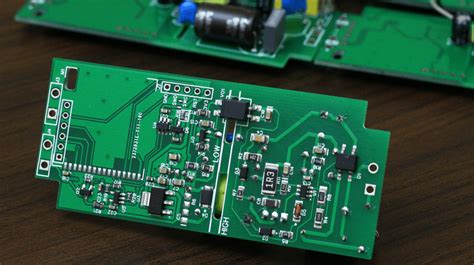
Taconic PCB: High-Frequency PCB Solutions with Low Loss Performance

What Is a Taconic PCB? A Taconic PCB is a high-frequency printed circuit board manufactured using Taconic laminate materials, which are specifically engineered for RF, microwave, and high-speed digital applications. Taconic PCBs are known for their low dielectric loss, stable dielectric constant (Dk), and excellent thermal reliability. Compared with standard FR-4 PCBs, Taconic PCBs provide...

Taconic PCB Materials for Low-Loss, Stable Dielectric Performance in RF and High-Speed Systems

Taconic PCB materials are a class of engineered laminates specifically designed to address the challenges posed by high-frequency RF circuits, microwave systems, and high-speed digital signals. As system frequencies extend into multi-gigahertz and mmWave bands, dielectric loss, impedance variation, and phase instability become dominant constraints. Taconic PCB materials help engineers manage these constraints by delivering...

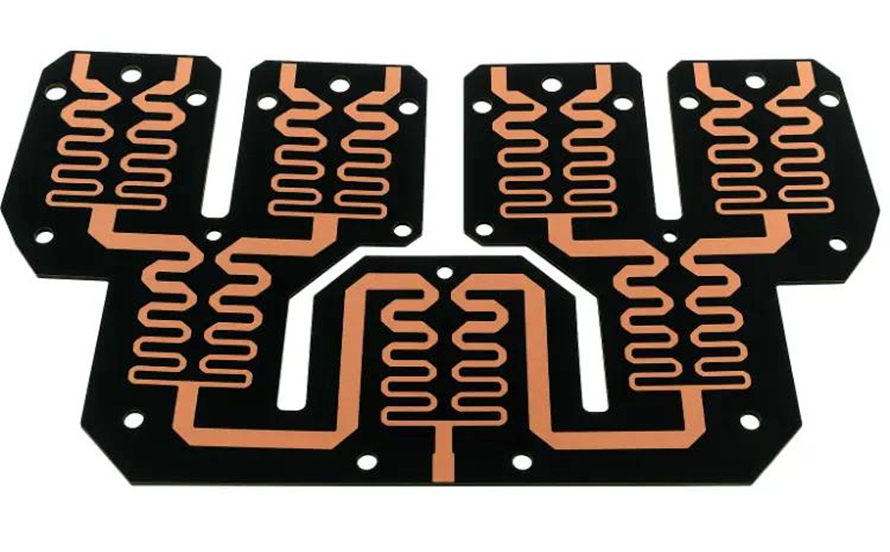
ATE PCB Supplier Capabilities for High-Speed, High-Reliability Automated Test Equipment Systems

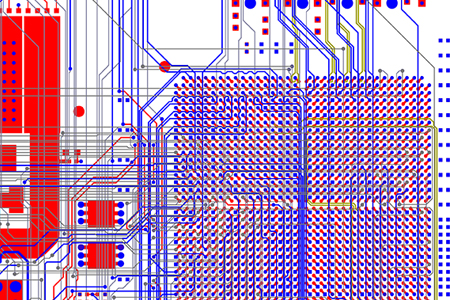
An ATE PCB supplier is a critical technical partner in the development of Automated Test Equipment (ATE) systems used for semiconductor validation, characterization, and production testing. Unlike general-purpose electronics, ATE platforms demand extreme electrical accuracy, mechanical durability, and long-term repeatability, placing significantly higher requirements on PCB design and manufacturing quality. Technical Demands of ATE PCB...

Hybrid PCB Materials for Integrating High-Speed, RF, and Power Circuits in Advanced Electronic Systems

Hybrid PCB materials are engineered by combining multiple laminate systems within a single PCB stackup to meet diverse electrical, thermal, and mechanical requirements. As electronic systems increasingly integrate high-speed digital, RF, and power circuitry on one board, no single material can simultaneously optimize all performance parameters. Hybrid PCB materials provide a practical engineering solution to...

Taconic PCB Materials for High-Frequency, Low-Loss, and High-Speed RF Applications

Taconic PCBs are high-performance printed circuit boards engineered with low-loss dielectric laminates designed for RF, microwave, and high-speed digital applications. Taconic materials are widely recognized for their stable dielectric constant (Dk), low dissipation factor (Df), and thermal reliability, making them ideal for applications where signal integrity and frequency performance are critical. Key Advantages of Taconic...

ATE PCB Supplier Solutions: High-Performance Boards for Automated Test Equipment Applications

Automated Test Equipment (ATE) PCBs are critical components in high-precision testing systems for semiconductors, modules, and electronic assemblies. Unlike standard PCBs, ATE PCBs must support high-density routing, controlled impedance, fine-pitch interconnects, and reliable signal integrity, ensuring accurate and repeatable test results. Why ATE PCBs Require Specialized Materials ATE systems often operate under high-speed digital or...

Hybrid PCB Materials: Engineering Multi-Material Boards for Signal Integrity, Thermal Management, and Reliability

Hybrid PCB materials combine two or more substrate types—such as high-speed laminates, low-loss materials, BT epoxy, and ceramics—to create boards optimized for electrical performance, thermal management, and mechanical stability. Unlike single-material PCBs, hybrid designs allow engineers to tailor material properties to different areas of the circuit, achieving performance levels unattainable with conventional laminates. Why Hybrid...

Low Loss Materials Engineering for Signal Integrity in High-Speed and High-Frequency PCB Design

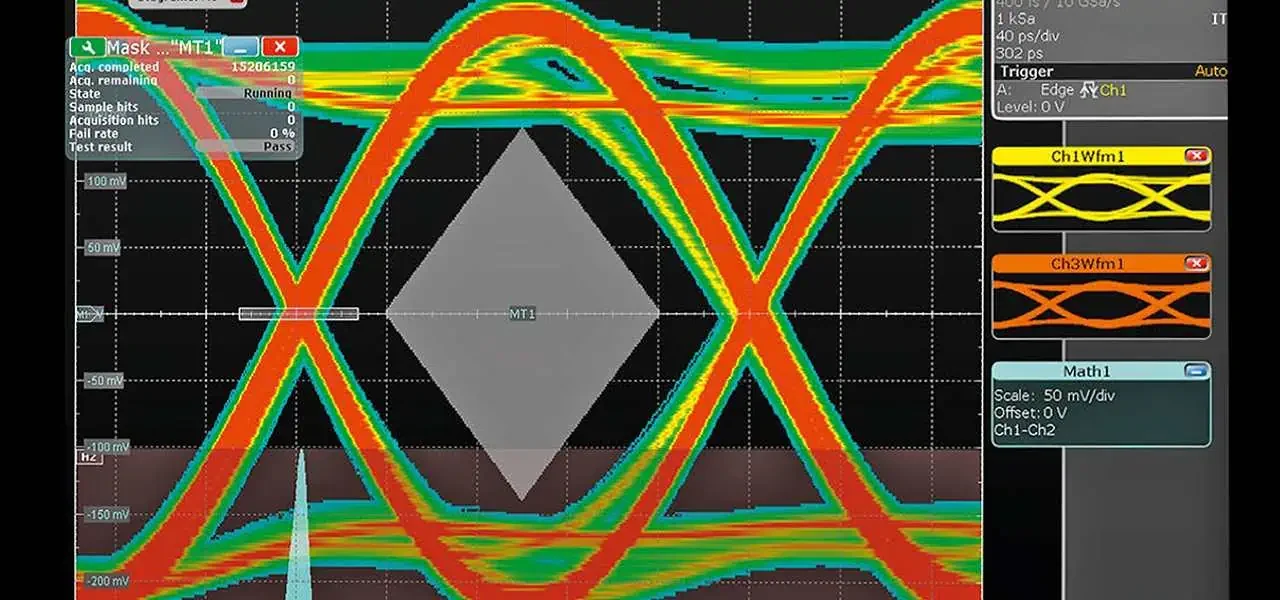
Low Loss Materials are a foundational requirement in modern PCB design where signal integrity, insertion loss, and timing accuracy directly determine system performance. As data rates increase and operating frequencies extend into multi-GHz and mmWave ranges, dielectric loss transitions from a secondary concern to a primary limiting factor in electronic system design. Why Low Loss...