KKPCB - KKPCB
 
HomeTag

KKPCB - KKPCB

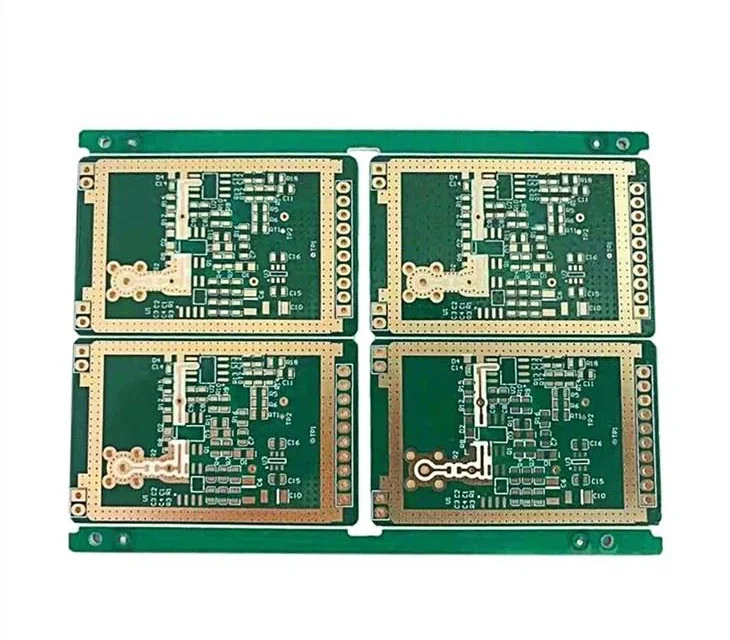
High Frequency Laminates Engineering for Low Loss, Impedance Stability, and RF Signal Integrity

High Frequency Laminates are specialized PCB materials engineered to support RF, microwave, and high-speed digital circuits operating in multi-GHz and mmWave frequency ranges. As signal frequencies increase, traditional FR-4 laminates introduce excessive dielectric loss, impedance drift, and phase instability, making material selection a primary electrical design decision rather than a secondary cost consideration. Why High...

BT Epoxy PCB Design for High-Reliability IC Packaging and High-Density Interconnect Applications

A BT Epoxy PCB is a material system specifically developed to meet the demands of semiconductor packaging, IC substrates, and high-density interconnect structures. Unlike general-purpose FR-4, BT epoxy resin is engineered for environments where thermal stability, dimensional control, and long-term reliability are non-negotiable design constraints. Material Characteristics of BT Epoxy PCB BT epoxy, derived from...

Designing Aluminum Nitride PCBs for High-Power, High-Temperature Electronic Systems

Aluminum Nitride PCB (AlN PCB) is a ceramic substrate technology specifically engineered for electronic systems where power density, thermal stress, and operating temperature exceed the limits of conventional PCB materials. In high-power and high-temperature environments, Aluminum Nitride PCBs serve not only as circuit carriers but as primary thermal management and reliability enablers. Why Aluminum Nitride...

Ceramic PCB Engineering for Power Density, Thermal Path Control, and Long-Term System Reliability

A Ceramic PCB is a substrate technology selected when thermal limits, electrical insulation, and mechanical stability become primary system constraints. In high-power and high-voltage electronic systems, ceramic substrates are not simply alternatives to organic laminates—they function as integrated thermal and structural elements within the overall design architecture. Ceramic PCB as a Thermal Path Element In...

PTFE PCB as a System-Level Choice for RF Accuracy, Phase Stability, and Loss Budget Control

In high-frequency electronic systems, a PTFE PCB is not selected to improve margins—it is selected because the loss budget leaves no alternative. When signal fidelity, phase coherence, and predictable impedance directly affect system functionality, PTFE-based laminates become a system-level engineering decision rather than a material upgrade. Why PTFE PCB Is Chosen at the Architecture Level...

Taconic PCB Design for High-Frequency Performance, Low Loss, and Signal Integrity in Advanced RF Applications

Taconic PCB materials are widely recognized in high-frequency and microwave PCB applications for their low dielectric loss, stable dielectric constant (Dk), and high thermal reliability. As RF and high-speed digital systems continue to demand higher bandwidths and tighter signal integrity, Taconic laminates provide a proven solution for minimizing insertion loss and maintaining performance consistency. Material...

Selecting an ATE PCB Supplier for High-Performance Automated Test Equipment Applications

An ATE PCB (Automated Test Equipment PCB) is a specialized circuit board designed to interface with test instrumentation for semiconductor devices, modules, and high-speed systems. A reliable ATE PCB supplier plays a critical role in ensuring signal integrity, mechanical precision, and long-term reliability in high-volume testing environments. Importance of High-Quality ATE PCBs ATE PCBs must...

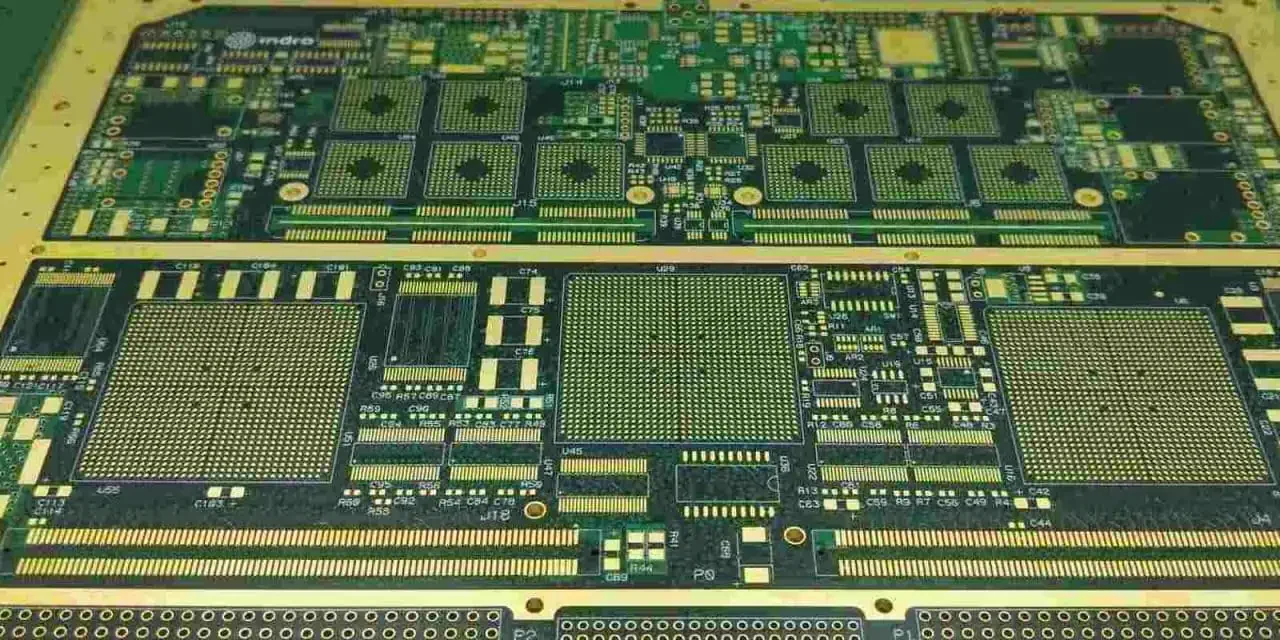
Hybrid PCB Materials for Optimized Signal Integrity, Thermal Management, and Reliability in Advanced Electronics

Hybrid PCB materials are engineered substrates that combine multiple material types to achieve optimized electrical, thermal, and mechanical performance in demanding electronic applications. By integrating properties of FR-4, high-frequency laminates, PTFE, or ceramic materials, hybrid PCBs enable designers to meet multi-domain requirements that a single material cannot satisfy. Material Characteristics of Hybrid PCB Materials The...

High TG Materials for Thermal Stability and Reliability in Advanced Multilayer PCBs

High TG materials are essential in modern PCB design where thermal performance, dimensional stability, and long-term reliability are critical. TG, or glass transition temperature, defines the point at which PCB substrates transition from a rigid to a more flexible state. Materials with high TG are engineered to maintain mechanical integrity, electrical performance, and impedance stability...

Low Loss Materials for High-Frequency and High-Speed PCB Signal Integrity Optimization

Low loss materials play a foundational role in modern PCB design where high-frequency, high-speed, and high-data-rate signals define system performance limits. As signal frequencies extend into multi-gigahertz and mmWave ranges, dielectric loss becomes a dominant factor affecting insertion loss, phase stability, and overall signal integrity. Selecting appropriate low loss materials is therefore a critical engineering...