KKPCB - KKPCB
 
HomeTag

KKPCB - KKPCB

Low Loss PCBs: Minimizing Signal Attenuation in High-Speed and RF Designs

Why Loss Matters in Modern PCB Design As data rates and frequencies continue to increase, signal loss becomes one of the primary limiting factors in PCB performance. In high-speed digital systems and RF designs, excessive loss leads to: Signal degradation and eye diagram closure Reduced transmission distance Increased bit error rates (BER) Lower system reliability...
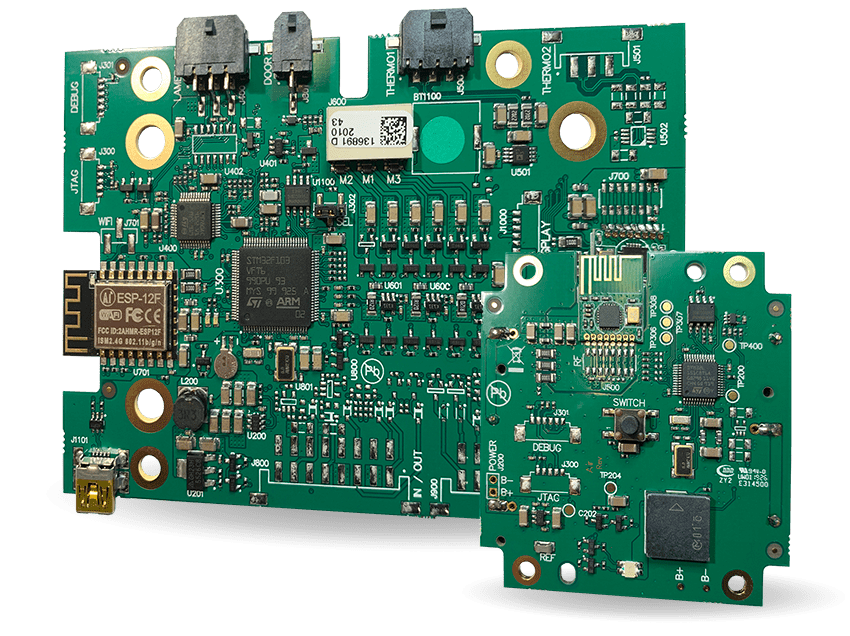
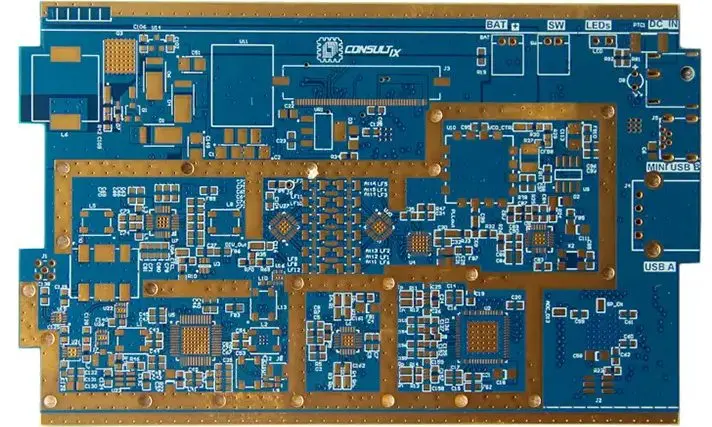
Custom ATE PCBs: Tailored Solutions for Precision Semiconductor Testing

Why Custom ATE PCBs Matter In semiconductor testing, off-the-shelf solutions rarely meet the requirements of modern devices. A Custom ATE PCB is specifically engineered to match the electrical, mechanical, and performance requirements of a particular device under test (DUT) and its associated test platform. Unlike general-purpose test boards, custom ATE PCBs are designed to: Match...

Multilayer Test PCBs: Reliable Platforms for High-Performance Electronic Testing

Role in Test Systems A Multilayer Test PCB is a specialized board used in electronic testing environments, particularly in systems involving Automated Test Equipment (ATE), validation platforms, and high-speed signal verification. Unlike standard PCBs, test boards are not part of the final product—they serve as temporary but critical platforms that ensure devices function correctly before...

HDI PCBs: High-Density Interconnect Solutions for Next-Generation Electronics

Why HDI PCBs Are No Longer Optional As electronic devices become smaller, faster, and more complex, traditional multilayer PCB designs struggle to keep up. HDI (High-Density Interconnect) PCBs address this challenge by enabling higher routing density, shorter signal paths, and better electrical performance. At the core of HDI technology is the use of: Microvias (laser-drilled...

High Pin Count PCBs: Enabling Complex Interconnections in Advanced Electronics

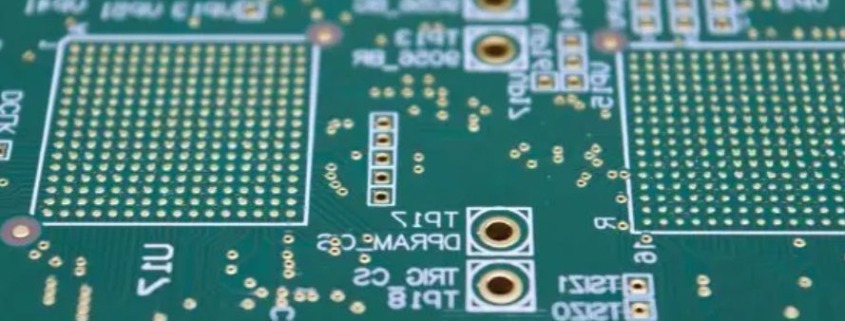
Why High Pin Count Matters As modern electronic systems evolve, integrated circuits such as CPUs, GPUs, FPGAs, and high-speed SoCs demand hundreds or even thousands of I/O connections. A High Pin Count PCB is designed to support these devices by enabling dense interconnections within limited board space. Unlike standard PCB designs, high pin count boards...

5G mmWave PCBs: Engineering for Ultra-High Frequency Performance

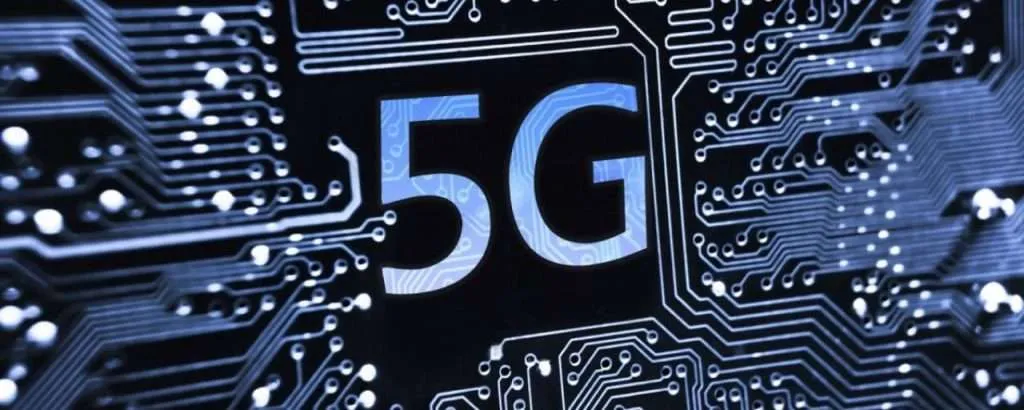
Why mmWave Changes Everything The transition from sub-6 GHz to millimeter wave (mmWave) frequencies fundamentally changes PCB design. Operating typically between 24 GHz and 100 GHz+, mmWave systems push PCB technology to its limits. At these frequencies, the PCB is no longer just a passive interconnect—it becomes an active part of the RF system, directly...

Duroid 6002 PCBs: Stable Dielectric Performance for Precision RF Designs

Why Duroid 6002? In RF and microwave PCB design, consistency is often more critical than absolute performance. Duroid 6002 PCB, based on Rogers RT/duroid 6002 laminate, is widely chosen for its exceptionally stable dielectric constant and predictable electrical behavior. With a dielectric constant (Dk) of approximately 2.94 and a low dissipation factor, this material offers...

Load Board PCBs: Critical Interfaces for Accurate Semiconductor Testing

Role in Test System A Load Board PCB serves as the primary electrical interface between Automated Test Equipment (ATE) and the Device Under Test (DUT). While probe cards operate at the wafer level, load boards are typically used in package-level testing, where ICs are already packaged and mounted into sockets. In a typical test setup,...

Probe Card PCBs: Precision Platforms for Semiconductor Testing

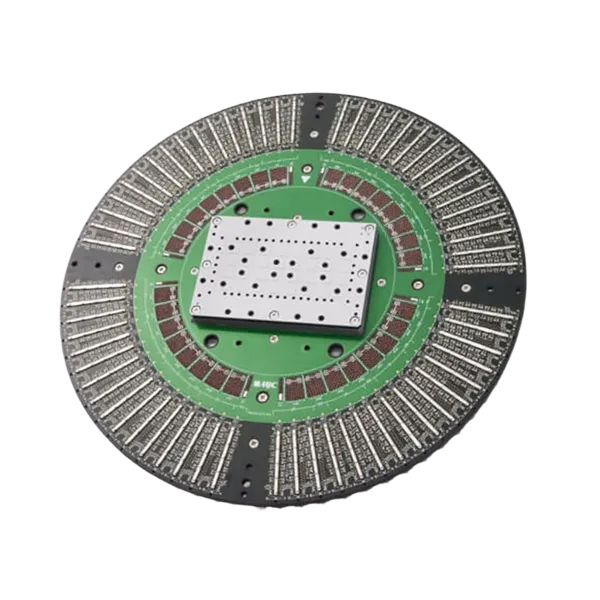
What Makes Probe Card PCBs Unique A Probe Card PCB is not a typical circuit board—it is a high-precision interface platform used in semiconductor wafer testing. It connects test equipment (ATE) to microscopic pads on silicon wafers through probe needles or MEMS structures. Unlike standard PCBs, probe card boards must support: Ultra-fine pitch interconnections High...

Buried Via PCBs: Strategic Layer Interconnects for High-Performance Designs

Why Buried Vias Matter As electronic systems become more compact and performance-driven, traditional via structures are no longer sufficient for complex routing requirements. A Buried Via PCB enables connections only between internal layers, eliminating unnecessary vertical paths through the entire board. This design approach is not just about saving space—it is about engineering control over...