High Thermal Conductivity PCB - KKPCB
 
HomeTag

High Thermal Conductivity PCB - KKPCB

Ultra-High-Thermal-Performance SiC PCB Engineering for Power Electronics and Wide-Bandgap Systems

Introduction: Why SiC PCB Matters in the New Era of Power Electronics Silicon Carbide (SiC) power devices are redefining the performance limits of modern power electronics. To unlock the true efficiency of SiC MOSFETs, SiC diodes, and SiC power modules, engineers require PCB platforms that can handle extreme thermal loads, high switching frequencies, and elevated...

Boost Mechanical Strength and Heat Dissipation Efficiency Through Al₂O₃ PCB Engineering for Automotive Control Units

Al₂O₃ PCB platforms have become a critical foundation for next-generation automotive control units, particularly in systems where high thermal load, vibration resistance, and electrical stability determine long-term reliability. As automotive architectures evolve toward high-power ADAS sensors, electric powertrain modules, and high-density ECU clusters, alumina PCB substrates provide the mechanical strength and heat dissipation efficiency required...

Improve Long-Term Reliability and Temperature Cycling Endurance Using Alumina PCB Platforms in High-Power LED Arrays

High-power LED systems require extreme reliability, efficient heat spreading, and stable electrical performance across thousands of thermal cycles. Alumina PCB, Alumina Ceramic PCB, and Al₂O₃ PCB substrates have become the preferred materials for LED lighting modules due to their high thermal conductivity, mechanical stability, and superior dielectric strength. 1. Heat Dissipation for High-Power LED Packages...

Aluminum Nitride PCB (AlN): Ultra-High Thermal Performance for Power, RF, and High-Temperature Electronics

Aluminum Nitride (AlN) PCBs are among the highest-performance substrate solutions available today for power electronics, high-temperature devices, RF systems, optoelectronics, and quantum-grade vacuum applications. With exceptional thermal conductivity, extremely low CTE, and outstanding dielectric properties, AlN substrates enable reliable operation in environments that exceed the limits of traditional materials like FR-4, IMS, or even aluminum...

Aluminum Oxide (Al₂O₃) Ceramic PCB: Properties, Types, Manufacturing Process, and Industry Applications

Introduction to Aluminum Oxide (Al₂O₃) Ceramic PCBs In the field of printed circuit board (PCB) manufacturing, the choice of substrate material plays an essential role in determining the product’s performance, reliability, and heat dissipation capability. Ceramic PCBs—particularly those using Aluminum Oxide (Al₂O₃)—have become increasingly popular due to their outstanding thermal and electrical properties. This article...

Ceramic PCB Technology: Redefining Thermal Management and Reliability in Modern Electronics

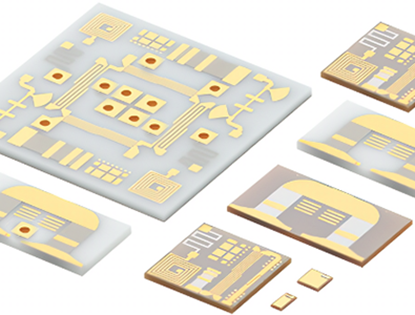
Ceramic PCBs represent a significant advancement in electronic circuit technology, purpose-built for environments where heat management, miniaturization, and long-term durability are essential. Unlike conventional FR-4 boards made from organic laminates, ceramic PCBs use high-performance substrates such as Alumina (Al₂O₃), Aluminum Nitride (AlN), and Beryllium Oxide (BeO). These materials deliver outstanding thermal conductivity, mechanical strength, and...

Aluminum Nitride PCB (AlN PCB): High Thermal Conductivity Ceramic Circuit Board Solutions

Unleashing Thermal Power: Aluminum Nitride (AlN) PCB for Next-Generation Electronics IntroductionAt KKPCB, we understand that advanced electronics demand equally advanced substrates. Aluminum Nitride (AlN) PCB represents the forefront of ceramic circuit board technology — a material engineered to deliver unmatched heat dissipation, electrical insulation, and mechanical stability. Unlike traditional FR-4 laminates, AlN PCBs use aluminum...