High Pin Count PCB - KKPCB
 
HomeTag

High Pin Count PCB - KKPCB

High Pin Count PCB: Enabling Dense Interconnects for Advanced Semiconductor and High-Speed Systems

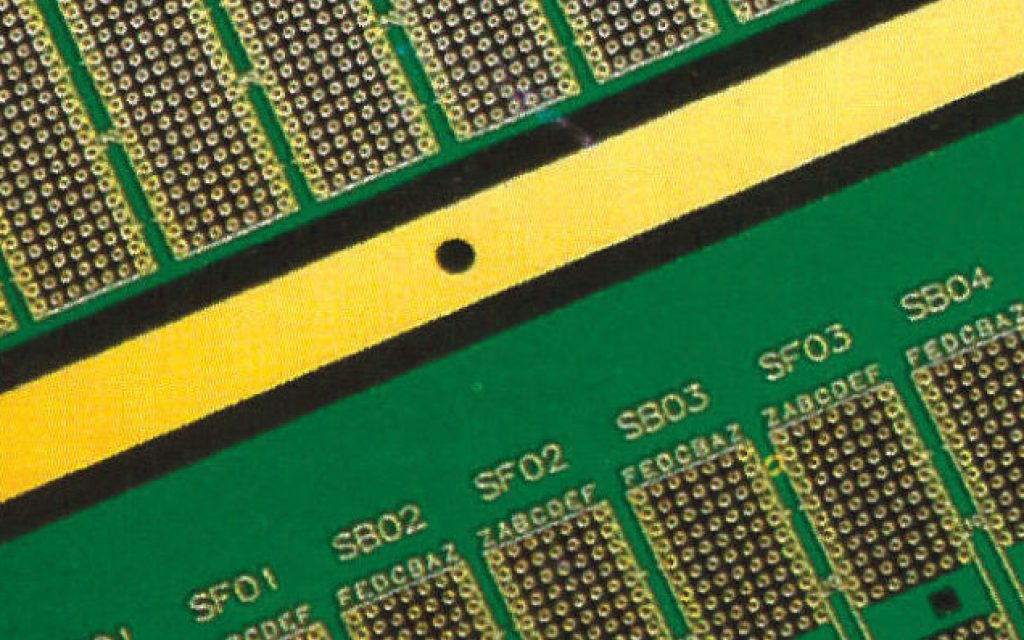
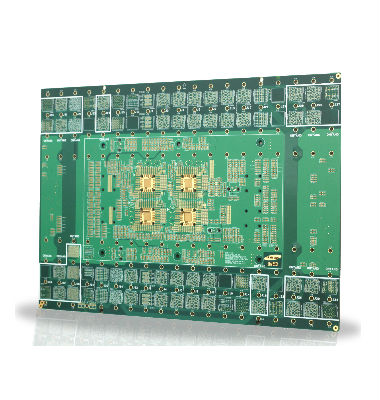
As semiconductor devices and high-performance modules continue to scale in complexity, the number of required electrical connections has increased dramatically. The High Pin Count PCB is designed to manage hundreds or even thousands of pins while maintaining signal integrity, mechanical reliability, and manufacturability. A well-designed High Pin Count PCB is critical for advanced computing, communication,...

Test Socket PCB: Designing Stable, Long-Life Interfaces for High-Cycle Semiconductor Testing

In semiconductor mass production, testing does not fail because of the device alone—very often, failures originate from unstable test interfaces. The Test Socket PCB plays a decisive role in ensuring that electrical contact, signal transmission, and mechanical alignment remain consistent across thousands or even millions of test cycles. A professionally designed Test Socket PCB directly...

Load Board PCB: High-Reliability Test Interfaces for High-Volume Semiconductor Production

In semiconductor mass production, test throughput and consistency are just as important as accuracy. The Load Board PCB is a critical interface between automated test equipment (ATE) and packaged semiconductor devices, ensuring reliable electrical connection and repeatable test performance during high-volume production. A well-designed Load Board PCB minimizes downtime, reduces false failures, and supports long-term...

Semiconductor Test PCB: Reliable Test Platforms from Wafer Validation to Final Device Qualification

Semiconductor devices must pass multiple test stages before entering mass production and end-use applications. At every stage, the Semiconductor Test PCB plays a vital role in ensuring accurate measurement, stable operation, and repeatable test results. Whether used in wafer probing, package testing, or final system validation, a well-designed semiconductor test PCB directly impacts yield, reliability,...

ATE Test PCB: Ensuring Reliable and Repeatable Performance in Automated Test Systems

Automated Test Equipment (ATE) is the backbone of modern semiconductor validation and mass production. At the center of every ATE system is the ATE Test PCB, which directly affects test accuracy, yield stability, and long-term reliability. A well-engineered ATE test PCB ensures that measured performance reflects the device under test—not limitations of the test hardware....

Custom ATE PCB: Tailored Test Interfaces for Accurate and Scalable Semiconductor Testing

Automated Test Equipment (ATE) platforms are highly configurable, but their performance ultimately depends on how well the test interface matches the device under test. A Custom ATE PCB is specifically designed to bridge this gap by aligning electrical, mechanical, and system-level requirements for accurate and repeatable semiconductor testing. Unlike off-the-shelf boards, a custom ATE PCB...

Multilayer Test PCB: Building Stable and Scalable Platforms for Advanced Electronic Testing

As electronic devices and semiconductor systems grow more complex, test requirements evolve beyond what simple PCB structures can support. The Multilayer Test PCB provides the routing density, electrical isolation, and power stability required for accurate, repeatable testing across development and production stages. A professionally engineered Multilayer Test PCB ensures that test results remain consistent as...

High Pin Count PCB: Enabling Dense Interconnection for Advanced Electronic and Semiconductor Systems

As electronic systems continue to integrate more functionality into smaller form factors, the number of signal, power, and ground connections continues to rise. The High Pin Count PCB is specifically engineered to manage thousands of interconnections while maintaining electrical integrity, mechanical reliability, and manufacturability. A professionally designed High Pin Count PCB is essential for modern...

Test Socket PCB: Ensuring Reliable Electrical Contact in High-Volume Semiconductor Testing

In semiconductor production testing, accurate results depend not only on test equipment and software but also on the physical interface between the device under test (DUT) and the test system. The Test Socket PCB plays a critical role by providing a stable electrical and mechanical foundation for test sockets used in engineering validation and mass...

Load Board PCB: Delivering Stable, High-Accuracy Interfaces for Semiconductor Production Testing

In high-volume semiconductor manufacturing, production testing must be fast, repeatable, and extremely reliable. At the center of this process is the Load Board PCB, a critical interface that connects automated test equipment (ATE) to the device under test (DUT). A well-designed Load Board PCB ensures that every device is evaluated under identical electrical conditions, enabling...