HomeTag

High Frequency Sensor PCB - KKPCB

High Frequency Sensor PCB: Advanced RF PCB Solutions for Precision Sensing and Real-Time Signal Processing

The Growing Demand for High Frequency Sensor PCB Technology Modern sensing technologies are rapidly evolving toward: Higher operating frequencies Real-time signal acquisition Faster wireless communication Compact sensor integration Intelligent data processing Applications such as: Automotive radar systems Industrial IoT sensors Aerospace monitoring equipment Medical imaging systems Smart manufacturing platforms require highly reliable High Frequency Sensor...
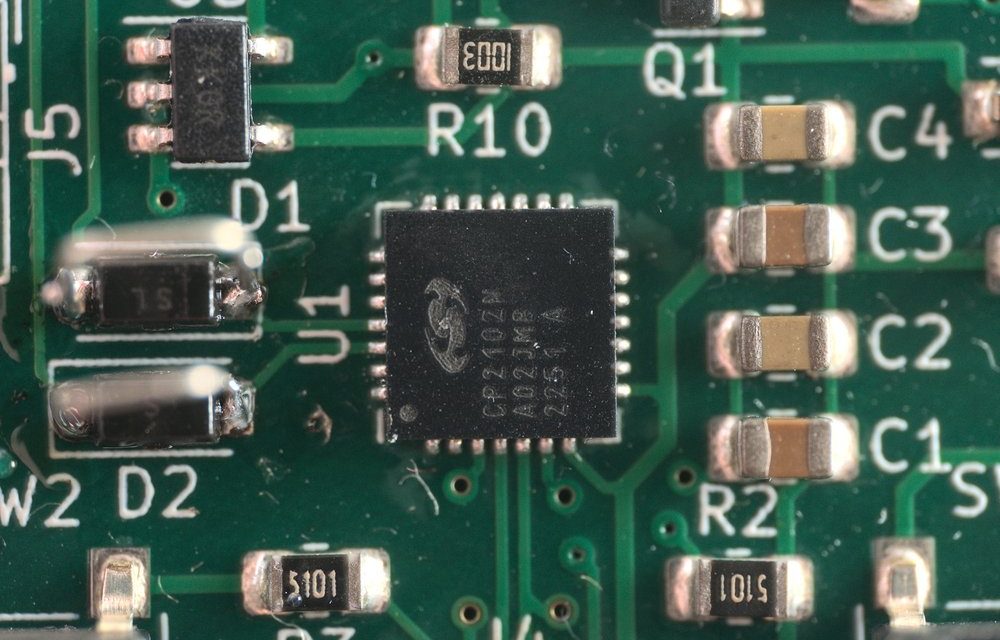
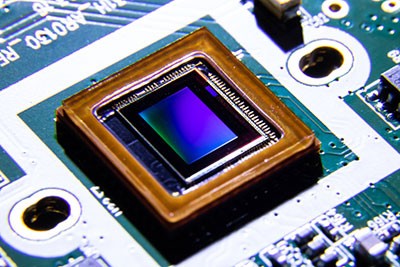
High Frequency Sensor PCB – Precision Low-Loss PCB for RF and Microwave Sensing Applications

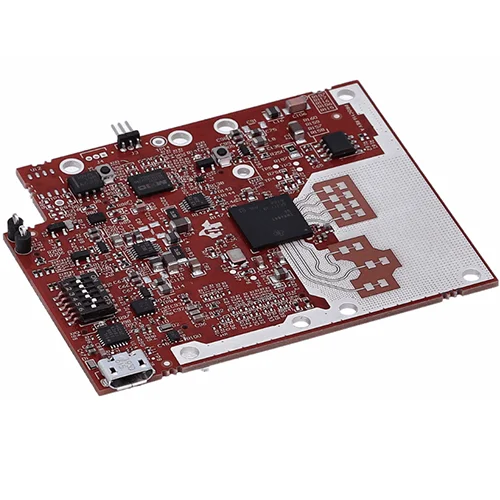
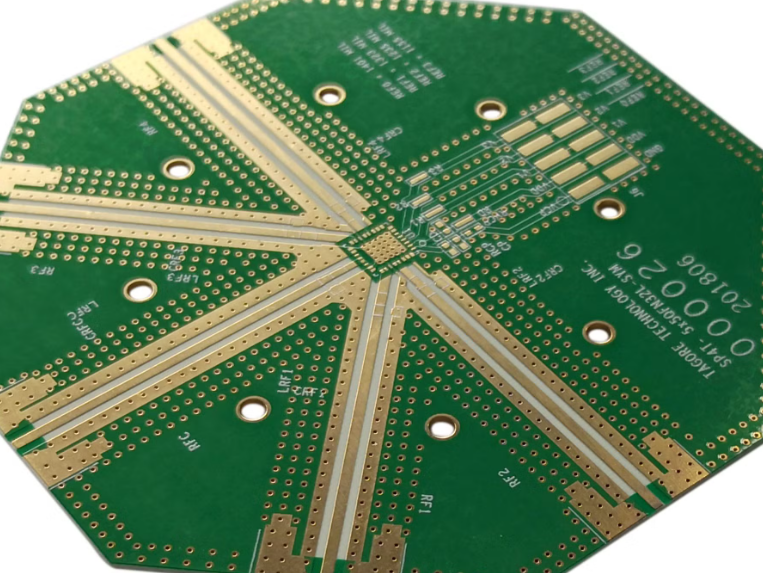
What Is a High Frequency Sensor PCB? A High Frequency Sensor PCB is a specialized printed circuit board engineered to support sensors operating in RF and microwave frequency ranges. These boards are designed to maintain signal accuracy, minimize transmission loss, and ensure stable performance under demanding environmental conditions. High-frequency sensors are widely used in: Radar...

mmWave Module PCB – High Frequency PCB for 5G and Radar Applications

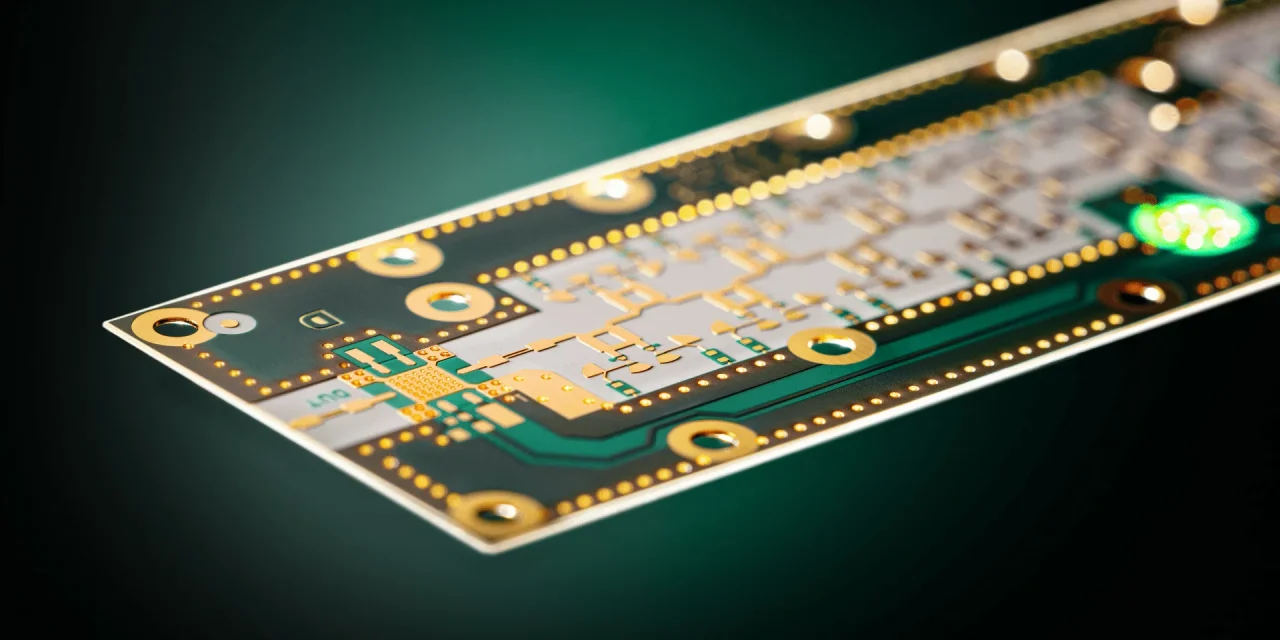
What Is an mmWave Module PCB? An mmWave Module PCB is a high frequency printed circuit board specifically designed for millimeter-wave applications (30–300 GHz), including: 5G communication modules Automotive radar systems High frequency IoT devices Satellite communication modules mmWave Module PCB ensures low signal loss, precise impedance control, and stable RF performance for high frequency...

High Frequency Sensor PCB: Precision PCBs for RF and High-Speed Sensor Applications

What Is a High Frequency Sensor PCB? A High Frequency Sensor PCB is a specialized printed circuit board engineered for high-frequency signal processing in sensors, such as radar, LiDAR, mmWave, and RF sensing modules. These PCBs are designed to maintain signal integrity, minimize insertion loss, and provide accurate impedance control, which are critical for precise...

Boost High-Q Resonance and Ultra-Stable Impedance Control with High-Frequency Sensor PCB Structures for Aerospace Navigation Sensors

Aerospace navigation sensors operate in a realm where the margin for error is essentially zero. Whether guiding autonomous aircraft, stabilizing flight control modules, or supporting satellite-assisted positioning, these sensors rely on high-frequency PCB platforms engineered for absolute electrical stability. Achieving high-Q resonance and ultra-consistent impedance is not just a design preference—it is the foundation of...

Enhance Signal Accuracy and Low-Noise Stability with High Frequency Sensor PCB Platforms for Industrial IoT Detection Systems

Industrial IoT detection systems rely on a dense network of sensors for accurate monitoring of environmental parameters, machinery status, and process analytics. High frequency sensor PCBs must maintain low insertion loss, high signal-to-noise ratio, and phase-stable routing across multiple sensor channels to ensure reliable data acquisition. High frequency sensor PCB laminates (Dk = 3.2 ±...

Optimize RF Transmission and Phase Consistency Using High-Frequency Sensor PCB Laminates in Automotive ADAS Sensing Modules

The Role of High-Frequency PCB in Automotive ADAS Sensing Systems Next-generation automotive ADAS (Advanced Driver Assistance Systems) rely on high-performance sensing technologies, including 77–81 GHz radar, LiDAR, and mmWave sensor arrays, to achieve accurate object detection, adaptive cruise control, collision avoidance, and autonomous driving functions. At these high frequencies, PCB performance directly affects radar accuracy...

Reduce Electromagnetic Drift and Improve Wideband Sensitivity Through High Frequency Sensor PCB Engineering for Medical Diagnostic Sensors

Medical diagnostic sensors have shifted toward high-frequency, microwave-based detection architectures to improve resolution, penetration depth, and signal precision. High Frequency Sensor PCB platforms now form the RF backbone of sensing modules used in MRI coils, millimeter-wave tissue scanners, microwave breast-imaging units, vital-sign monitoring radars, and non-contact biomedical sensors. These RF sensor PCB systems require extremely...