KKPCB Blog – PCB & PCBA Insights, News, and Tips - KKPCB
 

Blog

Explore the KKPCB Blog for the latest PCB manufacturing and assembly news, industry insights, expert tips, and technology trends, helping you stay informed and optimize your electronics projects.
Reduce Insertion Loss and Boost Antenna Performance with Next-Gen 5G Router PCB Platforms

Next-generation 5G router PCB engineering is reshaping the performance limits of consumer and enterprise wireless systems. As 5G routers, gateways, mesh nodes, and outdoor CPE units push into wider sub-6 GHz and emerging FR1/FR2 ranges, the PCB becomes far more than a mechanical carrier—it is the decisive RF medium that determines insertion loss, antenna efficiency,...
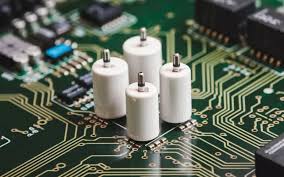
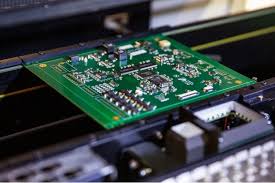
Boost Mechanical Strength and Heat Dissipation Efficiency Through Al₂O₃ PCB Engineering for Automotive Control Units

Al₂O₃ PCB platforms have become a critical foundation for next-generation automotive control units, particularly in systems where high thermal load, vibration resistance, and electrical stability determine long-term reliability. As automotive architectures evolve toward high-power ADAS sensors, electric powertrain modules, and high-density ECU clusters, alumina PCB substrates provide the mechanical strength and heat dissipation efficiency required...

Enhance Signal Integrity and Thermal Reliability with ADAS PCB Platforms for Automotive Radar Systems

Advanced Driver Assistance Systems rely heavily on 77 GHz automotive radar modules, where the ADAS PCB directly determines signal integrity, insertion loss, dielectric stability, and system-level thermal reliability. As radar sensors expand from single-beam to multi-beam architectures, PCB materials and stackup selection have become primary constraints for RF linearity and long-distance object detection. The objective...

Extend Thermal Robustness and RF Power Efficiency with RO4835 PCB Substrates in High-Density Microwave Power Amplifier Platforms

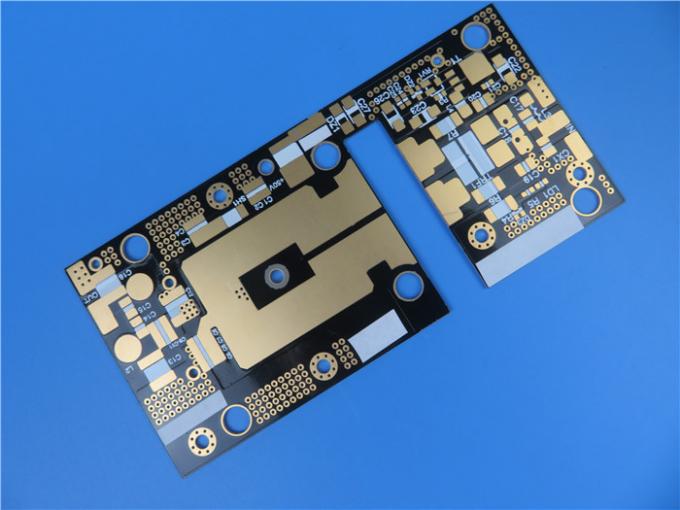
High-density microwave power amplifier platforms demand PCB materials capable of maintaining stable dielectric performance, high RF power efficiency, and long-term thermal robustness under continuous high-power loads. RO4835 PCB substrates are engineered precisely for these conditions. By combining a tightly controlled dielectric constant, low dissipation factor, and excellent oxidative stability, RO4835 PCBs offer a reliable foundation...

Achieve Ultra-Consistent Dk/Df Performance Through RO4835 PCB Engineering for 5G Massive-MIMO Radio Units

5G Massive-MIMO radio units rely on a tightly controlled dielectric environment where even slight variations in Dk and Df can break phase alignment across large antenna arrays. The RO4835 PCB platform has become a preferred low-loss material for high-frequency RF layers thanks to its exceptional dielectric stability, low insertion loss, oxidation-resistant resin system, and long-term...

Ten Tips for Designing Automotive PCBs

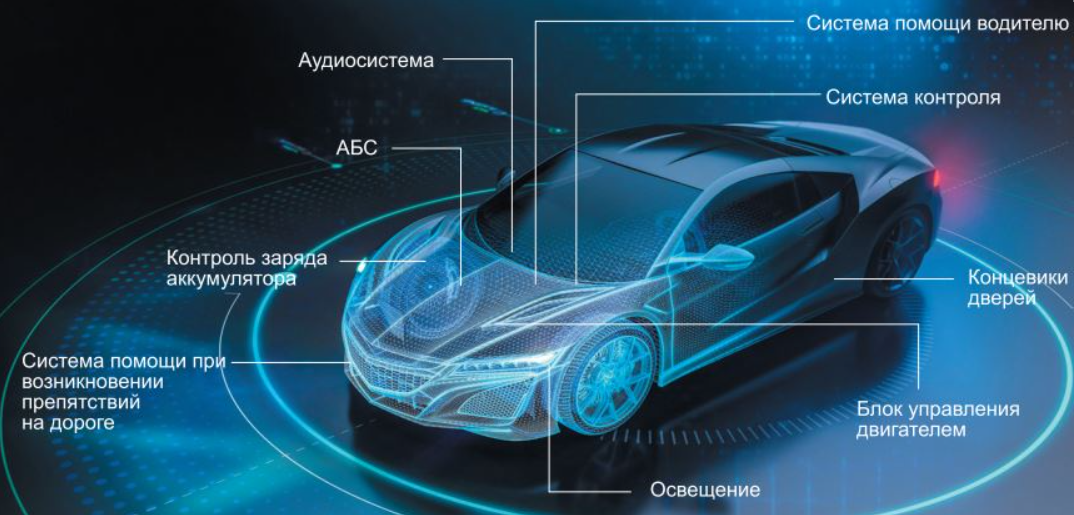
The high level of competition in the modern automotive electronics market encourages manufacturers to constantly introduce new technologies and improve existing features, such as autopilot, automatic parking, emergency braking, keyless start, lane keeping control, and the like. Printed circuit boards (PCBs) are an essential and integral part of any electronic device in a vehicle. Their quality and...

Advantages, Challenges, and Design Considerations in Modern PCB Manufacturing

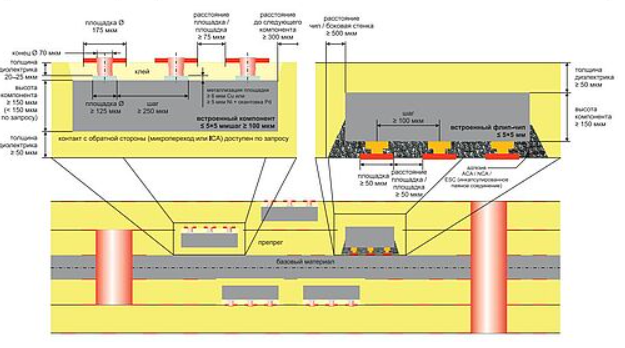
The Evolution of Embedded Component Technology in Modern Electronics Looking back at the evolution of computing—from Apollo workstations and early mainframes to ultrathin laptops and smartphones—the miniaturization of electronic components has always been central to technological progress. As devices become smaller and more powerful, engineers must balance form factor, functionality, PCB materials, signal integrity, power...

Warm-Metallurgy Processing Enables High Ductility and Ultra-High Mobility Films

Warm-Metallurgy Breakthrough Expands the Capabilities of Inorganic Semiconductors Inorganic semiconductors are known for their excellent electrical properties but suffer from extreme brittleness at room temperature. This limitation has historically required complex, costly deposition technologies and made these materials unsuitable for flexible and wearable electronics. Recent research from Chinese scientists presents a major breakthrough, offering a...

Impedance Matching in HDI PCB Design

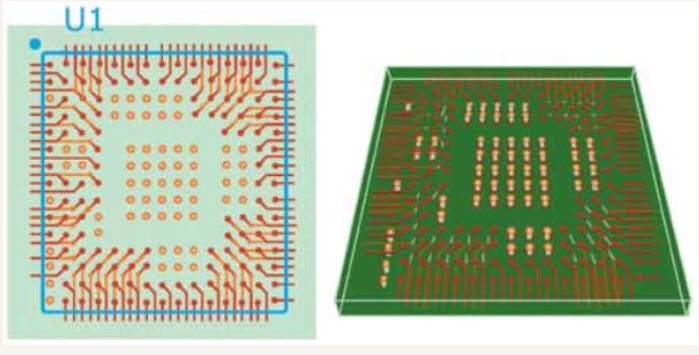
Impedance matching in HDI ( High- Density Interconnect ) boards is intended to prevent transmission errors, especially losses caused by transmission line resistance and the dielectric properties of the printed circuit board. Microvias can be used to create manufacturing-friendly PCB layouts in impedance-matched systems. BGA escape routing and dogbone fanout structures enable impedance matching in HDI PCBs. When do PCB traces...