Latest Electronics Industry News & PCB Insights - KKPCB
 
HomeCategory

Latest Electronics Industry News & PCB Insights - KKPCB

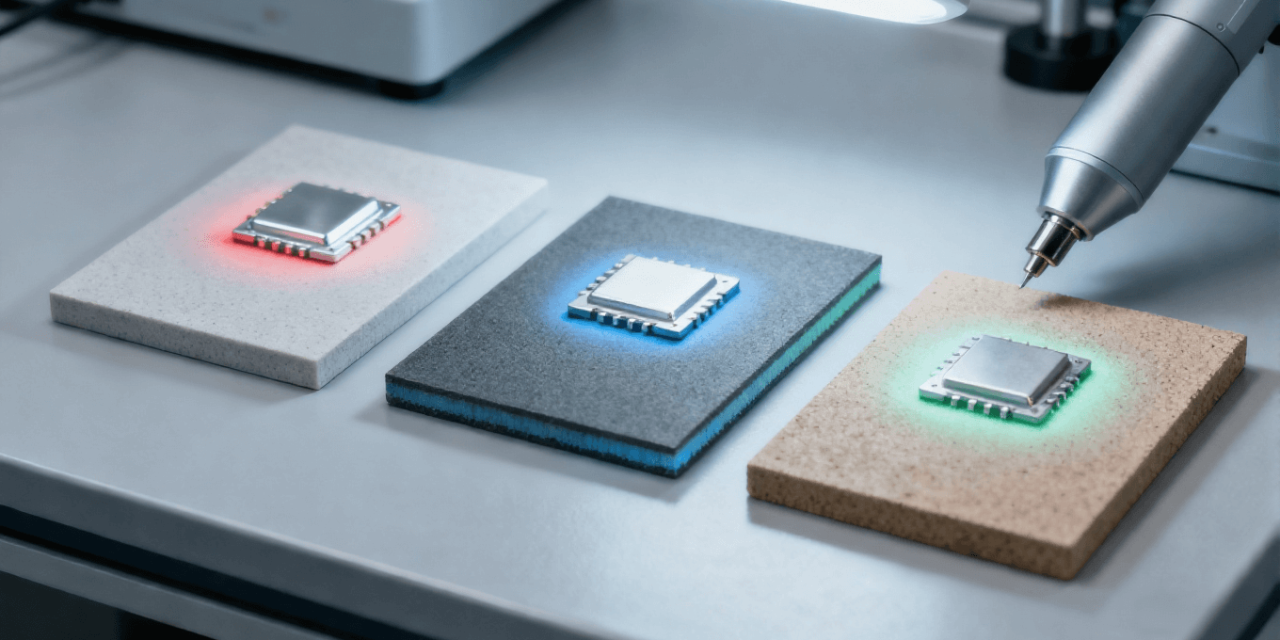
Ultra-High-Thermal-Performance SiC PCB Engineering for Power Electronics and Wide-Bandgap Systems

Introduction: Why SiC PCB Matters in the New Era of Power Electronics Silicon Carbide (SiC) power devices are redefining the performance limits of modern power electronics. To unlock the true efficiency of SiC MOSFETs, SiC diodes, and SiC power modules, engineers require PCB platforms that can handle extreme thermal loads, high switching frequencies, and elevated...
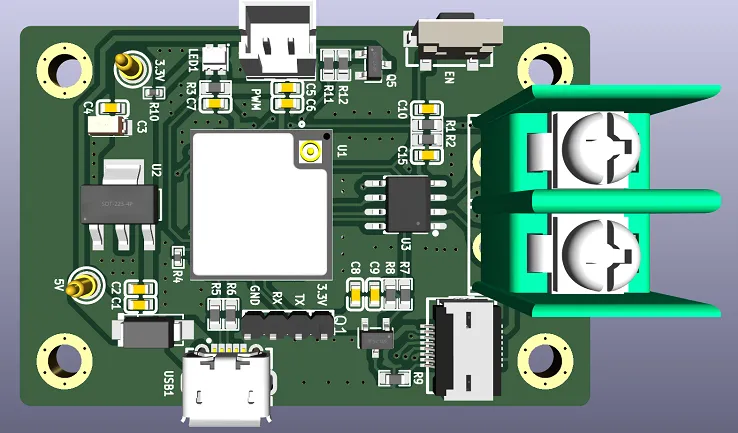
Smart Factory PCB Engineering for IIoT Intelligence, Autonomous Production, and Next-Generation Industrial Control

As global manufacturing transitions into fully connected, autonomous, data-driven ecosystems, the Smart Factory PCB has become the central hardware platform enabling real-time monitoring, predictive analytics, robotic coordination, and closed-loop industrial automation. Every intelligent machine, from PLC control modules to AMR robots and sensor gateways, relies on a high-reliability Smart Factory PCB to operate with precision...

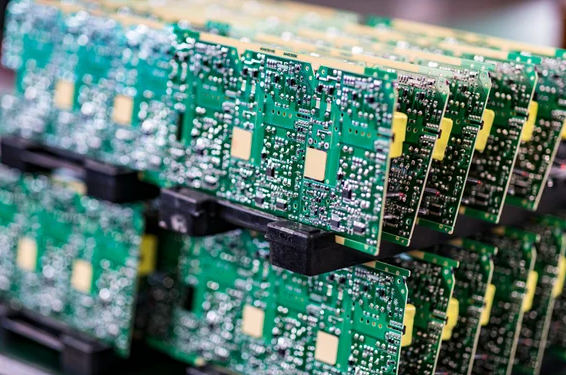
High Speed PCB Engineering for Signal Integrity, Power Integrity, and Ultra-Low-Latency Electronic Systems

As modern electronics become faster, more compact, and more data-intensive, the High Speed PCB has evolved into a critical engineering platform for communication systems, servers, AI accelerators, radar units, embedded computing modules, and advanced industrial electronics. A well-engineered High Speed PCB ensures clean signal transmission, stable power behavior, and low-jitter operation across multi-gigabit channels. High-speed...

Industrial Automation PCB Engineering for High-Reliability Control, Sensing, and Real-Time Manufacturing Systems

In the accelerating era of Industry 4.0 and intelligent manufacturing, the Industrial Automation PCB has become the fundamental hardware platform enabling stable operation of automated production lines, robotic motion systems, IIoT equipment, and mission-critical industrial controllers. A high-quality Industrial Automation PCB determines whether robotic actuators synchronize accurately, whether PLC modules communicate without latency, and whether...

Smart Factory PCB Architecture for Intelligent Automation and Next-Generation Industrial Control

In modern industrial environments, the Smart Factory PCB has become the central hardware platform enabling intelligent automation, data-driven processes, and high-efficiency production lines. From robotics control systems to IIoT gateways and predictive-maintenance devices, the Smart Factory PCB is the critical foundation that supports real-time communication, robust power delivery, and mission-critical processing. The shift toward interconnected...

Duroid 6010 PCB Engineering: Ultra-High Dielectric, Low-Loss Design for RF, Microwave, and Aerospace Systems

Duroid 6010 PCB, based on Rogers RT/duroid® 6010LM material, is one of the most critical substrates used in microwave, RF, aerospace, satellite, and defense systems. Known for its ultra-high dielectric constant (Dk ≈ 10.2) and extremely low dissipation factor, Duroid 6010 PCB enables the miniaturization of RF paths, improved resonator stability, and enhanced signal precision...

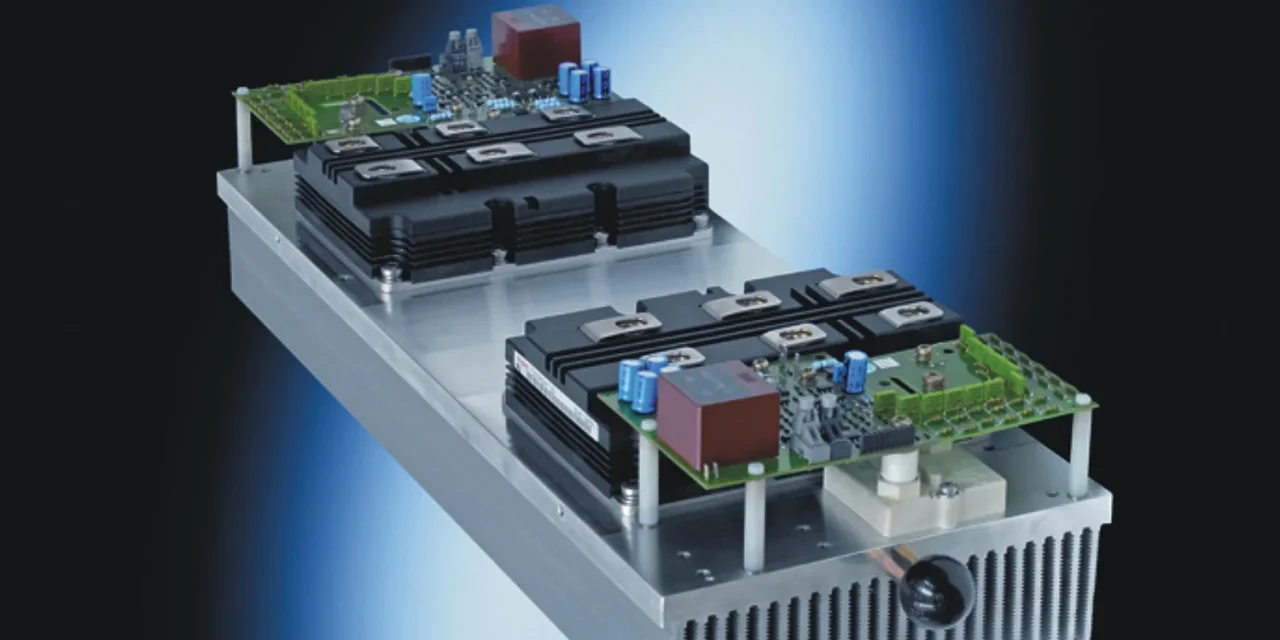
SiC PCB Technology: High-Thermal, High-Voltage, and High-Frequency Engineering for Wide-Bandgap Power Systems

Silicon Carbide (SiC) PCB technology is transforming the landscape of high-power, high-frequency, and high-temperature electronics. As electric vehicles, renewable energy converters, aerospace systems, and industrial automation demand greater efficiency and reliability, SiC PCBs provide the thermal conductivity, voltage endurance, and switching performance required for next-generation power platforms. Unlike traditional FR-4 or low-temperature laminates, SiC PCB...

Robotics PCB Architecture: High-Density, High-Speed, and High-Reliability Engineering for Autonomous and Industrial Robotics

Modern robotics systems—whether industrial robots, autonomous mobile robots (AMRs), AGVs, or collaborative robots—depend on advanced Robotics PCBs as the central platform for sensing, computation, and motion control. As robotic applications expand into high-precision manufacturing, warehouse automation, healthcare, and defense, the engineering requirements for Robotics PCB design continue to escalate.This article explores the core engineering principles...

SiC PCB Engineering: High-Temperature, High-Power, and High-Reliability Solutions for Next-Generation Electronics

Silicon Carbide (SiC) PCBs are rapidly becoming essential for advanced power electronics, electric vehicles, aerospace systems, and industrial automation due to their ability to operate at higher temperatures, voltages, and frequencies than traditional FR-4 or standard ceramic substrates. SiC PCBs integrate wide-bandgap semiconductor technology directly with optimized thermal and electrical performance to support next-generation applications....

Advanced Robotics PCB Design: Optimizing Signal Integrity, Power Distribution, and Sensor Integration for Industrial Automation

Modern industrial automation, autonomous robots, and collaborative robotic systems depend heavily on Robotics PCBs as the central electronic platform for control, sensing, and communication. Engineers designing Robotics PCBs face unique challenges: ensuring low-latency signal transmission, maintaining power stability for high-current actuators, integrating a diverse set of sensors, and protecting sensitive electronics from electromagnetic interference. 1....