HomeTag

Differential Pair PCB - KKPCB

Signal Integrity PCB Design for High-Speed and High-Frequency Electronics

What Is a Signal Integrity PCB? A Signal Integrity PCB is a printed circuit board specifically designed to preserve the quality, timing, and accuracy of electrical signals as they propagate through high-speed and high-frequency circuits. As signal speeds increase and edge rates become faster, maintaining signal integrity (SI) becomes a critical factor in overall system...

High Speed Logic PCB: Optimized Design for Fast Digital Circuits and Reliable Performance

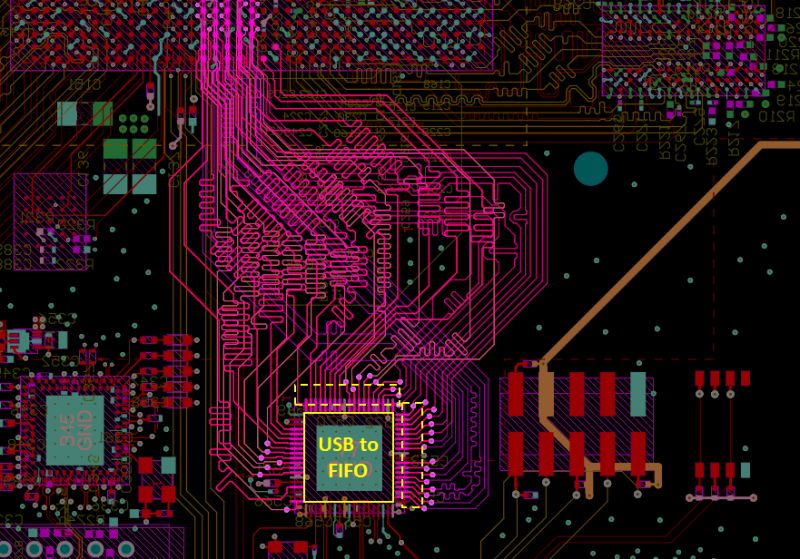
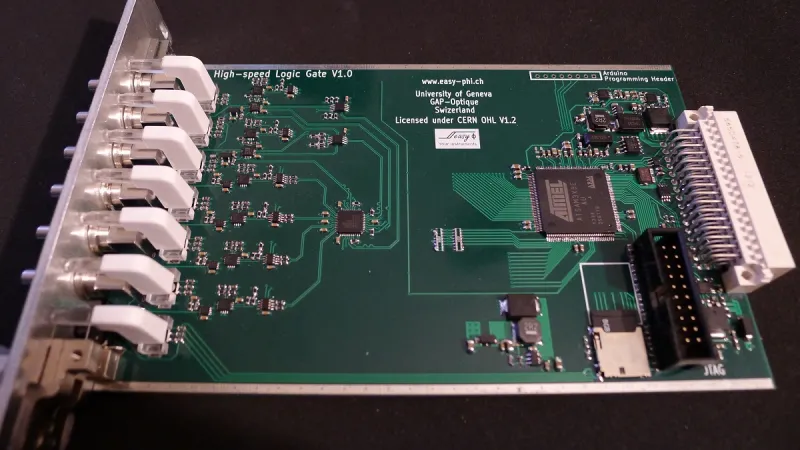
Introduction to High Speed Logic PCB A High Speed Logic PCB is designed to support ultra-fast digital circuits while maintaining signal integrity, low noise, and reliable operation. These PCBs are critical for modern electronics, where data rates and clock frequencies are continually increasing, such as in computing, networking, 5G communications, automotive ECUs, and IoT devices....

Signal Integrity PCB: Ensuring High-Speed, Low-Noise Performance in Advanced Electronics

What Is a Signal Integrity PCB? A Signal Integrity PCB is engineered to maintain clean, reliable, and distortion-free signal transmission in high-speed and high-frequency electronic systems. Signal degradation, crosstalk, and reflections can compromise system performance, especially in high-speed digital, RF, 5G, IoT, and high-performance computing applications. Signal integrity PCB design ensures consistent impedance, controlled trace...

Differential Pair PCB: High-Speed PCB Design for Signal Integrity and Noise Reduction

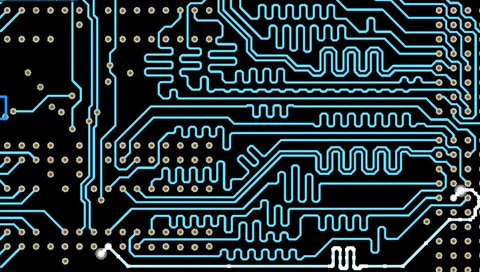
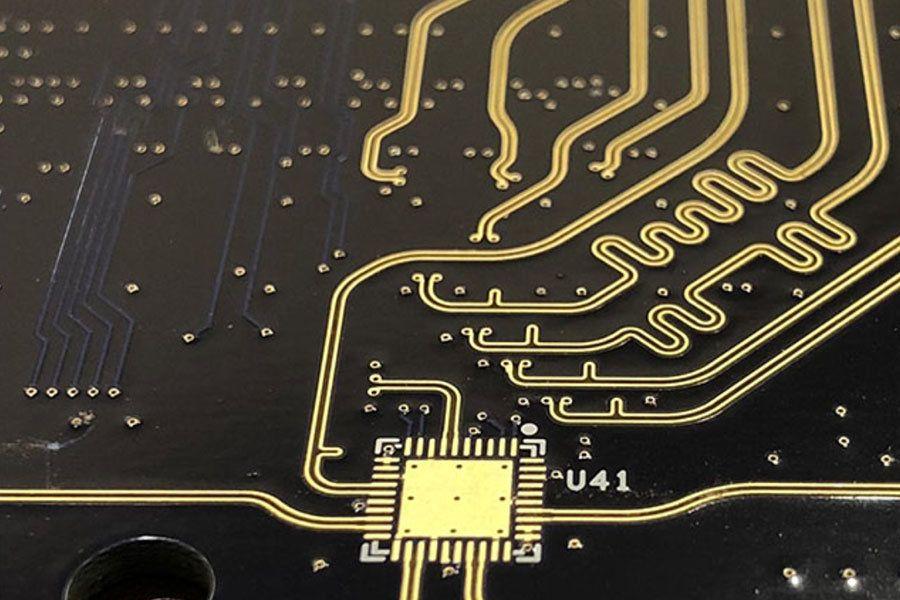
What Is a Differential Pair PCB? A Differential Pair PCB is a specialized printed circuit board designed with paired traces carrying equal and opposite signals. This design minimizes electromagnetic interference (EMI), reduces signal crosstalk, and maintains high-speed signal integrity. Differential pair PCBs are critical in applications where accurate high-speed data transmission is required, such as...

High Speed Test PCB: Signal Integrity and Timing Accuracy for High-Speed Digital Validation

As data rates continue to increase, validating high-speed digital interfaces requires test platforms that introduce minimal distortion. The High Speed Test PCB is engineered to act as a transparent signal medium, enabling accurate characterization of high-speed devices and systems. A well-designed high speed test PCB ensures that test results reflect real device performance rather than...

High Speed PCB Engineering for Signal Integrity, Power Integrity, and Ultra-Low-Latency Electronic Systems

As modern electronics become faster, more compact, and more data-intensive, the High Speed PCB has evolved into a critical engineering platform for communication systems, servers, AI accelerators, radar units, embedded computing modules, and advanced industrial electronics. A well-engineered High Speed PCB ensures clean signal transmission, stable power behavior, and low-jitter operation across multi-gigabit channels. High-speed...

Improve Multi-Gigabit Transmission and Low-Loss Routing Through Impedance Controlled PCB Engineering for Data Center Switches

Modern data center switches demand high-speed, multi-gigabit transmission across densely packed PCB layers. Maintaining low insertion loss, tight impedance control, and minimal crosstalk is critical to guarantee reliable signal integrity, reduce latency, and preserve network throughput. Impedance-controlled PCB architectures provide predictable high-frequency performance for differential pair routing and dense multilayer stackups. KKPCB leverages precision lamination,...

Optimize Differential Pair Accuracy and Reduce Crosstalk Using Impedance Controlled PCB Laminates in Automotive ADAS Radar Units

Automotive ADAS radar systems are now operating at higher frequencies, tighter channel spacing, and more aggressive signal-processing thresholds than ever. Under these conditions, the performance of an Impedance Controlled PCB becomes a dominant factor shaping radar detection accuracy, phase stability, and immunity to signal degradation. Engineering teams focusing on 77–79 GHz radar modules increasingly recognize...