Advanced Engineering Technologies for PCB & PCBA Solutions - KKPCB
 
HomeCategory

Advanced Engineering Technologies for PCB & PCBA Solutions - KKPCB

Issues to Consider in the Production of High-Frequency Microwave Printed Circuit Boards (PCBs)

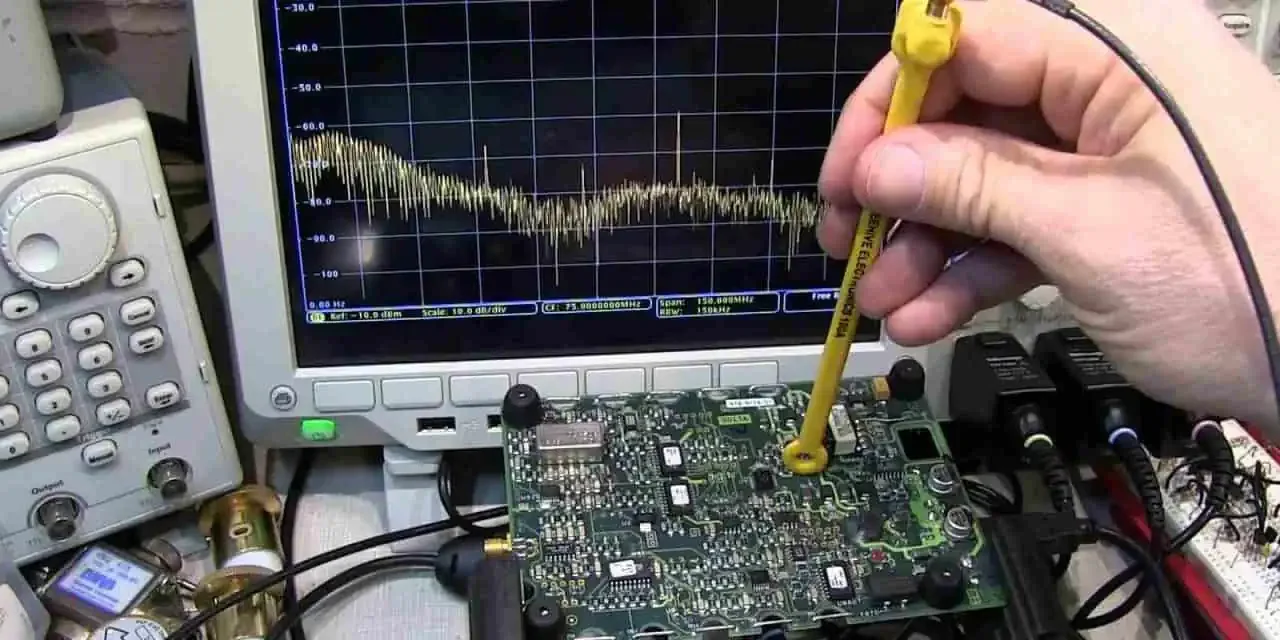
With the continuous development of high-frequency electronic devices, especially in wireless networks and satellite communications, information products are becoming faster and higher in frequency, and communication products are moving towards large capacity and high-speed wireless transmission for voice, video, and data standardization. As a result, the next generation of products requires high-frequency substrates. The process...

What is a High Frequency PCB?

High-frequency PCBs are specialized circuit boards designed to transmit signals over a gigahertz (GHz) frequency range, ensuring quick and reliable communication in devices ranging from military radar systems to smartphones. These boards maintain signal integrity even at high frequencies, which is crucial for the functionality and efficiency of modern electronic devices. Stick around, and let’s explore...

What is the difference between immersion gold and gold plating in PCB?

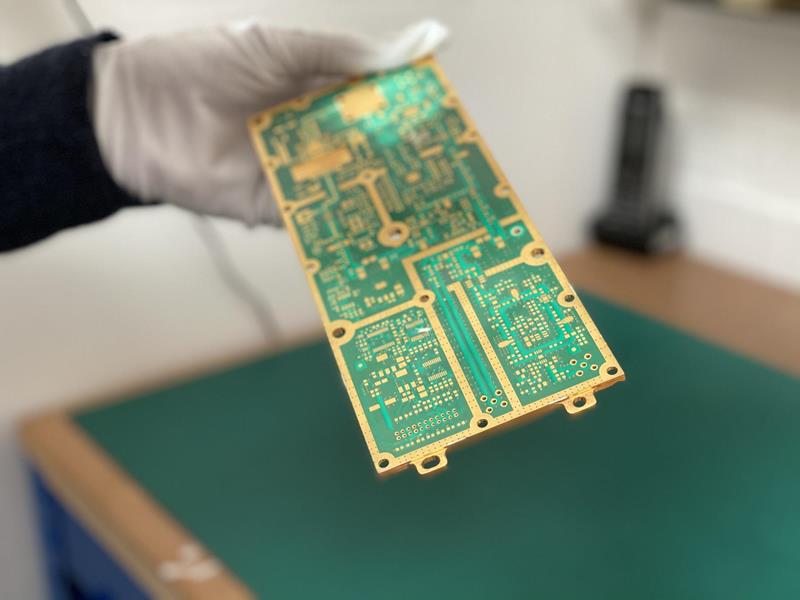
Surface finishes in PCBs are vital for ensuring solderability, electrical conductivity, and corrosion resistance. They help components bond securely to the board, ensure smooth signal flow, and protect the PCB from environmental damage. Without a proper surface finish, a PCB may not function correctly or could wear out faster. Immersion Gold (ENIG) and Gold Plating are two popular gold...

As we step into 2025, the electronics manufacturing industry is poised for transformative changes driven by technological advancements, shifting consumer demands, and global economic factors. At KKPCB, we are committed to staying at the forefront of these developments to deliver cutting-edge solutions to our clients. Here’s an overview of the key trends set to reshape the...

To develop and realize Hybrid PCBs for space applications through indigenous vendors

A Hybrid Printed Circuit Board (PCB) is a multilayer PCB that combines dissimilar materials to optimize electrical performance, improve system reliability, and enhance high-frequency RF applications. These PCBs utilize materials with significantly different critical properties compared to traditional multilayer PCBs. Hybrid PCBs may incorporate a mix of FR-4 materials with high-frequency PTFE materials, or use a combination of various...

Standard PCB Thickness and Optimization

When designing a printed circuit board (PCB), engineers often focus on ensuring the correct impedance structures and electrical performance of the board. However, the physical characteristics, such as PCB thickness, are equally important and can significantly impact the cost, manufacturability, and performance of the final product. While standard PCB thicknesses are widely used, they are more of a...

PCB Design For Military & Aerospace Applications

Military and aerospace PCBs must adhere to intensely high standards to ensure their safety and functionality in the extreme conditions they’re used in. For this reason, PCB design for military and aerospace applications requires incredibly stringent guidelines with built in redundancy, extra safety, and stringent tolerances, minimizing risk of failure. General PCB Design Tips for Military and Aerospace Applications...

Low Power Circuit Design Strategies for PCBs

Low power circuit design includes strategies focused on minimizing both dynamic and static power usage in your printed circuit boards. While selecting components with low power requirements is a crucial element, low power PCB design involves more comprehensive considerations to effectively manage power consumption. Lower Power Circuit Designs Tips Aspect Description Identify Major Power Consumers Start by...

RF Via Transitions in High-Speed Designs: Best Practices and Considerations

In high-speed and RF PCB designs, controlling trace impedance is critical, but the role of RF via transitions is often underestimated. Vias, which connect signals between layers, can introduce impedance mismatches, signal reflections, and losses, especially at high frequencies. Proper design and optimization of via transitions are essential to maintain signal integrity and ensure reliable performance in RF and...

How to Check for PCB Warpage: Techniques and Methods

PCB warpage is a common issue caused by stress during the PCB construction process, where the board undergoes expansion and contraction, leading to internal stress and deformation. Detecting PCB warpage early in the assembly stage is crucial, as it can negatively impact printing, mounting, and soldering processes. Warpage can lead to problems such as component misalignment, poor solder...