Latest Electronics Industry News & PCB Insights - KKPCB
 
HomeCategory

Latest Electronics Industry News & PCB Insights - KKPCB

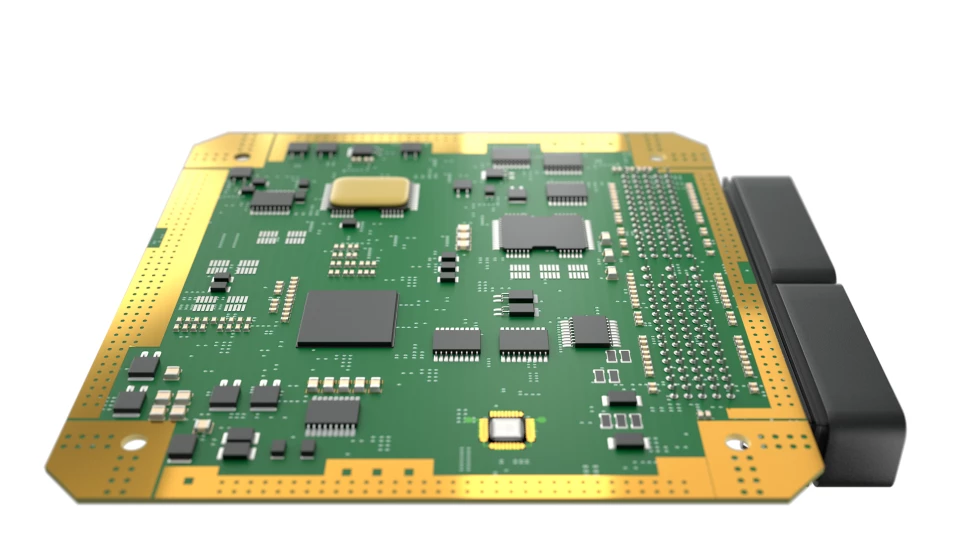
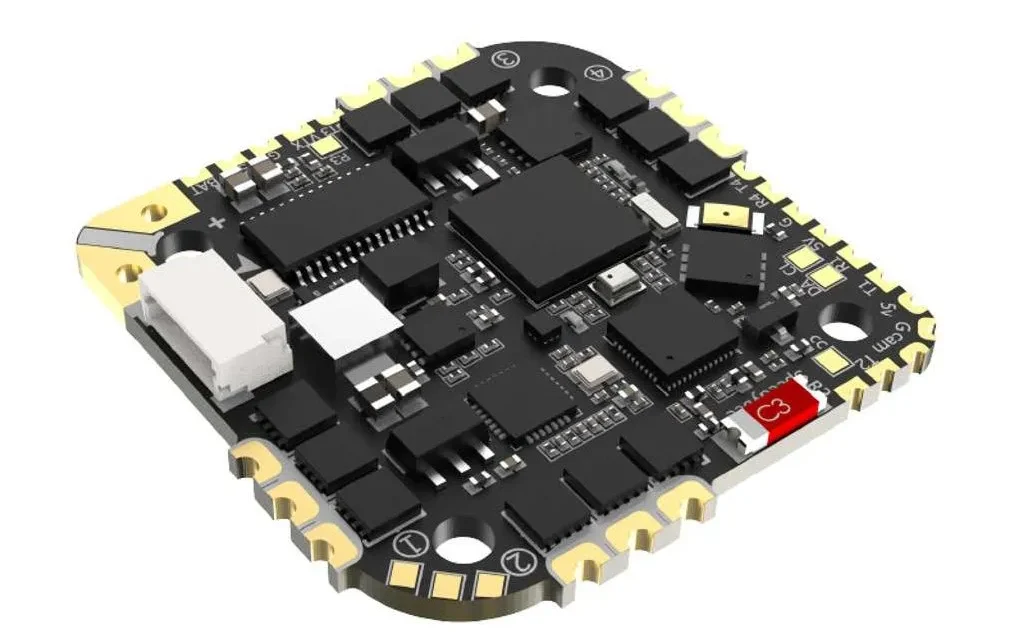
Optimize High-Frequency UAV PCB Architectures to Enhance IoT Crop Monitoring, Precision Spraying, and Long-Range Agricultural Drone Communication

IoT-enabled agricultural UAVs operate in a uniquely demanding environment: wide temperature swings, continuous vibration, variable humidity, and rapidly changing RF propagation conditions over open farmland. These drones must maintain long-range wireless links, collect high-resolution crop data, and execute precision-controlled spraying while keeping power consumption and mass as low as possible. To meet these requirements, modern...
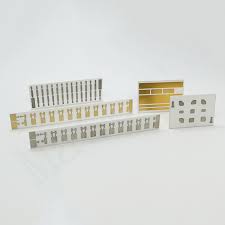

Enhance Thermal Conductivity and High-Voltage Isolation Using Alumina PCB Substrates for Power Electronics Modules

Alumina PCB substrates have become a cornerstone technology for next-generation power electronics, especially in systems where thermal conductivity, electrical insulation strength, and long-term environmental stability directly define system reliability. As power densities continue to rise in EV inverters, industrial motor drives, renewable-energy converters, and high-voltage power supplies, engineers are increasingly replacing traditional FR-4 and metal-core...

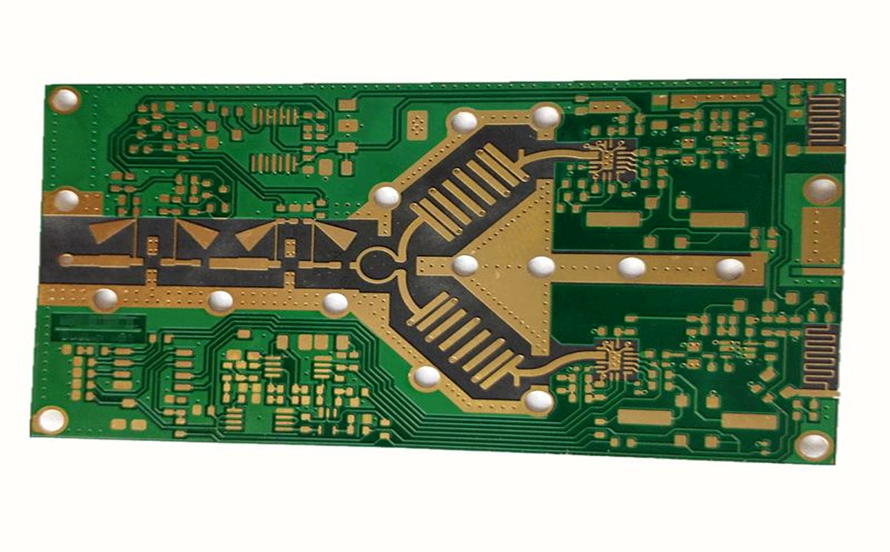
Boost RF Linearity and Phase Consistency with Impedance Controlled PCB Architectures in Aerospace Navigation and Telemetry Modules

Aerospace navigation and telemetry links depend on signals that simply cannot drift, distort, or wander off-phase. Whether guiding a launch vehicle or stabilizing a satellite’s inter-orbital communication, the RF path must maintain tight impedance control, predictable phase behavior, and ultra-low distortion across multi-GHz carriers. This is where Impedance Controlled PCB architectures become fundamental—not an optional...

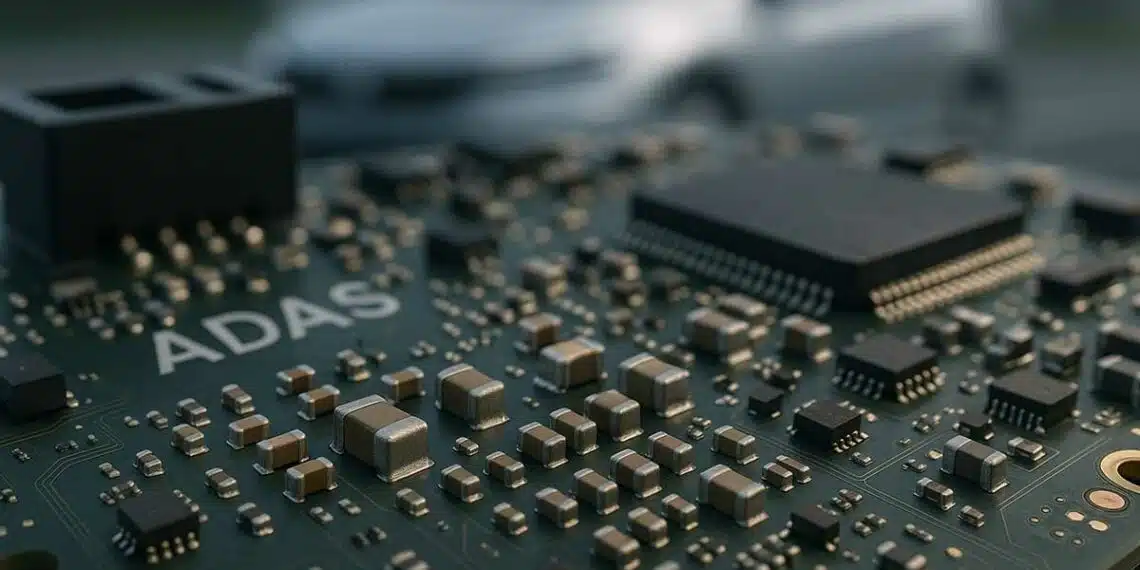
Achieve Low-Loss Performance and Long-Term Stability Through ADAS PCB Materials for Multi-Sensor Fusion Modules

Advanced driver-assistance systems (ADAS) rely heavily on multi-sensor fusion, where radar, LiDAR, ultrasonic sensing, and camera modules continuously exchange high-frequency data. To maintain real-time performance and safety-critical reliability, the ADAS PCB must deliver low-loss signal transmission, stable dielectric behavior, and tight impedance control under prolonged automotive thermal and vibration stress. High-frequency ADAS RF chains—particularly 24...

Enhance Thermal Management and Low-Loss Transmission with RO4350B PCB Stackups for 5G mmWave Base Station Units

5G mmWave base station modules require high-frequency RF interconnects that maintain low insertion loss, phase stability, and impedance accuracy under high power and dense component placement. Thermal hotspots and EMI in multilayer architectures can severely degrade link performance and reduce overall throughput. RO4350B PCB laminates (Dk = 3.48 ± 0.02, Df = 0.0037 @10 GHz)...

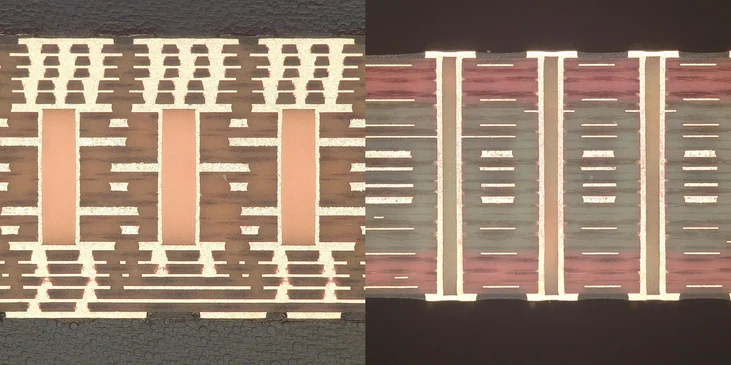
Maximize RF Channel Integrity and Minimize Signal Loss with Blind Via PCB Architectures for High-Speed Communication Modules

High-speed communication modules in 5G, satellite transceivers, and high-frequency computing systems demand extreme precision in signal routing and interconnect integrity. As layer density increases and modules become more compact, traditional through-hole vias introduce unwanted parasitic effects, signal reflection, and EMI interference, compromising both channel fidelity and system performance. Blind via PCB technology enables selective inter-layer...

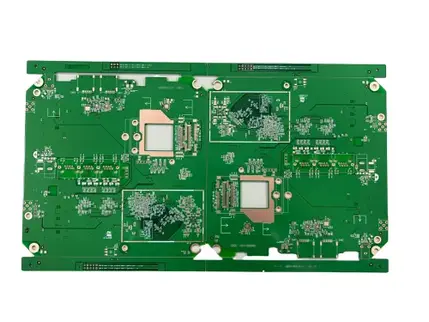
Extend High-Temperature RF Reliability and Maintain Ultra-Tight Impedance Stability Using Multilayer HF PCB Architectures for Harsh-Environment IoT Gateways

Harsh-environment IoT gateways—used in industrial automation, outdoor base stations, energy systems, mining networks, and smart transportation infrastructure—operate under extreme thermal stress and wideband RF loading. These platforms demand stable impedance, low-loss transmission, and high-temperature RF reliability to maintain continuous connectivity across Sub-6 GHz, C-Band, and mmWave IoT communication channels. Multilayer HF PCB architectures, built with...

Optimize High-Speed Routing and EMI Control Using Advanced ADAS PCB Architectures in Next-Gen Autonomous Vehicles

Autonomous driving platforms rely on a dense constellation of cameras, radars, lidars, domain controllers, and AI accelerators. These subsystems generate enormous volumes of high-speed data, while simultaneously consuming sensitive analog information from perception sensors. The PCB that connects everything becomes a multi-domain electromagnetic battlefield, where PCIe Gen4/Gen5 lanes, multi-gig SerDes routes, sensor-fusion processors, and power...

Improve Wideband Isolation and EMI Suppression Using Engineered 5G Router PCB Layouts for CPE Systems

Customer-Premises Equipment (CPE) sits at the frontline of the 5G access network. Unlike traditional routers, a 5G CPE must simultaneously maintain wideband RF isolation, suppress broadband EMI, and stabilize the 2.4 GHz / 5 GHz / 6 GHz multi-band wireless channels while handling dense digital switching activity. At these frequencies, the PCB layout is no...

Optimize Signal Integrity and Multi-Band RF Stability with 5G Router PCB Architectures Using Low-Loss Materials

Next-generation 5G routers operate across 2.4, 5, and 6 GHz bands while supporting high-speed MIMO data streams and concurrent RF channels. Maintaining signal integrity, low insertion loss, and impedance accuracy across multilayer PCB architectures is critical for throughput, link stability, and network reliability. Low-loss PCB laminates (Dk ~3.0 ±0.04, Df ~0.0012 @10 GHz) provide minimal...