
Introduction: Choosing the Right High-Frequency PCB Material
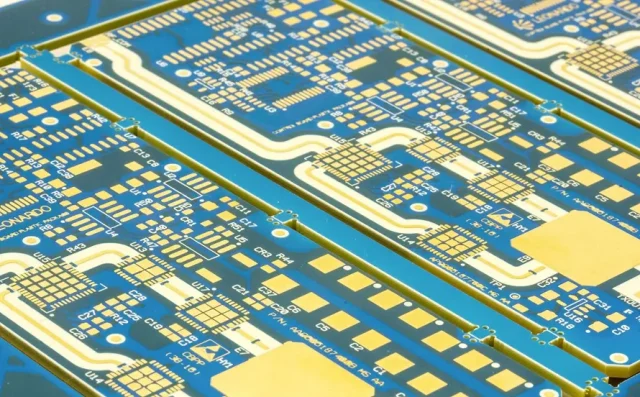
In modern high-frequency PCB design, material selection plays a decisive role in determining signal integrity, thermal performance, and overall system reliability. Among the most widely used materials, Rogers 6010 and aluminum-based high-frequency PCB solutions stand out for their unique advantages in RF applications, microwave circuits, and high-power electronic systems.
Understanding the performance characteristics and applications of these two high-frequency PCB materials is essential for engineers aiming to optimize both electrical performance and thermal management.
What Is Rogers 6010 PCB Material?
Rogers 6010 is a high-performance ceramic-filled PTFE laminate specifically designed for high-frequency PCB applications. It is widely used in RF and microwave PCB design due to its excellent dielectric properties.
Key Performance Features of Rogers 6010
- High dielectric constant (Dk ≈ 10.2) for compact circuit design
- Low dielectric loss for improved signal integrity
- Stable performance across a wide frequency range
- Excellent thermal stability for demanding environments
These characteristics make Rogers 6010 PCB ideal for high-frequency circuits requiring precise impedance control and minimal signal loss.
What Is Aluminum-Based High-Frequency PCB?
An aluminum-based high-frequency PCB is a type of metal core PCB (MCPCB) that integrates an aluminum substrate to enhance heat dissipation. It is commonly used in applications where both thermal management and moderate high-frequency performance are required.
Key Performance Features of Aluminum-Based PCB
- Superior thermal conductivity for efficient heat dissipation
- Strong mechanical strength and durability
- Cost-effective solution for high-power applications
- Good performance in LED and power RF circuits
While not as electrically advanced as Rogers materials, aluminum PCBs excel in thermal management applications.
Rogers 6010 vs Aluminum-Based High-Frequency PCB: Key Differences
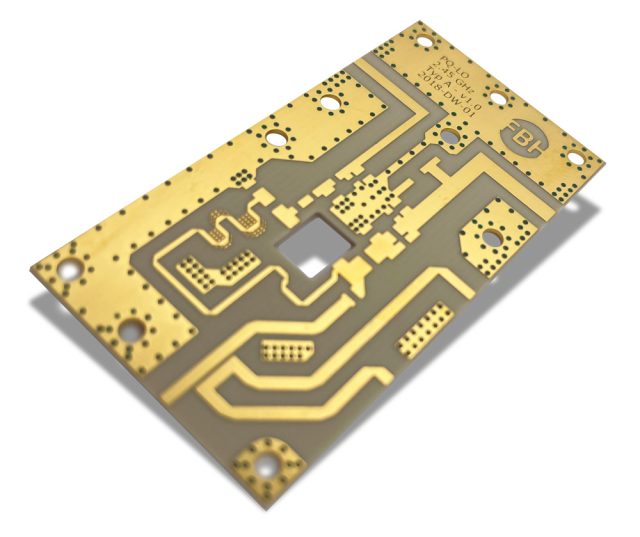
Understanding the differences between Rogers 6010 PCB and aluminum-based high-frequency PCB is critical for proper material selection:
1. Electrical Performance
- Rogers 6010 PCB offers superior signal integrity, low loss, and precise impedance control
- Aluminum-based PCB provides acceptable performance but is less suitable for ultra-high-frequency circuits
2. Thermal Management
- Aluminum-based PCB has excellent heat dissipation capability due to its metal core
- Rogers 6010 PCB provides good thermal stability but lower thermal conductivity
3. Application Focus
- Rogers 6010: Ideal for RF, microwave, radar, and antenna systems
- Aluminum PCB: Widely used in LED lighting, power electronics, and automotive modules
4. Cost Consideration
- Rogers 6010 PCB is a high-end material with higher cost
- Aluminum-based PCB is more cost-effective for large-scale production
Applications of Rogers 6010 PCB
Due to its outstanding high-frequency performance, Rogers 6010 PCB is commonly used in:
- RF communication systems
- Radar and satellite systems
- Microwave circuits
- High-speed data transmission modules
- Antenna design
These applications demand low signal loss and high frequency stability.
Applications of Aluminum-Based High-Frequency PCB
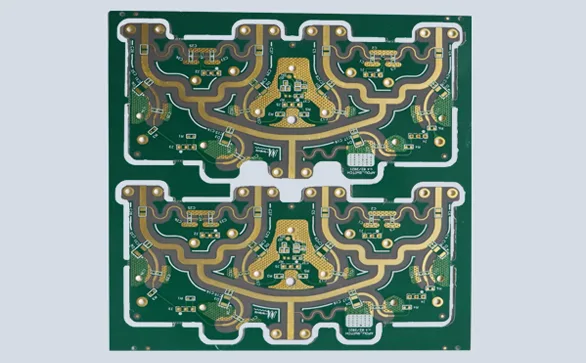
With excellent thermal performance, aluminum-based PCBs are ideal for:
- LED lighting systems
- Power converters and power supplies
- Automotive electronics
- High-power RF modules
- Industrial control systems
These applications benefit from strong heat dissipation and mechanical reliability.
How to Choose Between Rogers 6010 and Aluminum PCB
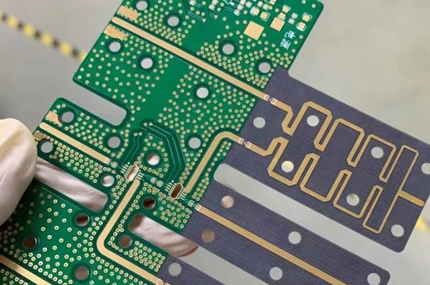
When selecting between Rogers 6010 PCB and aluminum-based high-frequency PCB, engineers should evaluate:
- Required operating frequency
- Level of signal integrity needed
- Thermal management requirements
- Project budget constraints
- Application environment
For high-frequency, high-precision circuits, Rogers 6010 is the preferred choice. For high-power, thermally demanding applications, aluminum-based PCB offers better value.
Conclusion: Performance vs Thermal Efficiency
Both Rogers 6010 and aluminum-based high-frequency PCB materials play vital roles in modern electronics. While Rogers 6010 PCB excels in electrical performance and signal integrity, aluminum-based PCB provides unmatched thermal management and cost efficiency.
Choosing the right high-frequency PCB material ultimately depends on your specific application requirements. A well-informed decision ensures optimal performance, reliability, and cost-effectiveness in advanced electronic designs.
