
Why High TG PCB Technology Matters
Modern electronic systems are increasingly exposed to:
- Higher operating temperatures
- Greater power density
- Compact multilayer PCB integration
- Continuous industrial operation
- High-speed signal transmission
Applications such as:
- Automotive electronics
- Industrial automation systems
- Power electronics
- 5G communication equipment
- Aerospace control systems
require PCB materials capable of delivering:
- Excellent thermal reliability
- Stable electrical performance
- Long-term operational durability
- Mechanical stability under heat stress
Traditional standard FR4 materials may experience:
- Material deformation
- Reduced reliability
- Delamination risk
- Electrical instability under high temperatures
As a result, manufacturers increasingly adopt High TG PCB technology to improve:
- Thermal resistance
- PCB structural stability
- Long-term electronic reliability
At KKPCB, advanced High TG PCB solutions are engineered for:
- High-temperature industrial electronics
- Automotive control systems
- High-reliability communication platforms
What Is a High TG PCB?
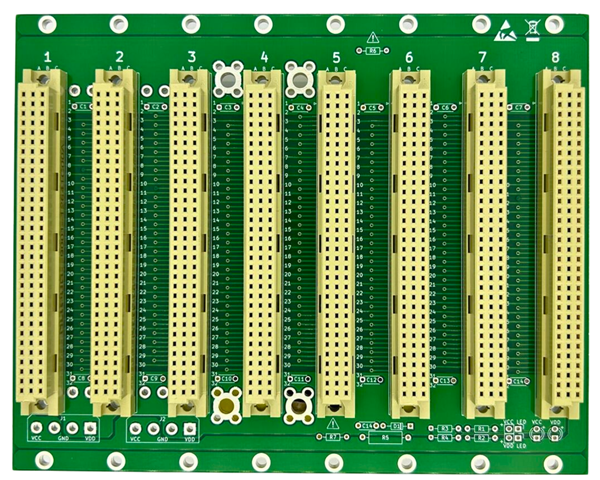
A High TG PCB is a printed circuit board manufactured using laminate materials with a high glass transition temperature (TG).
The glass transition temperature refers to the point where PCB substrate materials begin changing from:
- Rigid mechanical behavior
to - Softer thermal-plastic behavior
High TG PCB materials maintain:
- Better structural stability
- Improved electrical consistency
- Higher thermal resistance
under elevated operating temperatures.
High TG PCB technology is commonly used in:
- High-power electronics
- Automotive systems
- Industrial control equipment
- High-speed networking platforms
- Aerospace electronics
Key Characteristics of High TG PCB
Excellent Thermal Stability
One of the biggest advantages of High TG PCB technology is:
- Superior heat resistance
- Stable performance under thermal stress
- Reduced material deformation
High TG PCB structures improve:
- Long-term operational stability
- Thermal cycling reliability
- Mechanical durability
These characteristics are especially important in:
- Automotive electronics
- Industrial automation systems
- Power conversion equipment
Improved Multilayer PCB Reliability
Modern electronic systems commonly use:
- High-density multilayer PCB structures
- Compact routing architectures
- Dense component integration
High TG PCB materials improve:
- Layer bonding strength
- Multilayer structural stability
- Resistance to thermal expansion stress
These optimizations reduce:
- Delamination risk
- PCB warpage
- Manufacturing defects
At KKPCB, advanced multilayer PCB technologies ensure:
- Stable PCB structural integrity
- Reliable high-density manufacturing capability
- Long-term industrial reliability
Better Electrical Performance
High TG PCB materials provide:
- Stable dielectric properties
- Consistent signal transmission
- Reliable electrical insulation performance
These characteristics improve:
- Signal integrity
- Controlled impedance consistency
- High-speed communication reliability
High TG PCB technology is widely used in:
- Networking systems
- Communication electronics
- High-speed industrial platforms
Enhanced Mechanical Strength
High TG PCB structures offer:
- Better mechanical durability
- Improved vibration resistance
- Higher structural rigidity
These advantages improve:
- Industrial operational reliability
- Automotive electronics stability
- Aerospace system durability
PCB Materials Used in High TG PCB
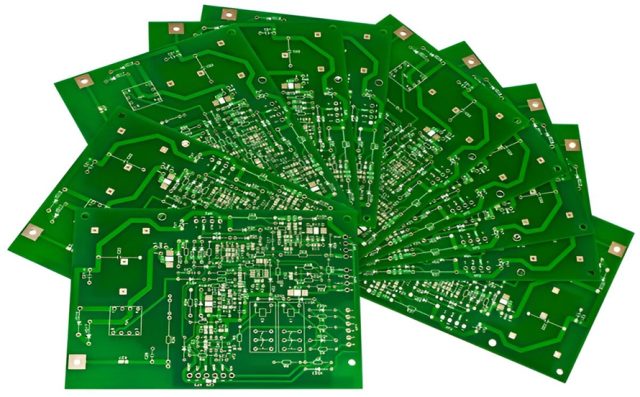
High TG PCB manufacturing commonly uses:
- High Tg FR4 materials
- Advanced epoxy resin systems
- High-performance multilayer laminates
Important material properties include:
- Excellent thermal resistance
- Stable dielectric performance
- Mechanical reliability
- Moisture resistance
Compared with standard FR4 materials, High TG PCB materials provide:
- Better thermal endurance
- Improved reliability
- More stable electrical performance
Controlled Impedance Design in High TG PCB
Controlled impedance is essential for:
- High-speed digital systems
- Communication equipment
- Industrial networking platforms
- RF communication electronics
High TG PCB routing must carefully optimize:
- Trace geometry
- Dielectric thickness
- Ground plane continuity
- Return current paths
Stable impedance control improves:
- Signal transmission quality
- Communication reliability
- Timing consistency
At KKPCB, advanced stack-up engineering ensures:
- Stable high-speed routing performance
- Accurate impedance consistency
- Reliable signal integrity
Thermal Management in High TG PCB
High-performance electronics generate concentrated heat from:
- Processors
- Power management ICs
- Motor drivers
- Communication modules
Thermal management solutions include:
- Thermal via arrays
- Copper heat-spreading structures
- Balanced multilayer stack-up designs
- Heat sink integration
Efficient thermal management improves:
- System reliability
- Product lifespan
- Operational stability
Heavy Copper Structures in High TG PCB
Many High TG PCB applications also require:
- High-current carrying capability
- Stable power distribution
- Efficient heat dissipation
Heavy copper PCB structures improve:
- Current handling performance
- Thermal conductivity
- Power integrity stability
These technologies are especially important in:
- Power electronics
- Industrial automation systems
- EV control platforms
EMI and EMC Optimization
High-speed and industrial systems are highly sensitive to electromagnetic interference.
EMI suppression strategies include:
- Ground shielding structures
- Via stitching optimization
- Layer isolation management
- Differential routing techniques
- Controlled return current paths
Effective EMI control improves:
- Communication reliability
- Industrial operational stability
- EMC compliance performance
Manufacturing Challenges of High TG PCB
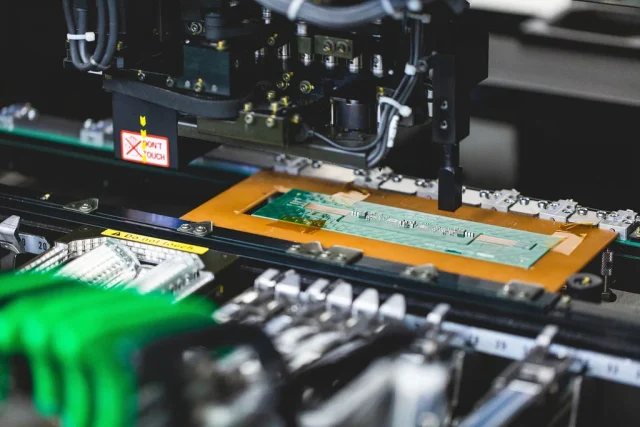
High TG PCB fabrication requires advanced manufacturing precision.
Key manufacturing challenges include:
- Multilayer alignment accuracy
- Thermal stress management
- Controlled impedance consistency
- Stable lamination processing
- Fine-line routing precision
High TG PCB manufacturing must ensure:
- Reliable thermal stability
- Long-term multilayer durability
- Consistent electrical performance
At KKPCB, advanced manufacturing technologies ensure:
- Stable multilayer PCB quality
- Reliable thermal performance
- Consistent industrial-grade PCB production capability
Applications of High TG PCB
High TG PCB technology is widely used in:
- Automotive electronics
- Industrial automation systems
- Power electronics
- 5G communication equipment
- Aerospace control systems
- Networking infrastructure
- High-speed communication platforms
These applications require:
- High thermal reliability
- Stable signal integrity
- Long-term operational durability
Future Trends in High TG PCB Technology
Future High TG PCB development focuses on:
- AI computing systems
- EV power electronics
- High-density multilayer architectures
- Advanced industrial automation
- High-speed communication infrastructure
Emerging technologies require:
- Better thermal resistance
- Higher routing density
- Improved signal integrity
- More reliable multilayer PCB structures
Conclusion
High TG PCB technology is essential for modern:
- High-performance electronics
- Industrial automation systems
- Automotive control platforms
- High-speed communication equipment
Through optimized:
- High thermal resistance materials
- Controlled impedance routing
- Multilayer PCB engineering
- Thermal management optimization
- Advanced manufacturing precision
engineers can achieve:
- Better operational reliability
- Improved thermal stability
- Higher signal integrity
- Longer product lifespan
With extensive expertise in multilayer PCB engineering and high-reliability PCB manufacturing, KKPCB delivers advanced PCB solutions for next-generation electronic systems.
