What Is an RF Transceiver PCB?
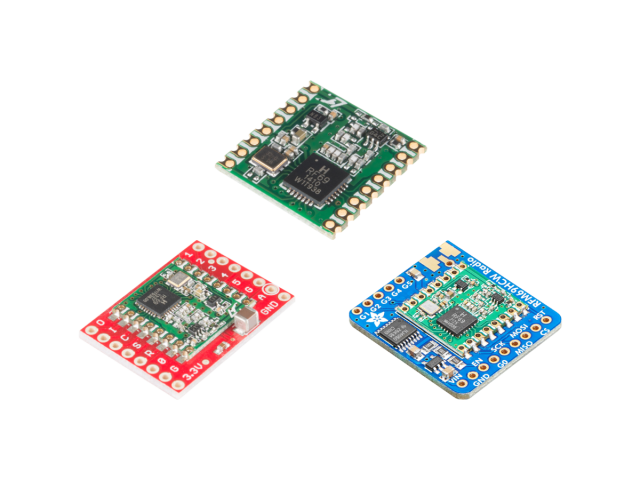
An RF Transceiver PCB is a high frequency printed circuit board specifically designed to support both RF signal transmission and RF signal reception within a single wireless communication module.
RF Transceiver PCB is widely used in:
-
5G communication modules
-
WiFi and Bluetooth devices
-
IoT wireless systems
-
Automotive radar systems
-
Satellite communication equipment
Because RF signals operate at high frequency ranges (GHz level), RF Transceiver PCB must ensure low signal loss, controlled impedance, and stable signal integrity.
Key Design Requirements of RF Transceiver PCB
1. Low Loss High Frequency Materials
RF Transceiver PCB requires materials with:
-
Stable dielectric constant (Dk)
-
Low dissipation factor (Df)
-
Minimal insertion loss at GHz frequencies
Common materials include:
-
RO4350B
-
RO4003C
-
RF-35
-
PTFE-based laminates
-
Hybrid high TG materials
Low loss materials ensure accurate RF signal transmission and reception without distortion.
2. Precise Controlled Impedance
Controlled impedance is critical in RF Transceiver PCB to prevent:
-
Signal reflection
-
Power loss
-
Crosstalk
-
Frequency instability
Typical RF routing structures include:
-
Microstrip lines
-
Stripline structures
-
Differential pair routing
-
Coplanar waveguide (CPWG)
Precise impedance control ensures reliable RF performance in high frequency environments.
3. Signal Integrity and Isolation
Since RF Transceiver PCB handles both transmitting and receiving signals, proper layout is essential to:
-
Minimize interference between TX and RX paths
-
Reduce noise coupling
-
Optimize grounding and shielding
-
Maintain clean signal paths
Careful PCB stack-up design significantly improves RF performance and system stability.
4. Thermal Management
RF transceiver modules generate heat during high power transmission. RF Transceiver PCB may include:
-
Thermal vias
-
Copper planes for heat spreading
-
Heavy copper in power areas
-
Optimized component placement
Effective thermal design improves reliability and lifespan.
5. Compact and Multilayer Integration
Modern RF modules require compact form factors. RF Transceiver PCB often features:
-
4–12 layer stack-ups
-
HDI structures with microvias
-
Fine pitch components
-
High density routing
This enables integration of RF front-end, power management, and digital processing circuits in a single board.
Applications of RF Transceiver PCB
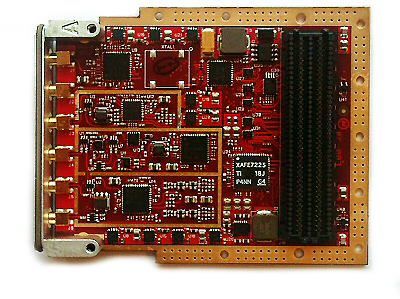
RF Transceiver PCB is widely used in:
-
5G and LTE wireless modules
-
IoT communication devices
-
Automotive radar and V2X systems
-
Satellite communication terminals
-
Industrial wireless control systems
-
RF test and measurement equipment
These applications require high frequency performance, stable impedance control, and reliable signal transmission.
RF Transceiver PCB vs Standard PCB
| Feature | RF Transceiver PCB | Standard PCB |
|---|---|---|
| Frequency Range | GHz / RF | Low to mid frequency |
| Material | Low loss laminate | FR-4 |
| Impedance Control | Critical | Limited |
| Signal Integrity | High | Moderate |
| Application | Wireless communication | General electronics |
RF Transceiver PCB is optimized for high frequency RF performance, while standard PCB cannot maintain signal quality at GHz frequencies.
Manufacturing Considerations
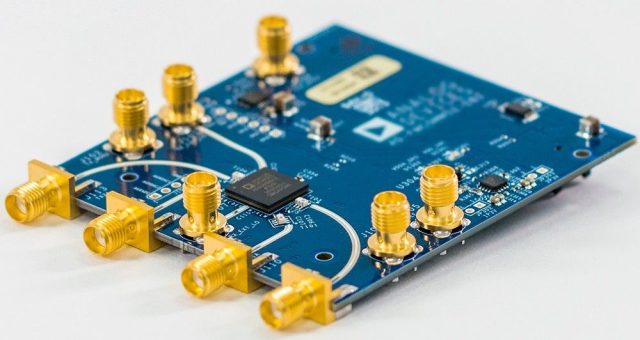
Producing high quality RF Transceiver PCB requires:
-
Tight impedance tolerance control
-
Precise multilayer lamination
-
Fine line etching capability
-
RF testing and electrical verification
-
Experienced high frequency PCB fabrication process
A professional RF PCB manufacturer ensures consistent performance and stable RF behavior across batches.
Conclusion
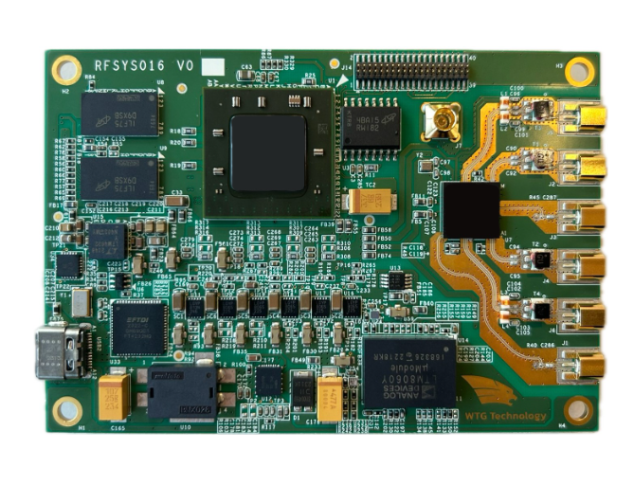
RF Transceiver PCB is essential for modern wireless communication systems. With low loss materials, controlled impedance routing, optimized stack-up design, and strong thermal management, RF Transceiver PCB ensures stable transmission, accurate reception, and reliable high frequency performance.
Selecting an experienced RF Transceiver PCB manufacturer guarantees superior signal integrity, consistent production quality, and long-term reliability in demanding wireless applications.