Introduction
Megtron 6 PCB is a high-performance ultra-low loss PCB material based on Panasonic MEGTRON technology, designed for next-generation AI computing, high-performance computing (HPC), semiconductor test (ATE), and high-speed networking systems.
As data rates continue to increase toward 112G, 224G, and beyond, traditional FR-4 materials can no longer meet the requirements of signal integrity, impedance stability, and low insertion loss.
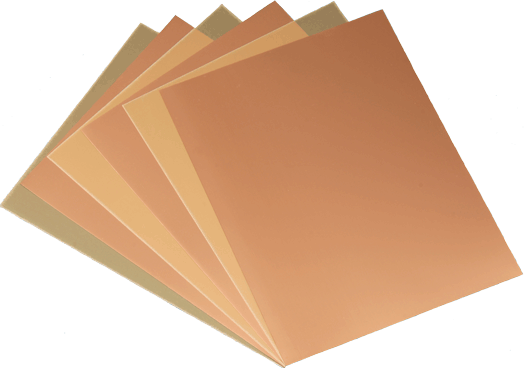
Megtron 6 provides an optimized balance of:
- Ultra-low transmission loss
- Stable dielectric performance
- Excellent high-frequency signal integrity
- Reliable multilayer manufacturability
It is widely used in AI servers, GPU computing boards, 5G infrastructure, and high-layer-count ATE PCB systems (up to 50 layers and above).
What is Megtron 6 PCB?
A Megtron 6 PCB is a printed circuit board manufactured using Panasonic Megtron 6 laminate materials, which belong to the advanced low-loss high-speed PCB material family.
It is specifically engineered to support:
- High-speed digital signal transmission
- Controlled impedance routing
- High-frequency RF and microwave performance
- Complex multilayer PCB stack-ups
Compared with standard FR-4, Megtron 6 significantly reduces signal degradation at high frequencies, making it ideal for modern high-speed electronic systems.
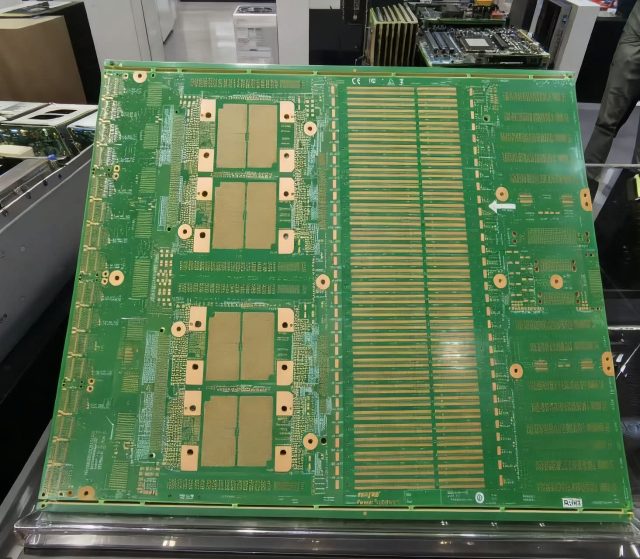
Key Electrical Properties of Megtron 6
Ultra-Low Dielectric Loss (Df)
- Df ≈ 0.0029 @ 13GHz
This extremely low dissipation factor minimizes signal energy loss during transmission, improving:
- Eye diagram opening
- Signal amplitude
- Bit error rate (BER) performance
- Long-distance high-speed routing capability
Stable Dielectric Constant (Dk)
- Dk = 3.36 / 3.66
Stable Dk ensures:
- Accurate impedance control
- Reduced signal reflection
- Consistent production performance
This is critical for:
- PCIe Gen5 / Gen6
- DDR5 / DDR6
- 100G / 400G / 800G Ethernet
- SerDes high-speed channels
High Glass Transition Temperature
- Tg = 250°C
Provides excellent thermal stability for:
- Lead-free soldering
- Multiple lamination cycles
- High-layer-count PCB manufacturing
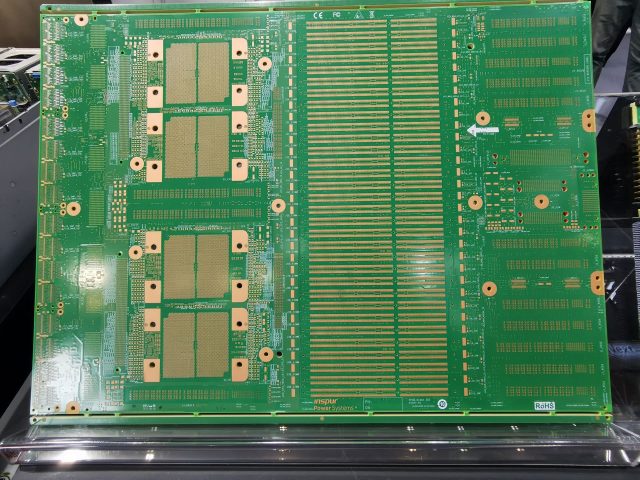
Why Megtron 6 for AI & ATE PCB Applications?
Megtron 6 is widely selected for high-end AI computing and semiconductor test systems due to its superior signal integrity and manufacturing stability.
1. AI & GPU Computing Systems
Used in:
- AI training servers
- GPU acceleration boards
- High-speed data center systems
Benefits:
- Supports ultra-high bandwidth channels
- Stable high-speed signal transmission
- Reduced system latency
2. ATE & Semiconductor Test Boards
Ideal for:
- 50-layer ATE load boards
- Probe cards
- Burn-in test boards
- High-speed IC validation systems
Benefits:
- Excellent impedance stability
- High reliability under thermal cycling
- Long-term measurement accuracy
3. High-Speed Networking & HPC Systems
Used in:
- 400G / 800G Ethernet systems
- Core routers and switches
- Cloud computing infrastructure
- High-layer backplanes
Benefits:
- Reduced insertion loss over long routing
- Improved channel margin
- Better system-level signal integrity
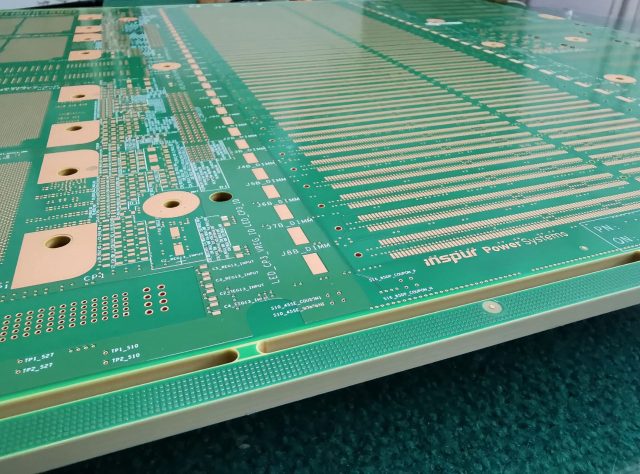
KKPCB Advanced Manufacturing Capability
KKPCB provides professional manufacturing solutions for high-layer, high-speed Megtron 6 PCB designs, including:
High-End PCB Capability
- Up to 50-layer AI computing PCB manufacturing
- Ultra-low loss Megtron 6 / Megtron 7 stack-up design
- High-speed ATE test board production
- Controlled impedance ±5% precision
- HDI (blind/buried via) structures
- High-density backplane PCB fabrication
Megtron 6 vs Standard FR-4
| Property | FR-4 | Megtron 6 |
|---|---|---|
| Df | ~0.015–0.020 | 0.0029 |
| High-speed performance | Limited | Excellent |
| 100G+ support | Not suitable | Suitable |
| Impedance stability | Medium | High |
| AI / ATE application | No | Yes |
PCB Design Considerations for Megtron 6
To maximize performance, engineers should follow:
- Minimize via transitions in high-speed paths
- Use back-drilling for signal integrity improvement
- Maintain strict differential pair routing control
- Optimize stack-up for impedance matching
- Ensure solid reference planes for return paths
- Reduce copper roughness for lower loss
Typical Applications
Megtron 6 PCB is widely used in:
AI & Computing
- AI servers
- GPU computing systems
- Machine learning accelerators
Semiconductor Test (ATE)
- 50-layer load boards
- IC test platforms
- High-speed validation systems
Networking & Telecom
- 400G / 800G switches
- Routers and backplanes
- Optical communication systems
High-Performance Computing
- Data centers
- Cloud computing infrastructure
- HPC clusters
Environmental Compliance
Megtron 6 is fully compliant with global standards:
- RoHS compliant
- Halogen-free (Cl ≤ 900 ppm, Br ≤ 900 ppm)
- Environmentally safe for global markets
Conclusion
Megtron 6 PCB is a high-performance ultra-low loss material designed for next-generation AI computing, ATE systems, and high-speed networking applications.
With excellent electrical stability, low transmission loss, and strong multilayer manufacturing capability, it is widely used in:
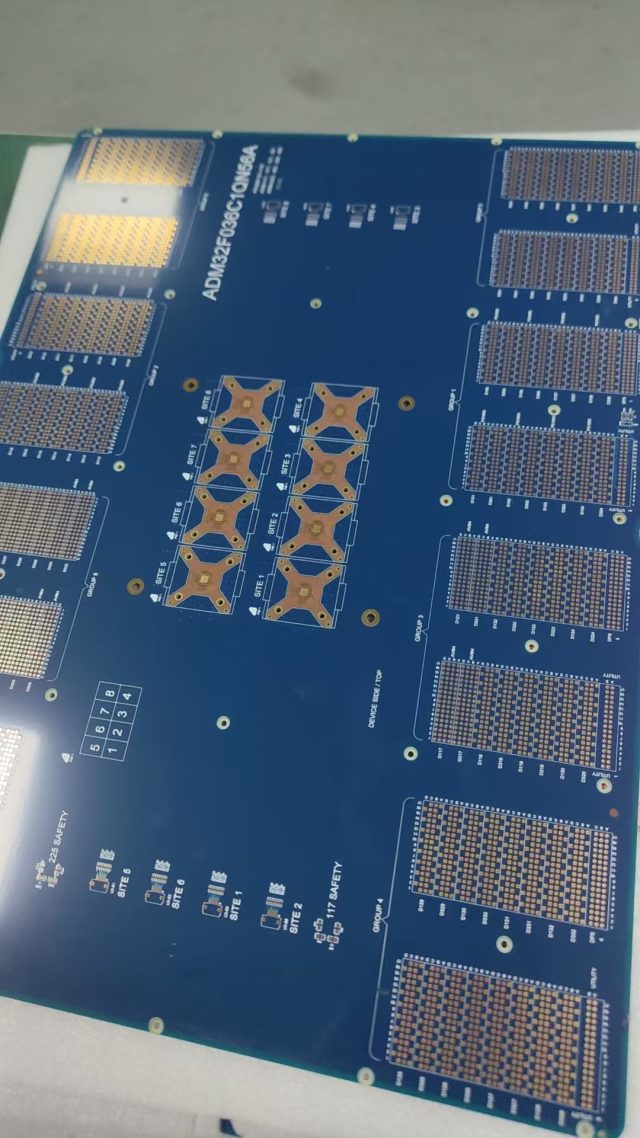
ATE semiconductor test boards
- 112G / 224G high-speed systems
- HPC and data center platforms
👉 If your project requires ultra-low loss, high-layer count, and high-reliability PCB manufacturing, KKPCB provides full engineering and production support from prototype to mass production.