
What Is a High TG PCB?
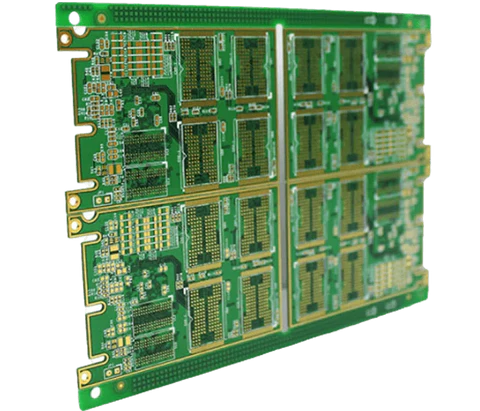
A High TG PCB refers to a printed circuit board manufactured using laminate materials with a high glass transition temperature (Tg). The glass transition temperature is the point at which the PCB substrate transitions from a rigid state to a softer, more flexible state under heat.
Standard FR4 materials typically have a Tg around 130–140°C, while high TG materials usually range from 170°C to 180°C or higher.
High TG PCB solutions are designed for applications that require improved thermal stability, mechanical strength, and long-term reliability under elevated temperatures.
Why High TG Materials Matter
When PCB temperature approaches or exceeds its Tg:
-
Mechanical strength decreases
-
Z-axis expansion increases
-
Risk of delamination rises
-
Via reliability may degrade
Using high TG materials helps reduce thermal stress during soldering, reflow cycles, and high-power operation.
Key Advantages of High TG PCB
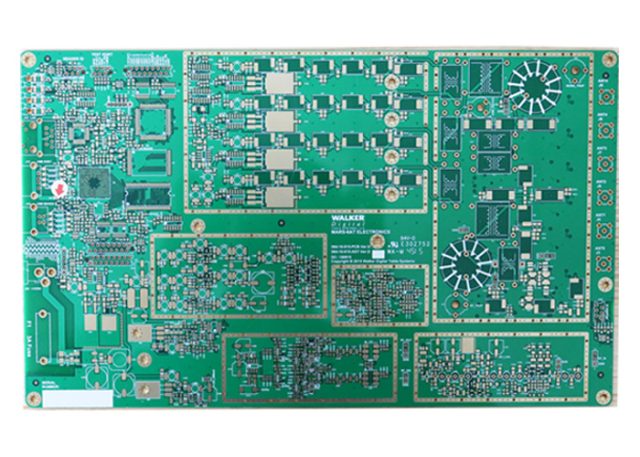
1. Improved Thermal Stability
High TG laminates maintain structural integrity at higher operating temperatures, making them suitable for high-power or high-density electronic systems.
2. Better Via Reliability
Lower Z-axis expansion improves plated through-hole and microvia reliability during thermal cycling.
3. Enhanced Mechanical Strength
High TG materials resist warpage and maintain dimensional stability during manufacturing and assembly processes.
4. Suitable for Lead-Free Processes
Lead-free soldering requires higher reflow temperatures. High TG PCB materials better withstand these thermal demands.
Applications of High TG PCB
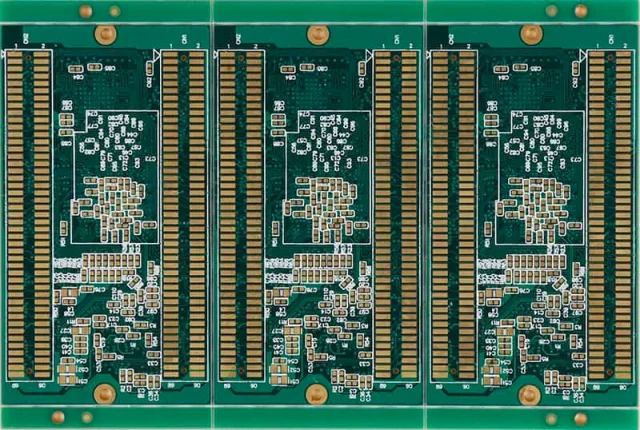
High TG PCBs are widely used in:
-
Automotive electronics
-
Power supply modules
-
Industrial control systems
-
Communication equipment
-
High current PCB designs
-
Multilayer and HDI PCB structures
-
Semiconductor test boards
In automotive and industrial environments, where temperature variation is significant, high TG materials improve long-term system stability.
High TG PCB vs Standard FR4 PCB
| Feature | Standard FR4 | High TG PCB |
|---|---|---|
| Tg Value | ~130–140°C | 170–180°C+ |
| Thermal Stability | Moderate | High |
| Thermal Cycling Resistance | Standard | Improved |
| Via Reliability | Normal | Enhanced |
| Suitable for Harsh Environment | Limited | Yes |
High TG PCB is preferred when thermal stress and reliability are critical considerations.
Manufacturing Considerations
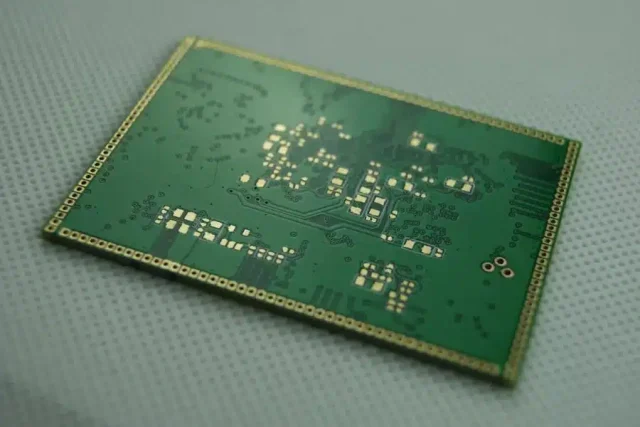
High TG PCB fabrication may include:
-
Multilayer lamination processes
-
Controlled impedance design
-
Heavy copper structures
-
HDI microvia processing
-
Strict temperature and pressure control during lamination
Proper material handling and process control ensure stable dielectric properties and mechanical durability.
Conclusion
High TG PCB provides enhanced thermal resistance, mechanical strength, and long-term reliability for demanding electronic applications. As power density and environmental stress increase in modern electronics, high TG materials become essential for maintaining structural integrity and electrical performance.
Choosing the right TG rating ensures consistent operation under high temperature conditions and extended product lifespan.
