
High Density Interconnect (HDI) PCB technology is designed to support modern electronic devices that demand higher performance, smaller form factors, and greater circuit complexity. HDI PCBs use advanced manufacturing techniques such as microvias, blind vias, buried vias, and fine line routing to increase the wiring density compared to traditional multilayer PCBs.
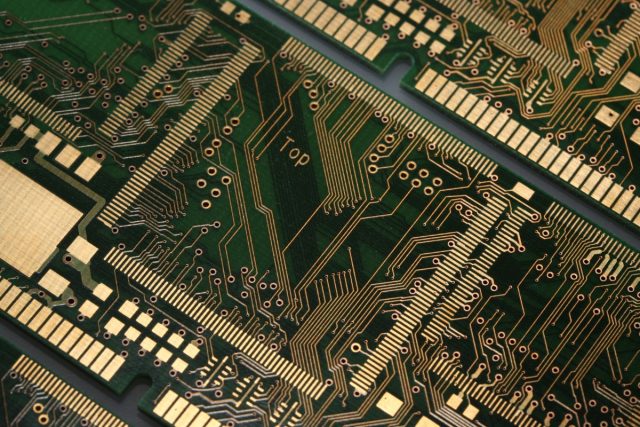
As electronic products continue to evolve—especially in sectors like telecommunications, aerospace, medical devices, and consumer electronics—HDI PCBs have become a critical solution for engineers looking to optimize signal integrity, reduce size, and improve overall system performance.
Key Features of HDI PCBs
HDI PCBs are characterized by several advanced structural and manufacturing features:
Microvias
Microvias are extremely small vias typically created using laser drilling. They allow connections between adjacent layers and significantly reduce the space required for interconnections.
Blind and Buried Vias
Unlike traditional through-hole vias, blind vias connect the outer layer to inner layers, while buried vias connect only internal layers. This design increases routing flexibility and saves valuable board space.
Fine Line Trace Technology
HDI boards support much narrower traces and smaller spacing, enabling higher circuit density. This allows designers to accommodate complex layouts in compact devices.
Sequential Lamination Process
HDI PCBs are manufactured using sequential build-up techniques, which allow additional layers to be added step-by-step to support microvia structures and complex interconnections.
Advantages of HDI PCB Technology
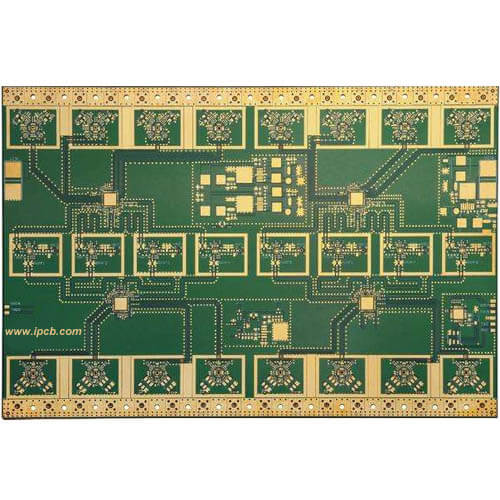
HDI PCB technology offers several advantages that make it ideal for high-performance electronics.
Higher Circuit Density
By utilizing microvias and fine trace routing, HDI PCBs can pack significantly more connections into a smaller area, making them ideal for compact devices.
Improved Signal Integrity
Shorter signal paths and reduced parasitic effects help maintain signal quality, which is especially important in high-speed and RF applications.
Reduced PCB Size and Weight
HDI designs allow engineers to reduce board size while maintaining or even increasing functionality.
Better Electrical Performance
The shorter interconnection paths reduce resistance and inductance, improving electrical performance in high-frequency circuits.
Enhanced Reliability
Laser-drilled microvias and advanced lamination processes provide robust mechanical reliability for complex designs.
Applications of HDI PCBs
HDI PCBs are widely used across many industries where space constraints and performance requirements are critical.
Smartphones and Consumer Electronics
Modern smartphones, tablets, and wearable devices rely heavily on HDI PCB technology to support compact and multifunctional designs.
5G and Communication Equipment
HDI PCBs support high-speed signal transmission required in advanced telecommunications systems.
Medical Devices
Portable medical equipment and diagnostic devices use HDI boards for compact and reliable circuit integration.
Automotive Electronics
Advanced driver assistance systems (ADAS), infotainment systems, and automotive sensors often use HDI PCBs.
Aerospace and Defense Systems
High reliability and high-density routing make HDI PCBs suitable for mission-critical aerospace electronics.
Manufacturing Considerations for HDI PCBs
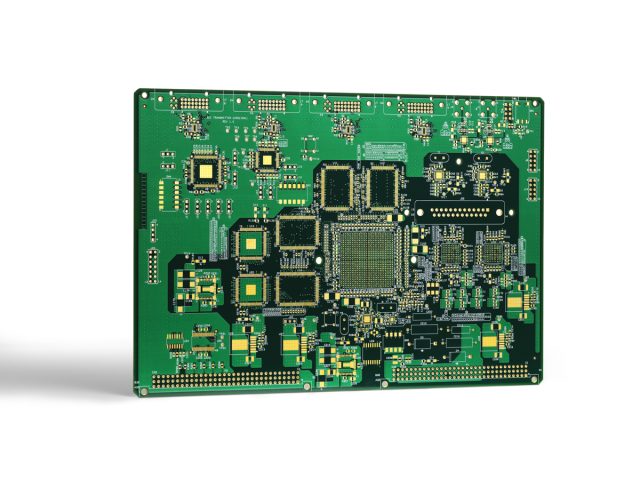
Producing HDI PCBs requires specialized equipment and strict process control. Key considerations include:
-
Laser drilling accuracy for microvias
-
Sequential lamination techniques
-
Fine-line etching processes
-
High-precision alignment between layers
-
Advanced inspection and testing procedures
Manufacturers must also carefully select Materials and control impedance to ensure optimal electrical performance.
Why Choose HDI PCBs for Advanced Electronics
As electronic devices continue to demand higher performance in smaller packages, HDI PCB technology offers a powerful solution. Its ability to deliver high routing density, improved signal integrity, and compact design makes it indispensable for modern electronic systems.
For companies developing next-generation electronics, choosing an experienced HDI PCB manufacturer is essential to ensure high quality, precision manufacturing, and reliable performance.
