
What is Taconic PCB?
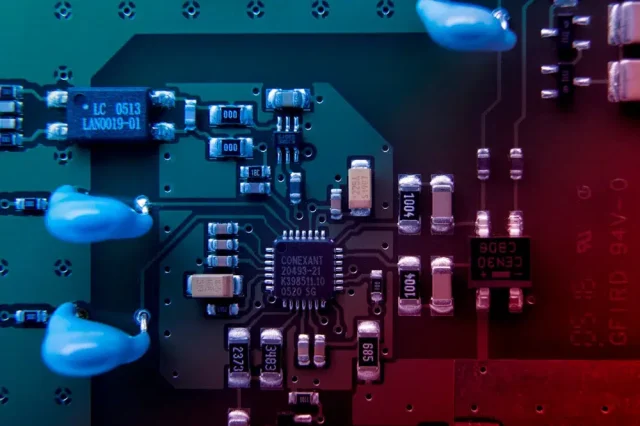
Taconic PCB refers to printed circuit boards manufactured using high-performance laminates from Taconic, a well-known material supplier specializing in RF and microwave substrates.
These materials are primarily PTFE-based (Polytetrafluoroethylene) composites, designed for applications where low dielectric loss, stable signal transmission, and high-frequency performance are critical.
Taconic laminates are widely used in industries such as:
- RF and microwave communication
- 5G infrastructure
- Aerospace and defense
- Automotive radar systems
- Satellite and antenna design
Key Properties of Taconic PCB Materials
Taconic materials are engineered to handle demanding electrical environments. The most important properties include:
1. Low Dielectric Constant (Dk)
Ensures consistent signal speed and impedance control, critical for RF circuit design.
2. Low Dissipation Factor (Df)
Minimizes signal loss at high frequencies, improving overall system efficiency.
3. Excellent Thermal Stability
Maintains performance under high operating temperatures, suitable for harsh environments.
4. Moisture Resistance
PTFE-based structure provides strong resistance to humidity, ensuring long-term reliability.
5. Tight Thickness Tolerance
Supports precision manufacturing for multilayer and impedance-controlled PCBs.
Popular Taconic Material Series
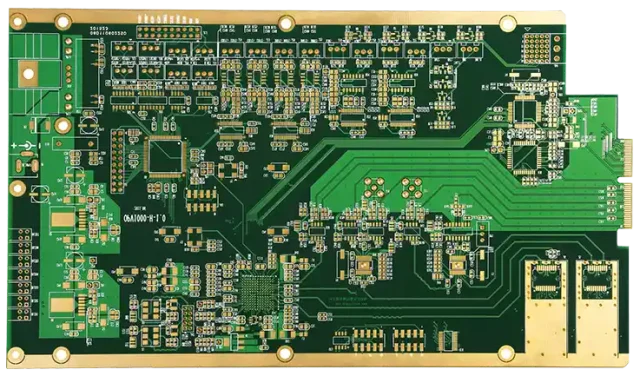
Taconic offers several material families tailored for different applications:
- RF-35 Series – Cost-effective alternative for standard RF designs
- TLX Series – Woven glass reinforced PTFE for improved mechanical strength
- TLY Series – Lightweight PTFE laminates with excellent electrical performance
- CER-10 – Ceramic-filled PTFE for enhanced thermal conductivity
Each series balances electrical performance, mechanical stability, and cost, allowing engineers to select based on specific design requirements.
Taconic PCB vs Other High-Frequency Materials
When selecting RF PCB materials, Taconic is often compared with other brands (e.g., Rogers).
Advantages of Taconic PCB:
- Competitive cost-performance ratio
- Broad material portfolio
- Reliable high-frequency performance
- Strong availability for volume production
Considerations:
- PTFE materials require specialized processing
- Manufacturing complexity is higher than FR4
- Design must account for thermal expansion differences
Applications of Taconic PCB
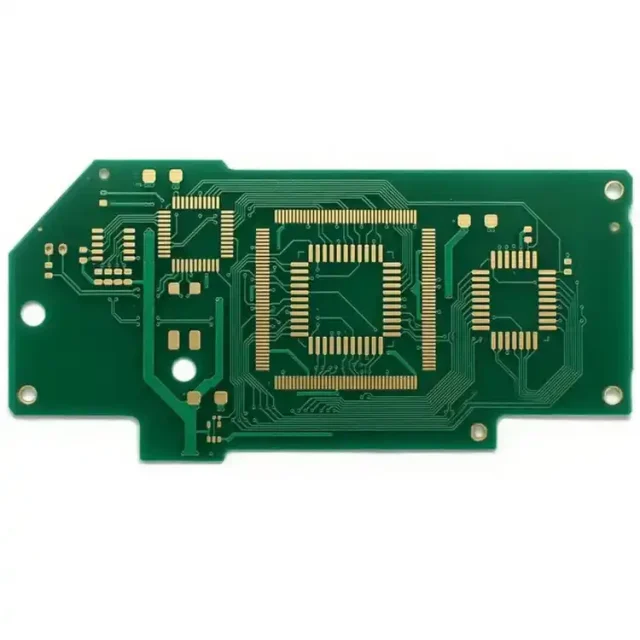
Taconic PCBs are widely used in high-frequency and high-speed electronic systems:
1. 5G Base Stations
Support high-frequency signal transmission with minimal loss.
2. Automotive Radar (77GHz)
Enable precise detection and signal stability in ADAS systems.
3. Aerospace & Defense
Used in radar, satellite communication, and avionics systems.
4. RF Antennas
Provide consistent dielectric performance for stable radiation patterns.
5. Microwave Circuits
Essential for filters, amplifiers, and signal processing modules.
Design & Manufacturing Challenges
Working with Taconic materials requires experienced PCB manufacturers due to:
- PTFE softness and handling difficulty
- Controlled drilling and plating processes
- Lamination complexity in multilayer designs
- Strict impedance control requirements
Choosing a manufacturer with RF PCB experience is critical to avoid signal degradation and yield issues.
Is Taconic PCB the Right Choice?
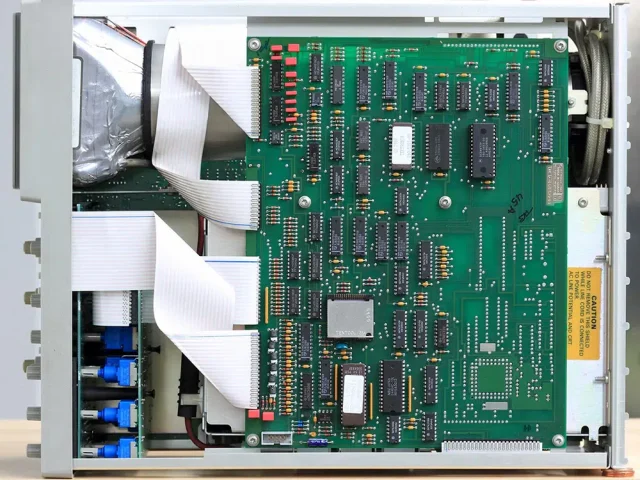
Taconic PCB is ideal if your project requires:
- High-frequency (>1 GHz) performance
- Low signal loss
- Stable dielectric properties
- Long-term reliability in harsh environments
However, for low-speed or cost-sensitive applications, standard FR4 may still be sufficient.
Conclusion
Taconic PCB materials provide a strong balance between performance and cost for RF and microwave applications. With excellent electrical characteristics and proven reliability, they are a solid choice for engineers designing next-generation communication and sensing systems.
For companies developing 5G, radar, or high-speed electronics, Taconic laminates offer a competitive edge when paired with the right PCB manufacturing partner.
