
As modern electronic systems operate at increasingly higher frequencies and data rates, maintaining signal integrity has become one of the most important challenges in PCB design. Signal attenuation, dielectric loss, and transmission distortion can significantly affect the performance of high-speed circuits.
To address these challenges, engineers rely on Low Loss PCBs, which are specifically designed using advanced materials and optimized layouts to reduce signal loss and maintain stable signal transmission.
Low loss PCBs are widely used in RF communication systems, high-speed digital circuits, 5G infrastructure, and advanced networking equipment.
What is a Low Loss PCB?
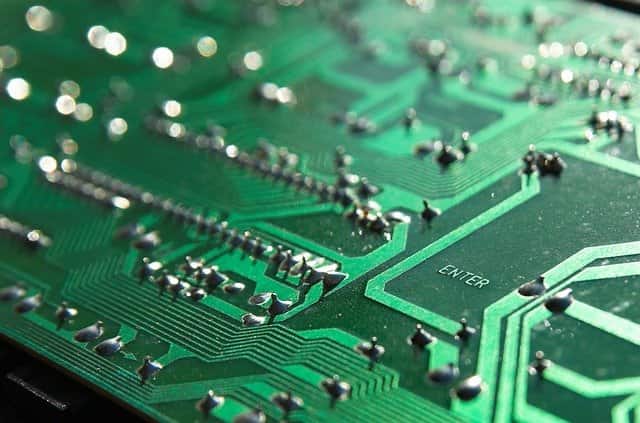
A Low Loss PCB is a printed circuit board manufactured with materials that exhibit low dielectric loss and stable electrical performance at high frequencies.
Compared with standard FR-4 materials, low loss PCB substrates significantly reduce signal attenuation during transmission, making them ideal for high-speed and RF applications.
Typical characteristics of low loss PCBs include:
-
Low dielectric loss (low dissipation factor)
-
Stable dielectric constant (Dk)
-
High signal transmission efficiency
-
Reduced signal distortion
These properties help ensure reliable signal integrity in demanding electronic systems.
Common Materials Used in Low Loss PCB
Material selection plays a critical role in achieving low signal loss in PCB designs.
Common low loss PCB materials include:
-
Rogers high-frequency laminates
-
PTFE-based substrates
-
Modified low-loss FR-4 materials
-
Hydrocarbon ceramic laminates
These materials provide stable electrical properties and support high-frequency circuit performance.
Advantages of Low Loss PCB
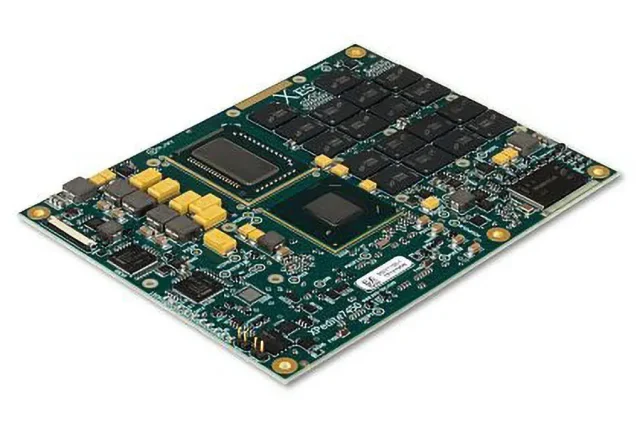
1. Improved Signal Integrity
Low loss materials reduce dielectric loss and signal attenuation, allowing high-speed signals to travel longer distances with minimal degradation.
This is essential for applications such as RF communication and high-speed data transmission.
2. Better Performance at High Frequencies
As operating frequencies increase, traditional PCB materials introduce higher signal loss. Low loss PCBs maintain stable performance even at microwave or millimeter-wave frequencies.
3. Enhanced Data Transmission Speed
Low loss PCBs support high data rates by reducing signal distortion and maintaining clean signal waveforms.
This is critical for modern communication interfaces such as:
-
High-speed networking systems
-
Data center equipment
-
5G infrastructure
4. Reduced Power Consumption
Lower signal loss means less power is required to maintain signal strength across circuits, improving overall system efficiency.
Applications of Low Loss PCB
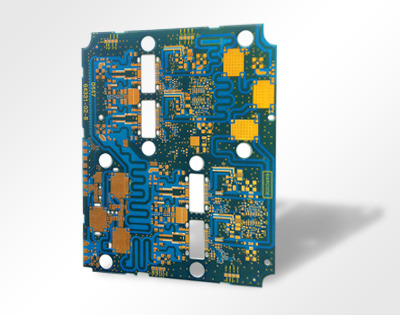
Low loss PCBs are widely used in industries that require high-frequency and high-speed signal transmission, including:
-
5G communication equipment
-
RF and microwave circuits
-
High-speed networking devices
-
Satellite communication systems
-
Automotive radar modules
-
High-speed computing systems
These applications depend on reliable signal transmission and minimal signal distortion.
Design Considerations for Low Loss PCB
To maximize performance, engineers must consider several key factors when designing low loss PCBs:
-
Controlled impedance routing
-
Proper PCB stack-up design
-
Minimizing signal path length
-
Ground plane optimization
-
Careful via design to reduce signal discontinuities
Optimizing these factors helps maintain signal integrity and improve overall circuit performance.
Conclusion
With the rapid advancement of high-speed digital systems and RF communication technologies, Low Loss PCBs have become essential for maintaining signal integrity and ensuring reliable system performance.
By combining advanced materials, precise impedance control, and optimized PCB layouts, low loss PCBs enable the next generation of communication infrastructure, high-speed networking devices, and advanced electronic systems.
