
UAV PCB for Advanced Drone and Aerial Systems
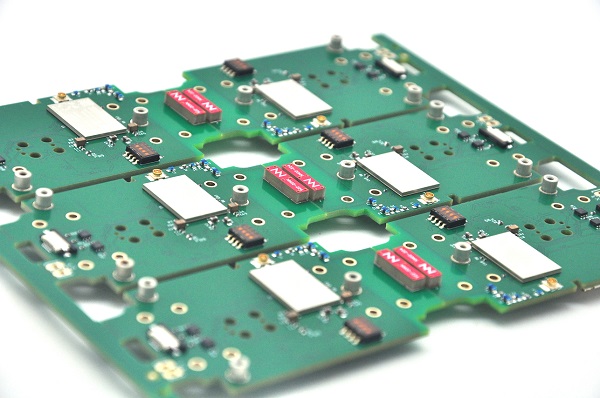
A UAV PCB (Unmanned Aerial Vehicle PCB) is a high-performance printed circuit board used in drone systems to support flight control, real-time communication, navigation, and power distribution.
UAV platforms demand compact size, lightweight construction, stable signal integrity, and resistance to vibration and temperature variation. As drone technology evolves toward higher autonomy and longer flight endurance, UAV PCB design becomes increasingly complex.
UAV PCB is widely applied in:
-
Consumer drones
-
Industrial inspection drones
-
Agricultural UAVs
-
Military UAV systems
-
Logistics delivery drones
-
Mapping and surveying platforms
Key Requirements of UAV PCB
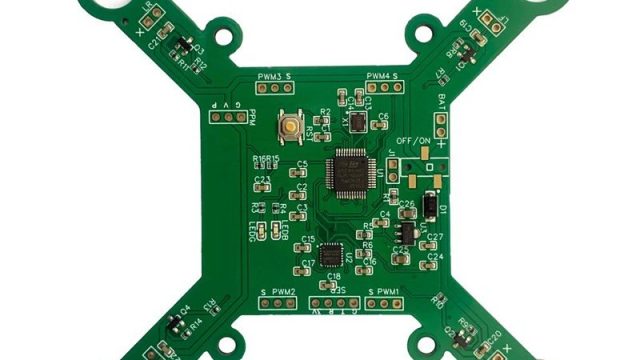
1. Lightweight and Compact Design
Weight directly affects flight time and maneuverability. UAV PCB design focuses on:
-
Multilayer compact stack-up
-
HDI routing technology
-
High density interconnect (microvias)
-
Optimized board thickness
Reducing size and weight without sacrificing performance is critical.
2. High Speed Signal Integrity
UAV systems integrate:
-
High-speed processors
-
Image processing modules
-
HD cameras
-
Real-time data transmission
UAV PCB must support:
-
Controlled impedance routing
-
Differential pair design
-
Low signal skew
-
Reduced EMI
Stable signal integrity ensures accurate flight control and data processing.
3. RF and Wireless Communication Support
Many UAV systems rely on:
-
GPS modules
-
2.4GHz / 5.8GHz communication
-
Long-range RF modules
-
5G or advanced data links
UAV PCB often integrates RF sections requiring:
-
Low loss materials
-
50Ω impedance control
-
Optimized antenna routing
-
Grounded coplanar waveguide design
Reliable communication is essential for safe operation.
4. Strong Vibration and Thermal Resistance
UAV PCBs operate under:
-
Continuous vibration
-
Rapid altitude changes
-
Wide temperature fluctuations
-
Outdoor humidity exposure
High TG materials and robust lamination processes improve mechanical stability and long-term durability.
5. Power Management Capability
Drone systems require efficient power control for:
-
Battery management
-
Motor control modules
-
Power distribution boards (PDB)
-
Voltage regulation circuits
UAV PCB may include heavy copper layers and reinforced power planes to handle stable current delivery.
Manufacturing Capabilities for UAV PCB
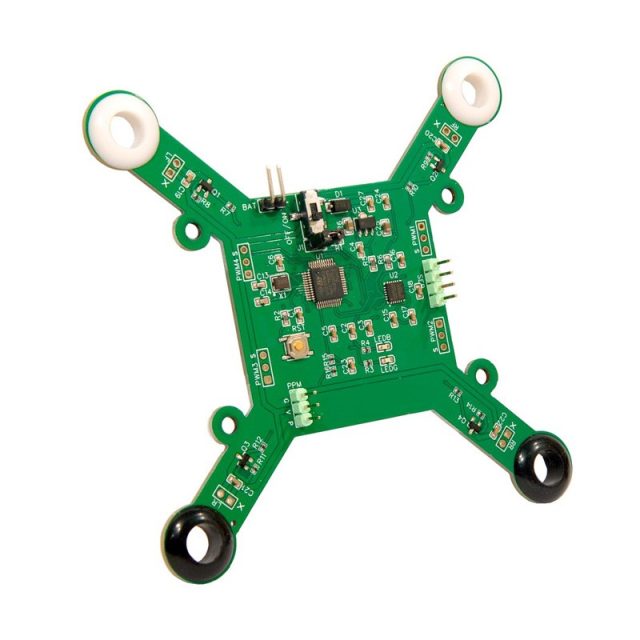
Professional UAV PCB fabrication may include:
-
4–16+ layer multilayer PCB
-
HDI microvia structures
-
Controlled impedance processing
-
High TG materials
-
Low loss RF laminates
-
Fine pitch assembly support
-
ENIG or ENEPIG surface finish
Strict quality inspection ensures reliability in mission-critical environments.
Applications of UAV PCB
UAV PCB is widely used in:
-
Flight control boards (FCB)
-
GPS navigation modules
-
Camera gimbal control boards
-
RF communication modules
-
Power distribution boards
-
Motor driver circuits
-
Obstacle detection systems
As UAV technology advances toward AI-driven autonomous flight, PCB complexity continues to increase.
UAV PCB vs Standard PCB
| Feature | Standard PCB | UAV PCB |
|---|---|---|
| Weight Optimization | Normal | Critical |
| Vibration Resistance | Moderate | High |
| RF Integration | Limited | Essential |
| Signal Speed | Standard | High Speed |
| Reliability Level | Commercial | High |
UAV PCB must combine performance, lightweight structure, and mechanical durability.
Conclusion
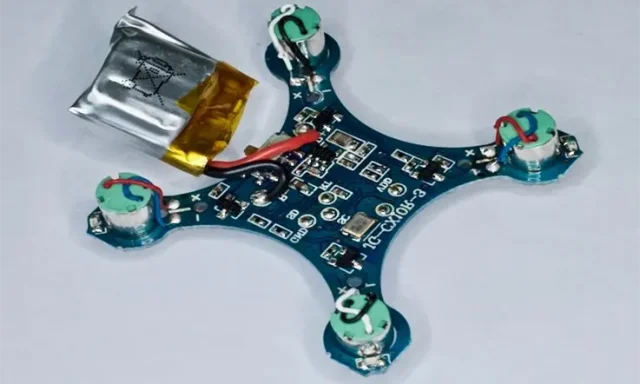
UAV PCB plays a central role in enabling safe, efficient, and intelligent drone operation. Through lightweight multilayer design, RF optimization, and high reliability manufacturing, UAV PCB supports advanced flight control, communication, and power systems.
As unmanned aerial systems continue to expand across commercial and industrial sectors, high-performance UAV PCB solutions are essential for achieving stability, precision, and long-term reliability.
