
TLY-5 PCB: High-Frequency PTFE Material for RF and Microwave Applications
With the rapid development of wireless communication, radar systems, and high-frequency electronics, the demand for low-loss PCB materials has increased significantly. TLY-5 PCB material is widely used in RF and microwave circuit designs due to its stable dielectric properties, low loss characteristics, and excellent high-frequency performance.
Manufactured by Taconic, TLY-5 laminates are PTFE-based materials reinforced with woven fiberglass, making them suitable for demanding RF and microwave PCB applications where signal stability and low insertion loss are critical.
What Is a TLY-5 PCB?
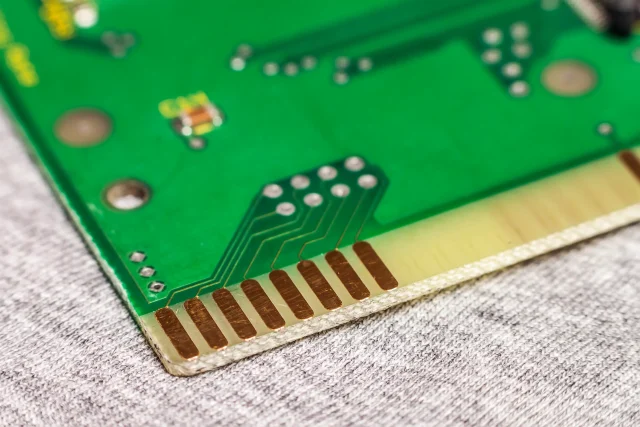
A TLY-5 PCB is a printed circuit board fabricated using TLY-5 high-frequency laminate material. This material is designed to provide consistent electrical performance across a wide range of frequencies, making it ideal for RF circuits and microwave applications.
Key material characteristics typically include:
-
Dielectric constant (Dk): approximately 2.2
-
Low dissipation factor (Df) for minimal signal loss
-
Stable electrical performance over wide frequency ranges
-
Excellent thermal and mechanical stability
These properties make TLY-5 a reliable material choice for high-frequency PCB designs.
Advantages of TLY-5 PCB
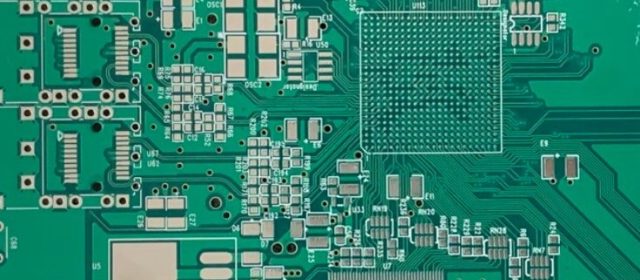
1. Low Dielectric Loss
TLY-5 materials offer a very low dissipation factor, which helps minimize signal attenuation in high-frequency circuits.
2. Stable Dielectric Constant
The stable dielectric constant ensures accurate impedance control and consistent signal propagation, which is critical in RF circuit design.
3. Excellent High-Frequency Performance
TLY-5 PCBs are optimized for microwave frequencies, enabling reliable performance in GHz-level communication systems.
4. Good Thermal and Mechanical Stability
The fiberglass-reinforced PTFE structure provides strength and dimensional stability during PCB manufacturing and operation.
5. Reliable Impedance Control
The uniform dielectric properties allow engineers to design precise impedance-controlled traces for RF transmission lines.
TLY-5 PCB Design Considerations
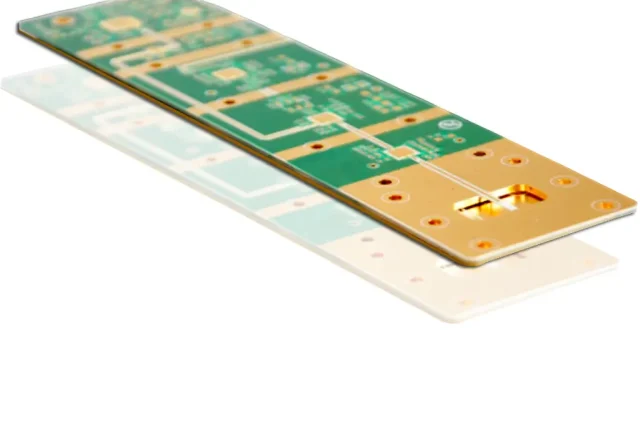
When designing a TLY-5 PCB, engineers should consider several important factors:
-
Controlled impedance routing for RF signal paths
-
Proper grounding and shielding to reduce electromagnetic interference
-
Smooth trace transitions to minimize signal reflections
-
Accurate stackup design for multilayer RF PCBs
-
Material handling during fabrication, as PTFE-based laminates require specialized processing
Close collaboration with experienced PCB manufacturers ensures optimal results when working with TLY-5 materials.
Applications of TLY-5 PCB
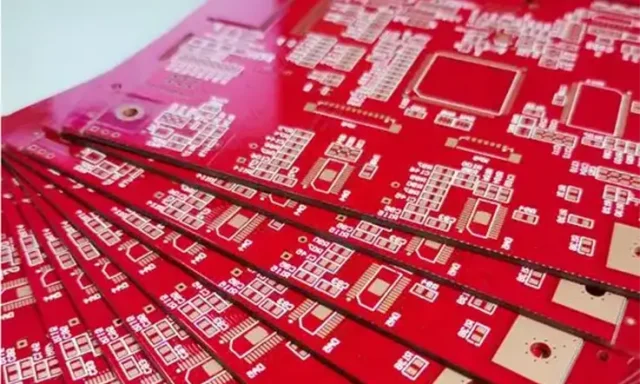
TLY-5 PCBs are widely used in high-frequency electronic systems, including:
-
RF communication systems
-
Microwave circuits
-
Satellite communication equipment
-
Radar systems
-
Wireless networking devices
-
Antenna modules
These applications require low signal loss and stable electrical performance at high frequencies.
TLY-5 PCB vs Standard FR-4 PCB
Compared with traditional FR-4 materials, TLY-5 PCBs provide several advantages for high-frequency designs:
-
Lower dielectric loss
-
Better high-frequency signal transmission
-
More stable dielectric properties
-
Improved impedance control
While TLY-5 materials typically have higher costs and require specialized processing, they are essential for RF and microwave PCB applications where performance is critical.
Conclusion
TLY-5 PCB technology offers excellent electrical performance for high-frequency and microwave circuit designs. With its low-loss PTFE-based laminate structure, stable dielectric properties, and reliable impedance control, TLY-5 PCBs provide engineers with an effective solution for advanced RF communication systems and high-frequency electronic applications.
