
Wireless communication devices rely on efficient radio frequency (RF) circuits to transmit and receive signals. At the center of these systems is the RF transceiver, a module responsible for both signal transmission and reception.
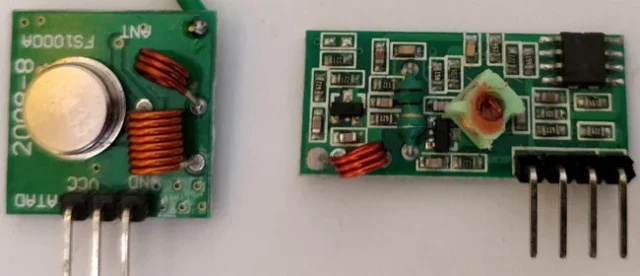
The RF Transceiver PCB provides the physical platform for integrating RF components such as amplifiers, mixers, filters, and antennas. Designing these PCBs requires careful attention to signal integrity, impedance control, and electromagnetic compatibility to ensure reliable wireless communication.
What is an RF Transceiver PCB?
An RF Transceiver PCB is a high-frequency printed circuit board designed to support radio frequency circuits responsible for transmitting and receiving wireless signals.
These PCBs typically integrate:
-
RF power amplifiers
-
Low-noise amplifiers (LNA)
-
Mixers and filters
-
Frequency synthesizers
-
Antenna interfaces
The PCB layout must ensure minimal signal loss and strong RF performance across the communication system.
Key Design Requirements for RF Transceiver PCB
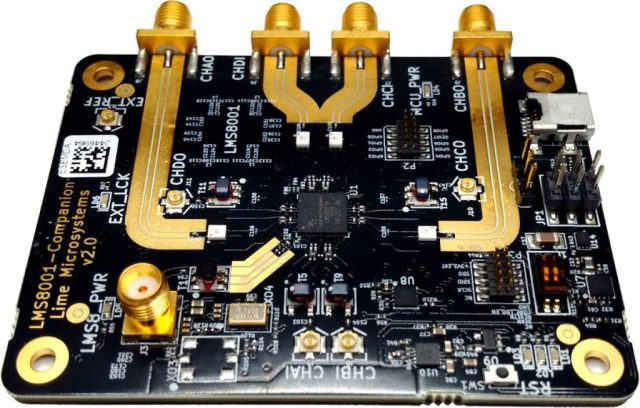
1. Controlled Impedance Routing
RF signals require precise impedance control to prevent reflections and signal degradation.
Common impedance configurations include:
-
50-ohm single-ended transmission lines
-
100-ohm differential pairs
Accurate trace width, spacing, and dielectric thickness are essential for maintaining consistent impedance.
2. Low-Loss PCB Materials
High-frequency signals are sensitive to dielectric loss. Using appropriate materials helps maintain signal strength.
Typical materials include:
-
High-frequency laminates
-
PTFE-based substrates
-
Low-loss modified FR-4 materials
These materials help reduce attenuation in RF transmission paths.
3. RF Layout Optimization
PCB layout plays a critical role in RF performance.
Design best practices include:
-
Short RF signal paths
-
Proper grounding structures
-
Isolation between RF and digital circuits
-
Careful placement of RF components
These techniques help minimize interference and maintain signal quality.
4. Electromagnetic Compatibility (EMC)
RF circuits are highly sensitive to electromagnetic interference.
To improve EMC performance, designers often implement:
-
Ground shielding structures
-
Dedicated RF ground planes
-
Proper return current paths
These measures reduce noise and improve overall system stability.
5. Thermal Management
RF power amplifiers can generate significant heat during operation.
Effective thermal solutions include:
-
Thermal vias
-
Copper planes for heat spreading
-
Proper component placement
Efficient thermal management ensures reliable long-term operation.
Applications of RF Transceiver PCB
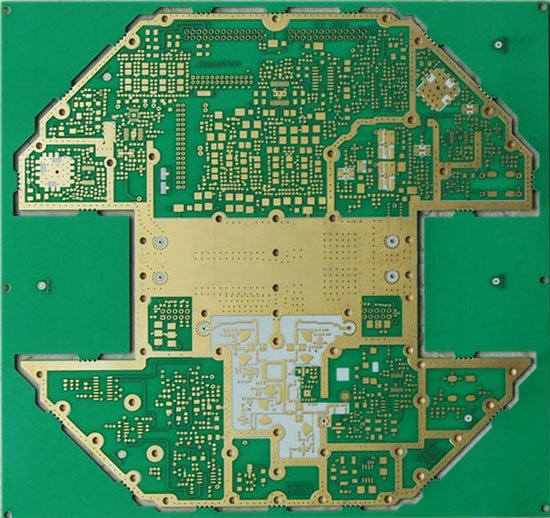
RF transceiver PCBs are widely used in modern wireless communication systems, including:
-
5G communication devices
-
Wireless networking equipment
-
Satellite communication systems
-
IoT communication modules
-
Radar and sensing systems
-
Mobile communication devices
These applications require high-performance RF circuitry for stable wireless connectivity.
Manufacturing Considerations
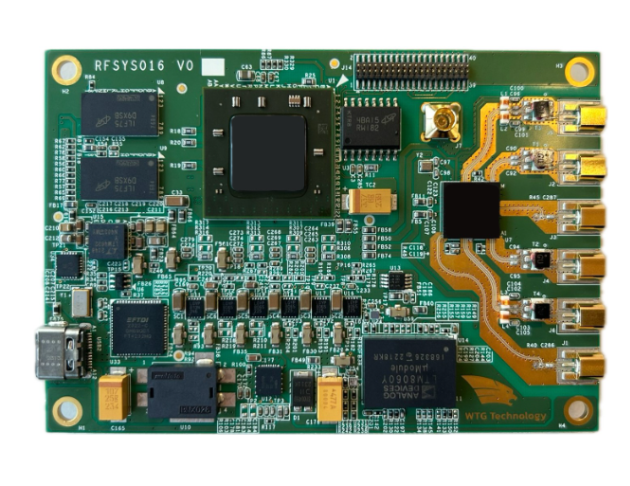
Producing high-quality RF transceiver PCBs requires advanced manufacturing capabilities, such as:
-
Precision impedance control
-
High-frequency material processing
-
Fine line and spacing fabrication
-
High-quality RF testing and inspection
Strict quality control ensures consistent RF performance in mass production.
Conclusion
RF transceiver PCBs play a crucial role in enabling reliable wireless communication systems. By combining advanced PCB materials, optimized RF layouts, and precise manufacturing techniques, these circuit boards support efficient signal transmission and reception across a wide range of modern electronic devices.
As wireless technologies continue to evolve, RF transceiver PCB design will remain a key factor in improving communication performance and system reliability.
