
Why PCB Prototype Services Are Essential
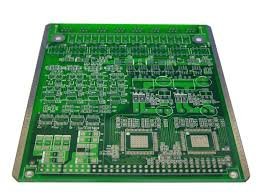
In modern electronics development, speed and flexibility are critical for:
- Product innovation
- Hardware validation
- Engineering testing
- Market launch acceleration
- Design optimization
Before entering mass production, most electronic products require multiple rounds of PCB Prototype development to verify:
- Circuit functionality
- Signal integrity
- Thermal performance
- Manufacturing feasibility
- Assembly reliability
Industries such as:
- Consumer electronics
- Automotive systems
- Medical equipment
- Aerospace electronics
- RF communication systems
all rely heavily on professional PCB prototyping services.
At KKPCB, advanced PCB prototype solutions support:
- Rapid engineering development
- High-reliability PCB fabrication
- Fast PCB assembly validation
What Is a PCB Prototype?
A PCB Prototype is an early-stage printed circuit board manufactured for:
- Functional testing
- Engineering verification
- Design validation
- Performance evaluation
- Manufacturing assessment
PCB prototype production helps engineers identify:
- Design errors
- Signal integrity problems
- Thermal management issues
- Component placement risks
- Assembly challenges
PCB prototypes are commonly produced in:
- Small quantities
- Fast turnaround cycles
- Multiple design revisions
Types of PCB Prototype Services
PCB prototype manufacturing supports many different PCB technologies.
Common prototype categories include:
- Single-layer PCB prototype
- Multilayer PCB prototype
- HDI PCB prototype
- Flexible PCB prototype
- Rigid-flex PCB prototype
- High-frequency RF PCB prototype
- Aluminum PCB prototype
Different applications require different:
- Materials
- Layer structures
- Manufacturing tolerances
- Assembly processes
Multilayer PCB Prototype Technology
Modern electronic products increasingly use:
- High-density multilayer PCB structures
- Compact routing architectures
- High-speed communication interfaces
Multilayer PCB prototypes improve:
- Signal routing capability
- EMI suppression
- Power distribution stability
- System miniaturization
Advanced multilayer stack-up engineering supports:
- High-speed digital systems
- AI computing platforms
- RF communication modules
At KKPCB, advanced stack-up optimization improves:
- Prototype reliability
- Manufacturing efficiency
- High-speed signal performance
High-Speed and RF PCB Prototype Design
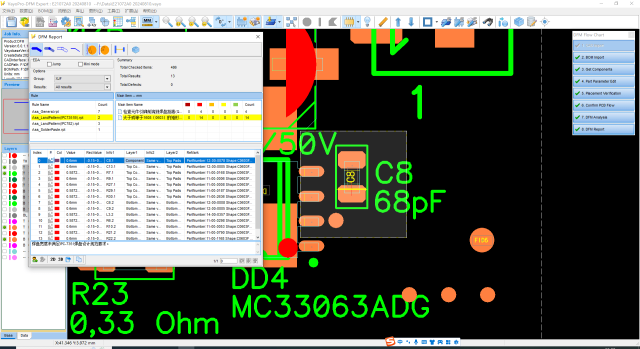
High-speed and RF electronic systems require advanced PCB prototype engineering.
Applications include:
- 5G communication systems
- Automotive radar modules
- Satellite communication electronics
- IoT wireless devices
- Aerospace RF platforms
RF PCB prototypes require:
- Controlled impedance routing
- Low-loss PCB materials
- Stable signal integrity
- RF shielding optimization
High-frequency PCB prototyping helps engineers evaluate:
- Signal transmission quality
- RF performance
- Antenna integration capability
Controlled Impedance in PCB Prototype Design
Controlled impedance is essential for:
- High-speed digital routing
- Differential signal pairs
- RF communication systems
- Microwave PCB applications
PCB prototype validation often includes:
- Impedance testing
- Signal integrity analysis
- Transmission quality verification
Proper impedance control improves:
- Signal stability
- Data transmission accuracy
- Communication reliability
At KKPCB, advanced impedance engineering ensures:
- Stable prototype performance
- Reliable high-speed routing quality
- Accurate RF transmission capability
PCB Prototype Assembly (PCBA Prototype)
Many prototype projects also require:
- SMT assembly
- Through-hole assembly
- BGA assembly
- Functional testing
- Prototype debugging
PCB assembly prototypes help validate:
- Component compatibility
- Soldering reliability
- Functional operation
- System integration performance
Prototype PCBA services support:
- Engineering samples
- Small-batch production
- Hardware testing platforms
DFM Optimization During PCB Prototype Development
Design for Manufacturability (DFM) analysis is critical during prototype evaluation.
DFM review helps identify:
- Trace spacing issues
- Drill tolerance risks
- Assembly conflicts
- Thermal reliability concerns
- Manufacturing limitations
Early DFM optimization reduces:
- Redesign cycles
- Prototype failures
- Production delays
Professional PCB prototype services improve:
- Manufacturing readiness
- Product reliability
- Mass production transition efficiency
Thermal Management in PCB Prototype Design
High-performance electronic systems generate significant heat from:
- Processors
- RF amplifiers
- Power management ICs
- AI accelerators
Thermal prototype evaluation helps engineers analyze:
- Heat distribution
- Thermal dissipation efficiency
- Long-term reliability
Thermal optimization techniques include:
- Thermal via arrays
- Copper balancing
- Heat-spreading structures
- Heat sink integration
Efficient thermal management improves:
- System stability
- Prototype reliability
- Product lifespan
Fast-Turn PCB Prototype Manufacturing
Rapid PCB prototyping is essential for:
- Accelerated product development
- Engineering testing schedules
- Competitive product launch timelines
Fast-turn PCB services require:
- Efficient engineering review
- Automated manufacturing workflows
- Quick material preparation
- Precision fabrication capability
Fast PCB prototype production helps companies:
- Reduce development cycles
- Speed up hardware validation
- Improve product launch efficiency
Manufacturing Challenges in PCB Prototype Production
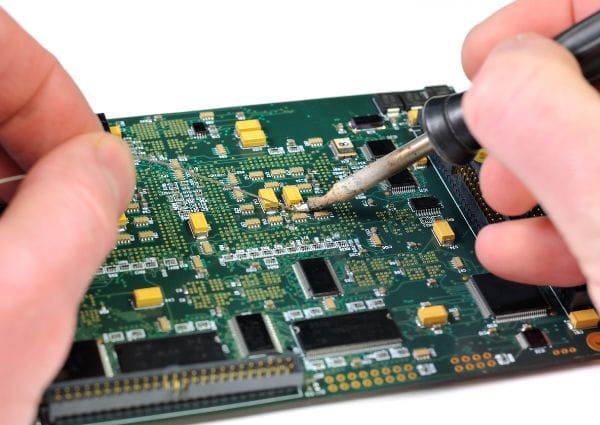
PCB prototype fabrication requires flexibility and precision.
Key manufacturing challenges include:
- Small-batch process control
- Tight delivery schedules
- Rapid engineering modifications
- Complex multilayer structures
- High-speed signal routing requirements
Prototype manufacturing must maintain:
- Consistent quality
- Accurate impedance control
- Reliable assembly performance
At KKPCB, advanced manufacturing systems ensure:
- Stable prototype quality
- Rapid production turnaround
- Reliable multilayer PCB fabrication capability
Applications of PCB Prototype Services
PCB prototype technology is widely used in:
- Consumer electronics development
- Automotive electronics testing
- Aerospace hardware validation
- Medical device engineering
- AI computing systems
- Industrial automation platforms
- RF communication product development
These industries require:
- Rapid engineering validation
- High-reliability PCB fabrication
- Flexible prototype manufacturing capability
Future Trends in PCB Prototype Technology
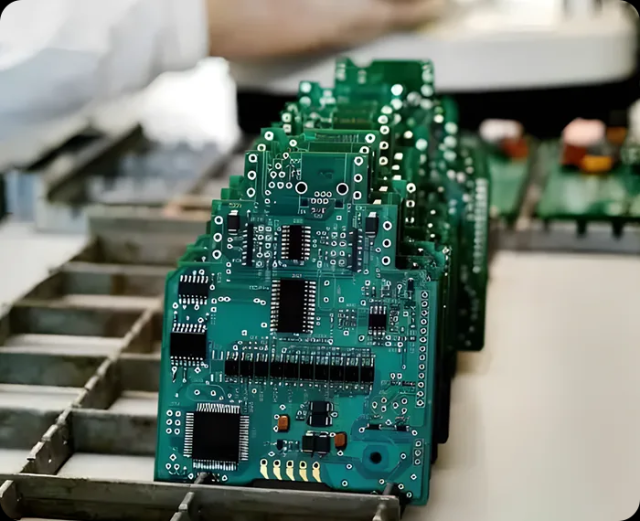
Future PCB prototype development focuses on:
- AI-assisted PCB design
- Ultra-high-density HDI PCB structures
- Advanced RF PCB integration
- Faster prototype manufacturing automation
- Smart manufacturing systems
Emerging technologies require:
- Shorter development cycles
- Higher PCB complexity
- Better signal integrity
- More advanced thermal optimization
Conclusion
PCB Prototype technology plays a critical role in modern electronics development.
Through optimized:
- Fast-turn PCB manufacturing
- Multilayer stack-up engineering
- Controlled impedance routing
- RF PCB optimization
- DFM analysis and assembly validation
engineers can achieve:
- Faster product development
- Better hardware reliability
- Improved manufacturing readiness
- More successful mass production transitions
With extensive expertise in PCB prototyping and advanced PCB manufacturing, KKPCB delivers fast and reliable PCB prototype solutions for next-generation electronic systems.
