
What Is a Low Loss PCB?
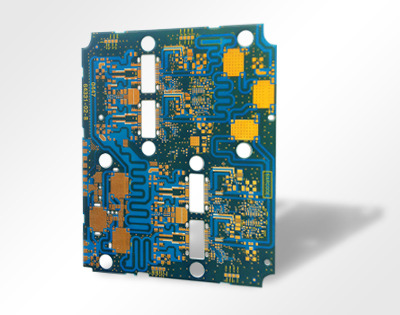
A Low Loss PCB is a printed circuit board engineered to reduce signal attenuation, insertion loss, and phase distortion during signal transmission. It is essential for high-speed digital, RF, and millimeter-wave applications, where even small signal losses can significantly impact system performance.
Low loss PCBs are widely used in 5G communication, mmWave modules, ADAS radar, high-frequency sensors, and high-speed networking equipment.
Why Low Loss PCB Matters
As data rates and operating frequencies increase, signal loss becomes a critical design concern. A well-designed low loss PCB helps to:
-
Reduce insertion loss over long signal paths
-
Improve eye diagram quality
-
Maintain stable impedance at high frequencies
-
Minimize signal distortion and phase error
-
Enhance overall system reliability
Low loss PCB design is essential for modern high-performance electronics.
Low Loss PCB Material Selection
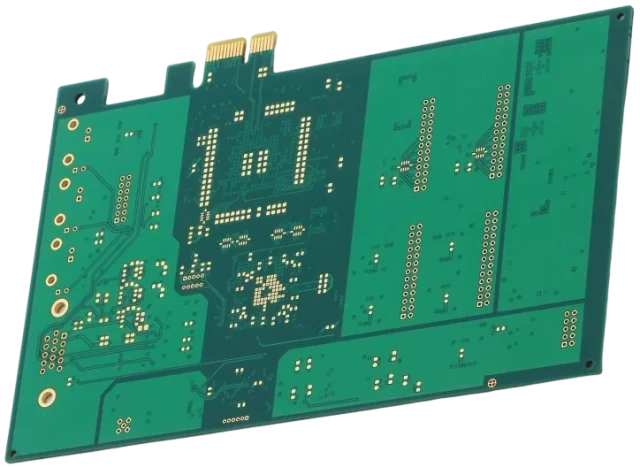
Material choice is the foundation of low loss PCB performance. Common low-loss materials include:
-
Rogers RO4350B / RO4835 PCB
-
RF-35 PCB
-
Panasonic Megtron 7 PCB
-
Advanced low-loss hybrid PCB materials
These materials offer low dissipation factor (Df), stable dielectric constant (Dk), and excellent thermal reliability.
Design Considerations for Low Loss PCB
Achieving low signal loss requires careful PCB design:
-
Impedance controlled PCB routing
-
Optimized multilayer stack-up
-
Short, direct signal paths
-
Low-profile copper foil to reduce conductor loss
-
Proper via design to minimize stubs and reflections
-
Good grounding and shielding strategies
Signal integrity simulation is often recommended for low loss PCB designs.
Manufacturing Requirements for Low Loss PCB
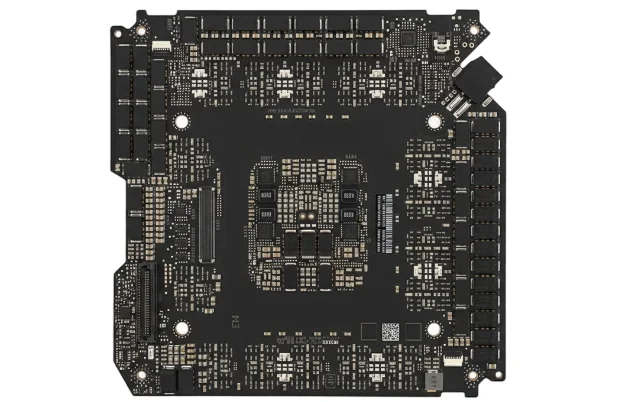
Producing a high-quality low loss PCB requires advanced manufacturing control:
-
Tight dielectric thickness tolerance
-
Controlled copper surface roughness
-
High-precision etching and registration
-
Accurate multilayer lamination
-
Impedance and RF performance testing
Manufacturing consistency is essential to achieve repeatable low-loss performance.
Applications of Low Loss PCB
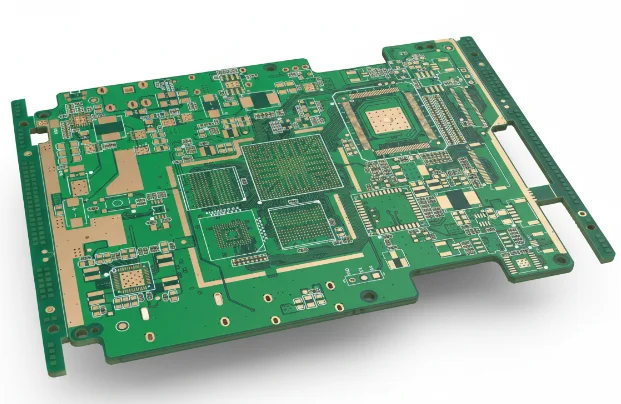
Low loss PCBs are widely used in:
-
5G routers and communication systems
-
mmWave module and RF front-end PCBs
-
High frequency sensor PCB
-
ADAS radar and automotive electronics
-
High-speed networking and data center equipment
-
Semiconductor test and measurement boards
They enable reliable high-speed and high-frequency operation.
Conclusion
A Low Loss PCB is a critical foundation for high-speed, high-frequency, and millimeter-wave electronic systems. By combining advanced materials, precise impedance control, optimized design, and high-quality manufacturing, low loss PCBs deliver superior signal integrity and long-term reliability.
Choosing an experienced low loss PCB manufacturer ensures accurate material selection, stable production quality, and dependable performance from prototype to mass production.
