
The Growing Demand for Industrial Automation PCB Technology
Modern industries are rapidly evolving toward:
- Smart manufacturing
- Intelligent robotics
- AI-driven production systems
- Real-time industrial monitoring
- Automated control platforms
Industrial automation systems now play a critical role in:
- Factory production lines
- Robotics control systems
- Industrial networking
- Motion control platforms
- Intelligent sensor integration
- Automated inspection systems
These advanced systems require highly reliable Industrial Automation PCB solutions capable of supporting:
- Continuous operation
- High-speed communication
- Stable power management
- Harsh industrial environments
- Long-term operational durability
Traditional PCB structures often face challenges in industrial environments because of:
- Electromagnetic interference
- Thermal stress
- High-density electronic integration
- Continuous vibration exposure
As industrial systems become increasingly intelligent and interconnected, advanced Industrial Automation PCB technology has become essential for:
- Industrial control electronics
- Smart manufacturing platforms
- High-reliability automation systems
At KKPCB, advanced industrial PCB solutions are engineered for:
- Intelligent control systems
- Robotics electronics
- Industrial communication platforms
What Is an Industrial Automation PCB?
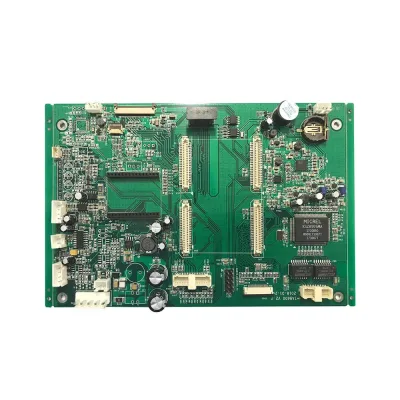
An Industrial Automation PCB is a printed circuit board specifically designed for:
- Industrial control systems
- Automation equipment
- Robotics platforms
- Motion control electronics
- Smart manufacturing infrastructure
Industrial Automation PCB systems are commonly used in:
- PLC controllers
- Industrial robots
- Motor control systems
- Sensor integration modules
- Power management systems
- Industrial networking equipment
These PCB systems must provide:
- High operational reliability
- Stable communication capability
- Efficient thermal performance
- Reliable power integrity
- Long-term industrial durability
Key Characteristics of Industrial Automation PCB
High-Reliability Industrial Performance
Industrial automation systems often operate:
- Continuously for extended periods
- In high-vibration environments
- Under temperature variation
- Around electrical noise sources
Industrial Automation PCB technology therefore requires:
- Stable long-term operation
- Mechanical durability
- Thermal reliability
- Industrial-grade electrical performance
These characteristics improve:
- Production line stability
- Equipment reliability
- Manufacturing efficiency
High-Speed Communication Capability
Modern automation systems rely heavily on:
- Industrial Ethernet
- Sensor networking
- AI data processing
- Real-time machine communication
Industrial Automation PCB design focuses on:
- High-speed signal routing
- Stable communication interfaces
- Differential pair optimization
- Signal integrity management
These techniques improve:
- Communication reliability
- Real-time processing capability
- Automation accuracy
Controlled Impedance Routing
Controlled impedance is essential for:
- Industrial communication systems
- High-speed data interfaces
- Motion control platforms
- AI processing electronics
Industrial Automation PCB routing must carefully optimize:
- Trace geometry
- Stack-up structures
- Signal return paths
- Routing consistency
At KKPCB, advanced multilayer PCB engineering ensures:
- Stable industrial communication
- Reliable signal transmission
- Accurate impedance consistency
High-Density Multilayer Integration
Industrial automation systems increasingly require:
- Compact electronic integration
- High-density routing
- Efficient power distribution
- Multiple communication interfaces
Multilayer PCB structures improve:
- Routing efficiency
- EMI suppression
- System miniaturization
- Signal isolation capability
These technologies are especially important for:
- Robotics control systems
- AI automation platforms
- Smart factory equipment
PCB Materials for Industrial Automation PCB
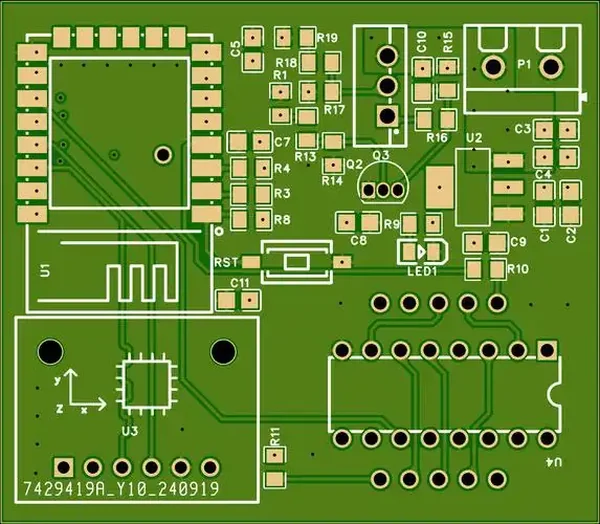
Material selection strongly affects:
- Mechanical durability
- Thermal reliability
- Signal integrity
- Industrial operating stability
Common Industrial Automation PCB materials include:
- High Tg FR4
- Low-loss high-speed laminates
- Heavy copper PCB materials
- Industrial-grade multilayer substrates
Important material properties include:
- Thermal stability
- Electrical consistency
- Mechanical strength
- Vibration resistance
Multilayer Stack-Up Design for Industrial Automation PCB
Modern automation electronics commonly use:
- Multilayer PCB architectures
- Mixed-signal stack-up structures
- Dedicated power and ground planes
- High-speed communication layers
Proper multilayer stack-up improves:
- Signal integrity
- Power distribution efficiency
- EMI suppression
- Thermal balancing
Optimized PCB structures reduce:
- Crosstalk interference
- Communication instability
- Power noise coupling
Thermal Management in Industrial Automation PCB
Industrial control systems generate concentrated heat from:
- Motor drivers
- AI processors
- Power management ICs
- Communication modules
Thermal management solutions include:
- Thermal via arrays
- Copper heat-spreading structures
- Heat sink integration
- Thermal balancing PCB design
Efficient thermal management improves:
- System reliability
- Operational stability
- Product lifespan
EMI and EMC Optimization
Industrial environments contain significant electromagnetic interference sources.
EMI suppression strategies include:
- Ground shielding structures
- Differential routing techniques
- Via stitching optimization
- Layer isolation management
- Controlled return current paths
Effective EMI control improves:
- Communication reliability
- Sensor accuracy
- Automation stability
Manufacturing Challenges of Industrial Automation PCB
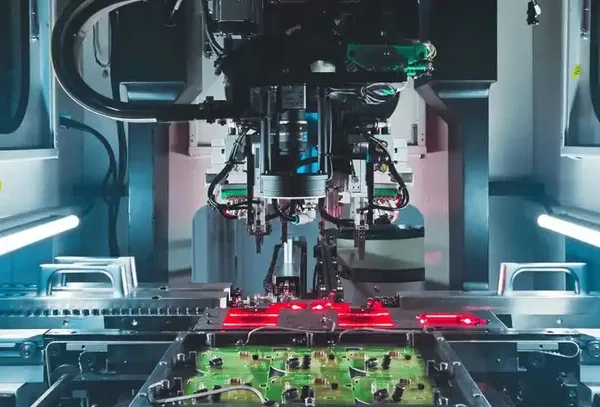
Industrial Automation PCB fabrication requires:
- High manufacturing precision
- Stable multilayer alignment
- Reliable industrial durability
- Tight impedance tolerance control
Key manufacturing challenges include:
- Fine-pitch routing accuracy
- Thermal reliability management
- Industrial-grade quality consistency
- High-speed communication optimization
Industrial PCB manufacturing must ensure:
- Long-term operational stability
- Mechanical vibration resistance
- Reliable automation performance
At KKPCB, advanced manufacturing technologies ensure:
- Reliable industrial PCB quality
- Stable automation system performance
- Consistent multilayer PCB production capability
Applications of Industrial Automation PCB
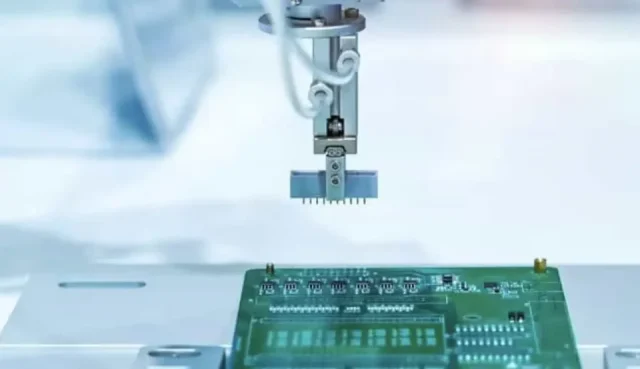
Industrial Automation PCB technology is widely used in:
- Industrial robotic systems
- PLC control platforms
- Smart manufacturing equipment
- Industrial IoT systems
- Motion control electronics
- Automated inspection equipment
- Factory automation infrastructure
These applications require:
- Stable industrial communication
- Reliable power management
- High-speed signal processing capability
Future Trends in Industrial Automation PCB Technology
Future Industrial Automation PCB development focuses on:
- AI-integrated manufacturing systems
- Autonomous industrial robotics
- Smart industrial networking
- High-speed factory communication
- Compact intelligent control systems
Emerging technologies require:
- Faster signal transmission
- Better thermal efficiency
- Higher power density
- More compact multilayer PCB architectures
Conclusion
Industrial Automation PCB technology is essential for modern:
- Smart manufacturing systems
- Industrial robotics platforms
- Intelligent automation electronics
Through optimized:
- Multilayer PCB engineering
- Controlled impedance routing
- Signal integrity optimization
- Thermal management design
- Advanced industrial manufacturing precision
engineers can achieve:
- Better automation efficiency
- Improved communication reliability
- Higher operational stability
- Smarter industrial control performance
With extensive expertise in industrial PCB engineering and intelligent manufacturing solutions, KKPCB delivers advanced PCB solutions for next-generation industrial automation technologies.
