
What Is a Ceramic PCB?
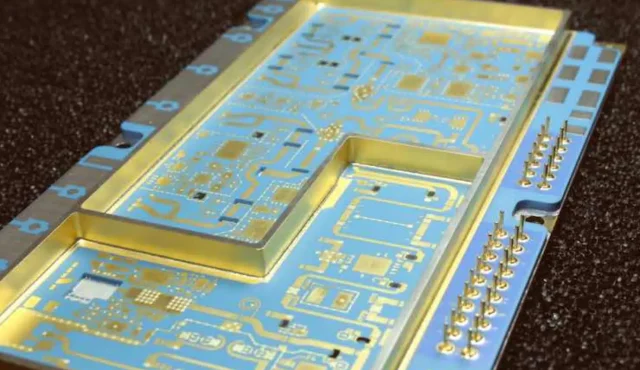
A Ceramic PCB is a high-performance thermal PCB built on a ceramic substrate, designed for applications requiring efficient heat dissipation, electrical insulation, and high reliability.
Unlike standard FR-4 or metal-core PCBs, a ceramic PCB uses materials such as:
- Aluminum Oxide (Al₂O₃)
- Aluminum Nitride (AlN)
- Beryllium Oxide (BeO)
These ceramic substrates provide superior thermal conductivity and mechanical stability, making ceramic PCB technology essential in high-power and high-temperature environments.
In thermal-critical designs, a ceramic PCB is often the most effective solution.
Why Ceramic PCBs Matter in Thermal Design
The primary advantage of a Ceramic PCB lies in its thermal performance.
Compared to traditional PCBs, ceramic substrates offer:
- High Thermal Conductivity
Rapid heat transfer away from components - Excellent Electrical Insulation
High dielectric strength even at elevated temperatures - Low Thermal Expansion (CTE)
Reduces stress between PCB and components - High Temperature Resistance
Maintains performance in extreme environments - Long-Term Reliability
Stable material properties over time
A ceramic PCB acts as both a circuit carrier and heat management solution.
Ceramic PCB vs Metal-Core PCB (MCPCB)
Many engineers compare ceramic PCB with metal-core PCB (such as aluminum PCB).
| Property | Ceramic PCB | Metal-Core PCB |
|---|---|---|
| Thermal Conductivity | Very High (especially AlN) | Moderate |
| Electrical Insulation | Excellent | Requires dielectric layer |
| CTE Matching | Excellent | Limited |
| High-Frequency Performance | Good | Limited |
| Cost | Higher | Lower |
Key Insight:
Ceramic PCB provides better thermal and electrical performance, while MCPCB offers a cost-effective alternative.
Types of Ceramic PCB Substrates
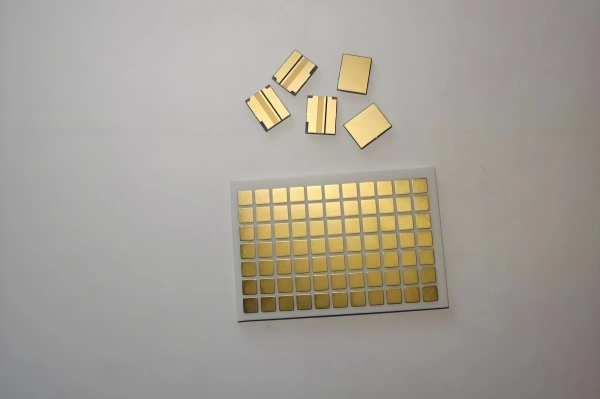
Different ceramic materials are used depending on application requirements:
1. Aluminum Oxide (Al₂O₃) Ceramic PCB
- Most common and cost-effective
- Moderate thermal performance
2. Aluminum Nitride (AlN) Ceramic PCB
- High thermal conductivity
- Ideal for high-power and RF applications
3. Beryllium Oxide (BeO) Ceramic PCB
- Extremely high thermal performance
- Limited use due to safety concerns
Material selection directly impacts thermal performance and cost.
Ceramic PCB Design Considerations
Designing a ceramic PCB requires a different approach compared to standard PCBs:
1. Thermal Path Optimization
- Place heat-generating components directly on ceramic substrate
- Minimize thermal resistance
2. Layout Constraints
- Limited routing layers compared to multilayer PCBs
- Careful component placement is critical
3. Metallization Process
- DBC (Direct Bonded Copper)
- DPC (Direct Plated Copper)
4. Mechanical Considerations
- Ceramic is brittle—avoid mechanical stress concentration
5. RF Performance (Optional)
- Ceramic PCB can support RF applications due to stable dielectric properties
Ceramic PCB design is a balance between thermal performance and structural limitations.
When Should You Use a Ceramic PCB?
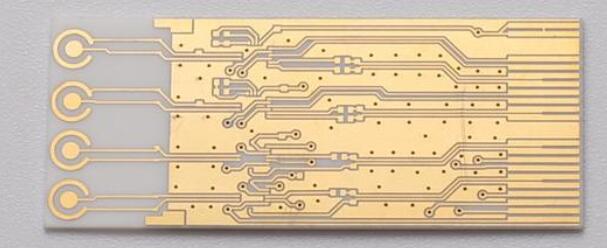
Use a Ceramic PCB when:
- High power density generates significant heat
- Thermal management is critical
- High reliability is required
- Operating temperatures are extreme
- Applications include:
- Power electronics
- LED modules
- Automotive systems
- RF power devices
Avoid using ceramic PCB when:
- Cost sensitivity is high
- Thermal requirements are moderate
- Standard FR-4 or MCPCB can meet needs
Engineering principle:
Use ceramic PCB when thermal performance cannot be compromised.
Cost & Application Trade-Off
Ceramic PCB offers superior performance—but at a higher cost.
Cost drivers include:
- Ceramic substrate material
- Metallization process (DBC/DPC)
- Processing complexity
- Lower production volume
Optimization strategy:
- Use ceramic PCB only in heat-critical areas
- Combine with other PCB technologies if possible
Smart design = targeted use of ceramic PCB, not full overdesign.
Common Mistakes in Ceramic PCB Design
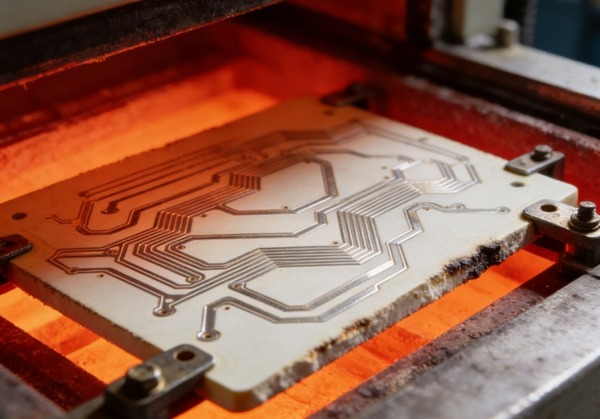
Avoid these typical errors:
- Ignoring mechanical brittleness
- Overdesigning with unnecessary ceramic layers
- Poor thermal path planning
- Treating ceramic PCB like FR-4
- Not considering manufacturing constraints
These mistakes can increase cost without improving performance.
Final Thoughts
Ceramic PCBs are essential for applications requiring high thermal performance, electrical insulation, and long-term reliability.
Their success depends on:
- Correct material selection
- Thermal-focused design strategy
- Understanding structural limitations
- Balancing cost and performance
At KKPCB, we provide Ceramic PCB solutions with advanced materials and precision manufacturing, helping customers achieve efficient thermal management and reliable performance in demanding applications.
