
A Burn-in Board PCB is a specialized semiconductor test PCB used during the burn-in process to identify early-life failures in integrated circuits. Installed in burn-in ovens or Automated Test Equipment (ATE) systems, burn-in board PCBs operate under elevated temperatures, extended test durations, and high electrical stress, making reliability and material stability critical.
Unlike standard IC test boards, a burn-in board PCB must maintain electrical integrity, mechanical stability, and thermal endurance throughout prolonged test cycles. A professionally engineered burn-in board ensures consistent stress conditions, accurate monitoring, and dependable semiconductor reliability screening.
Key Technical Requirements of Burn-in Board PCBs
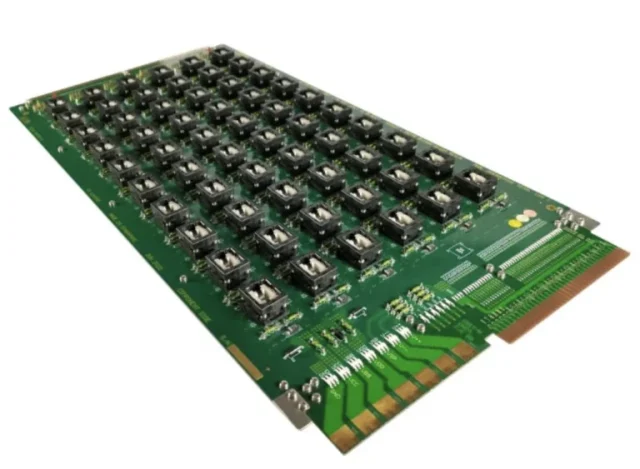
1. High-Temperature Material Stability
Burn-in testing typically occurs at elevated temperatures. Burn-in board PCBs require high-Tg laminates and thermally stable materials to prevent warpage, delamination, or electrical drift.
2. Robust Power Delivery and Current Handling
Burn-in boards must support high current and continuous power operation. Wide copper planes, optimized via structures, and reinforced power routing ensure safe and stable power distribution.
3. Controlled Impedance and Signal Integrity
For monitoring and control signals, controlled impedance routing ensures reliable data transmission even under thermal stress.
4. Mechanical Durability and Socket Reliability
Burn-in board PCBs must withstand repeated socket insertions and thermal cycling while maintaining accurate mechanical alignment and contact reliability.
5. Long-Term Electrical Reliability
Extended test durations require stable electrical performance with minimal drift, ensuring accurate detection of early-life device failures.
Applications of Burn-in Board PCBs
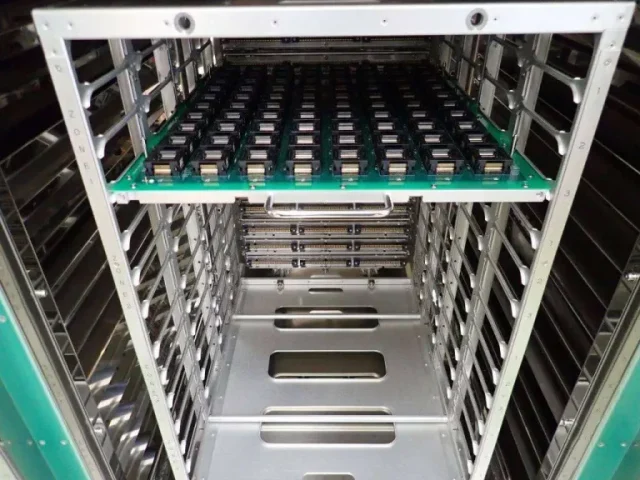
Burn-in board PCBs are widely used in:
-
IC burn-in testing for logic and analog devices
-
Memory burn-in boards for DRAM, NAND, and Flash
-
Automotive-grade semiconductor reliability testing
-
High-reliability industrial and aerospace devices
-
Pre-shipment screening and quality assurance processes
These applications demand extreme reliability and consistent performance, making burn-in board PCB quality essential.
Manufacturing Capabilities for Burn-in Board PCBs
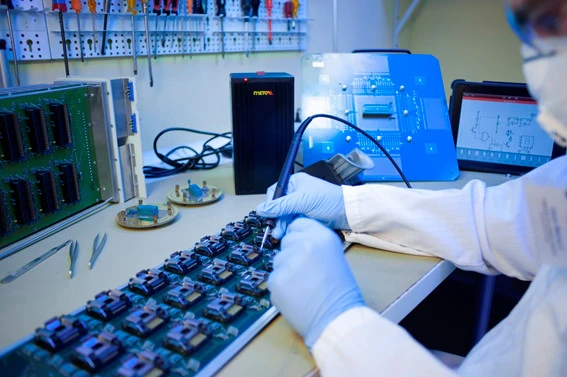
Producing a reliable Burn-in Board PCB requires specialized manufacturing expertise, including:
-
High-Tg and high-temperature laminate processing
-
Multilayer PCB fabrication with reinforced power layers
-
Controlled impedance verification
-
Thermal stress and reliability testing
-
Small batch prototyping and volume production support
These capabilities ensure that burn-in board PCBs perform consistently under harsh test conditions.
Why Burn-in Board PCB Quality Matters
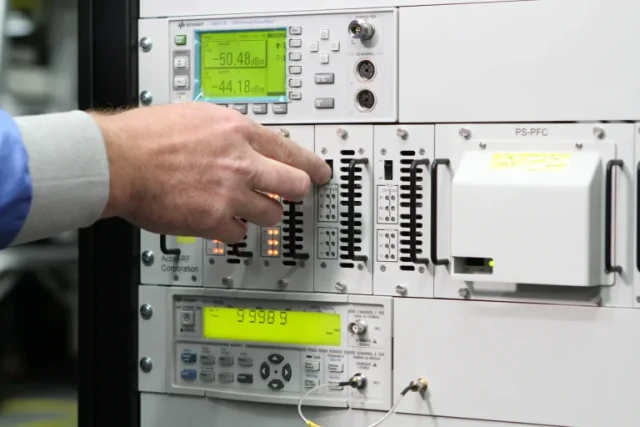
Inferior burn-in boards can lead to false failures, unreliable screening, or board damage, increasing testing costs and reducing yield. A high-quality burn-in board PCB delivers:
-
Accurate early-failure detection
-
Stable electrical performance at high temperatures
-
Extended board service life
-
Improved semiconductor product reliability
Conclusion
The Burn-in Board PCB plays a critical role in semiconductor reliability testing, enabling effective early-life failure screening under thermal and electrical stress. By combining high-temperature materials, robust power delivery, controlled impedance design, and mechanical durability, burn-in board PCBs ensure reliable and repeatable burn-in testing.
Partnering with an experienced burn-in board PCB manufacturer ensures consistent quality, improved yield, and long-term semiconductor reliability.
