
ADAS PCB for Automotive Safety and Intelligence

ADAS PCB (Advanced Driver Assistance Systems PCB) is a high-reliability printed circuit board used in modern automotive electronic systems that enhance vehicle safety, automation, and driving intelligence.
ADAS systems integrate multiple high-speed sensors and processing modules, including:
-
Radar modules (24GHz / 77GHz)
-
Camera control boards
-
LiDAR systems
-
Ultrasonic sensors
-
Central processing ECUs
-
Vehicle domain controllers
Because ADAS systems directly impact driving safety, ADAS PCB design requires strict quality control, high-frequency capability, and long-term reliability.
Key Requirements of ADAS PCB
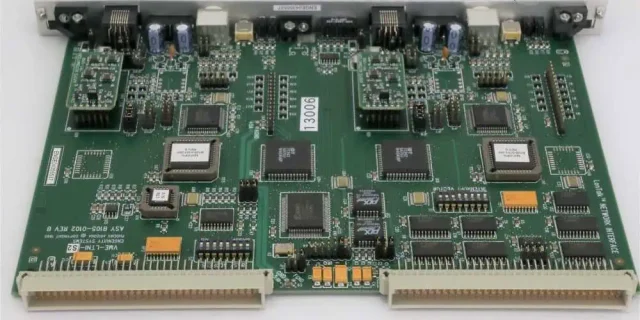
1. High Frequency Performance
Automotive radar systems (especially 77GHz radar) require:
-
Low loss materials
-
Stable dielectric constant (Dk)
-
Controlled impedance routing
-
RF trace optimization
ADAS PCB often incorporates RF laminate materials for radar modules to ensure minimal insertion loss and accurate signal transmission.
2. High Layer Count Structure
ADAS central control modules may require:
-
8–20+ layer PCB
-
Dedicated power and ground planes
-
High density routing
-
Blind and buried vias
Multilayer architecture improves signal integrity and reduces EMI.
3. HDI and Fine Pitch Support
Modern automotive processors use:
-
High pin count BGA packages
-
Fine pitch ICs
-
Advanced packaging structures
ADAS PCB supports:
-
Microvias
-
Via-in-pad
-
Sequential lamination
-
Fine line processing
These technologies enable compact, high-performance automotive electronics.
4. Automotive Grade Reliability
ADAS PCB must withstand:
-
Wide temperature range (-40°C to +125°C or higher)
-
Thermal cycling
-
Vibration and mechanical stress
-
High humidity environments
High TG materials, strong copper adhesion, and strict quality inspection are essential for long-term durability.
5. EMI and Signal Integrity Control
ADAS systems combine RF, high-speed digital, and power circuits on the same board. Proper design ensures:
-
Reduced electromagnetic interference
-
Stable return paths
-
Controlled impedance for differential signals
-
Optimized grounding structure
This guarantees reliable sensor data processing.
Applications of ADAS PCB
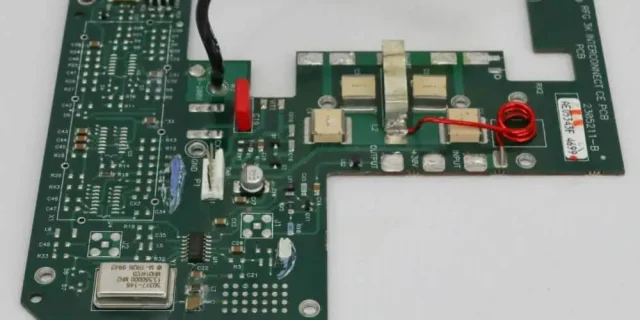
ADAS PCB is widely used in:
-
Forward collision warning systems
-
Adaptive cruise control
-
Blind spot detection
-
Lane departure warning
-
Autonomous parking systems
-
Surround view camera modules
-
Automotive radar modules
-
Central ADAS domain controllers
As autonomous driving technology advances, ADAS PCB complexity continues to increase.
Manufacturing Capabilities for ADAS PCB
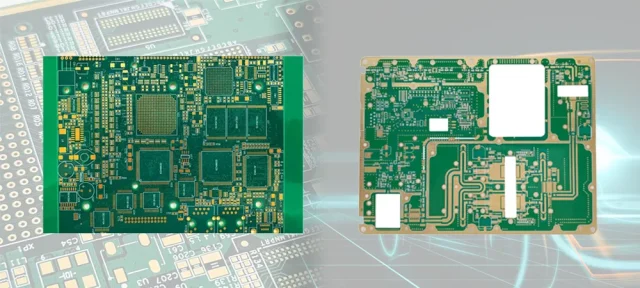
Professional ADAS PCB production may include:
-
Automotive-grade material selection
-
Controlled impedance testing
-
High layer count lamination
-
Heavy copper power planes
-
Microvia HDI processing
-
AOI and X-ray inspection
-
100% electrical testing
Strict quality management ensures compliance with automotive reliability standards.
ADAS PCB vs Standard PCB
| Feature | Standard PCB | ADAS PCB |
|---|---|---|
| Reliability Level | Commercial | Automotive Grade |
| Temperature Range | Moderate | Wide Range |
| Signal Speed | Standard | High Speed + RF |
| Layer Count | Moderate | High |
| Manufacturing Control | Normal | Strict |
ADAS PCB is engineered for safety-critical and mission-critical automotive applications.
Conclusion
ADAS PCB plays a vital role in modern vehicle safety and intelligent driving systems. With high frequency capability, HDI structure, and automotive-grade reliability, ADAS PCBs support radar modules, sensor integration, and real-time processing in advanced vehicles.
As vehicles move toward higher automation levels, high-performance and reliable ADAS PCB solutions become increasingly essential.
