
The Importance of SMT in Modern PCB Assembly
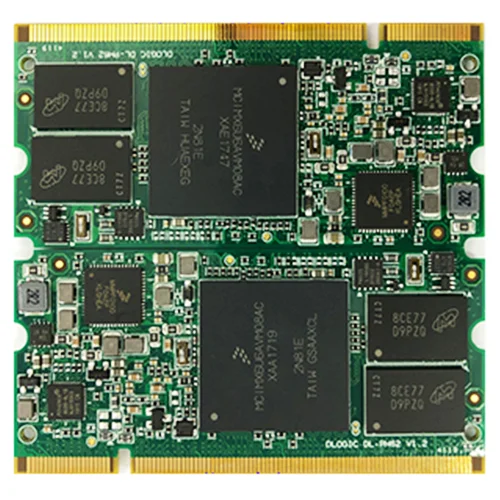
In modern electronics manufacturing, Surface Mount Technology (SMT) has become the dominant method for PCB assembly. By enabling compact designs and high-speed production, SMT PCB assembly plays a critical role in industries such as consumer electronics, automotive systems, and communication technology.
However, like any PCB assembly technology, SMT has both advantages and limitations. Understanding the advantages and disadvantages of Surface Mount Technology (SMT) helps engineers and buyers choose the right solution for their projects.
What is Surface Mount Technology (SMT)?
Surface Mount Technology (SMT) is a method of PCB assembly where SMD components are mounted directly onto the surface of a printed circuit board, eliminating the need for through-holes.
This approach allows for highly efficient, automated PCB manufacturing, making it the standard for modern electronic products.
Advantages of Surface Mount Technology (SMT)
1. High Component Density
One of the biggest advantages of SMT PCB assembly is the ability to achieve high-density PCB design.
- Smaller components allow more functionality in limited space
- Supports compact and lightweight electronic products
2. High Production Efficiency
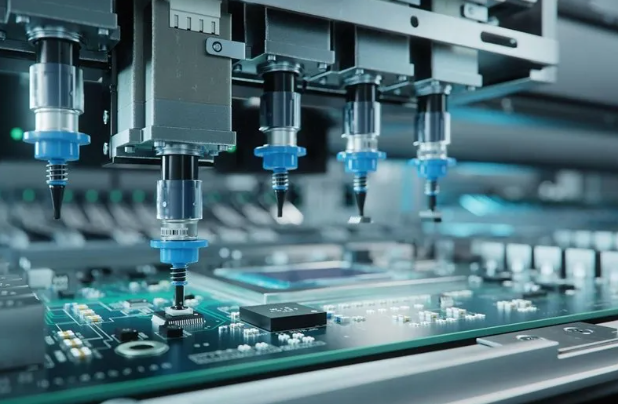
SMT manufacturing is highly automated, enabling:
- Fast pick-and-place assembly
- Consistent production quality
- Reduced manual labor
This makes SMT ideal for mass production.
3. Lower Cost for High-Volume Production
Although initial setup may require investment, SMT PCB assembly reduces cost in:
- Large-scale manufacturing
- Material usage
- Assembly time
4. Improved Electrical Performance
SMT components provide better signal integrity due to:
- Shorter signal paths
- Lower parasitic inductance and capacitance
- Better performance in high-speed circuits
5. Double-Sided Assembly Capability
SMT technology allows components to be mounted on both sides of the PCB, increasing design flexibility and component density.
Disadvantages of Surface Mount Technology (SMT)
1. Lower Mechanical Strength
Compared to through-hole technology, SMT components have weaker mechanical bonding, making them less suitable for:
- High vibration environments
- Heavy or large components
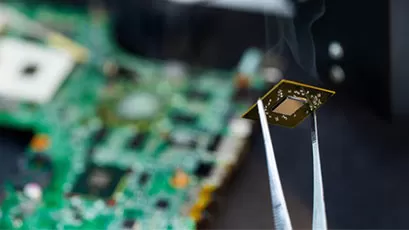
2. Difficult Repair and Rework
Due to the small size of SMD components, SMT PCB assembly can be challenging to:
- Repair
- Replace components
- Perform manual soldering
3. Sensitivity to Thermal Stress
SMT components can be affected by:
- Improper reflow soldering profiles
- Thermal expansion
- Heat-induced damage
4. Higher Initial Setup Cost
Setting up SMT production lines requires:
- Advanced equipment
- Skilled operation
- Process optimization
This can increase initial investment, especially for small production runs.
Applications of SMT Technology
Surface Mount Technology (SMT) is widely used in:
- Consumer electronics (smartphones, laptops)
- IoT devices and smart systems
- Automotive electronics
- Telecommunication equipment
- Medical devices
These applications benefit from compact design and high-performance PCB assembly.
When to Choose SMT PCB Assembly
Choose SMT PCB assembly when your project requires:
- High component density
- Compact PCB design
- High-volume production efficiency
- High-speed signal performance
When SMT May Not Be the Best Choice
SMT technology may not be ideal when:
- High mechanical strength is required
- Components are large or heavy
- The application involves extreme mechanical stress
In such cases, through-hole technology or hybrid assembly may be more suitable.
Conclusion: Balancing the Pros and Cons of SMT
Surface Mount Technology (SMT) offers significant advantages in efficiency, miniaturization, and performance, making it the preferred method for modern PCB assembly. However, its limitations in mechanical strength and repairability should be carefully considered.
By understanding the advantages and disadvantages of SMT, engineers and buyers can select the most suitable PCB assembly technology to achieve optimal performance and cost efficiency.
