
The Single-Sided PCB (Single-Layer PCB) is the most fundamental and widely used type of circuit board in the electronics industry. Featuring a single layer of conductive copper laminated onto a rigid base material (typically FR-4 or CEM-1), these boards are the backbone of high-volume, cost-sensitive electronics. For PCB manufacturing partners like KKPCB, the single-sided board remains a staple for projects where simplicity and production speed are paramount.
Key Advantages of Single-Sided PCBs
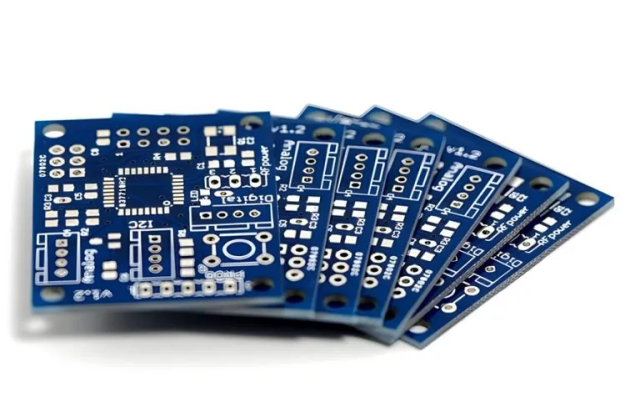
Despite the rise of complex multilayer PCBs, single-sided boards offer distinct benefits that make them irreplaceable in certain sectors:
- Unmatched Cost-Effectiveness: Due to their simple architecture, single-layer PCB fabrication involves fewer steps and less material. This leads to significantly lower costs, especially for mass production runs.
- Rapid Production Turnaround: The streamlined manufacturing process—comprising etching, drilling, and solder masking on just one side—allows for much faster lead times compared to double-sided or multilayer boards.
- Design Simplicity: For basic circuits, the single-sided layout is easier to design and troubleshoot. This simplicity reduces the likelihood of PCB assembly (PCBA) errors during the manufacturing phase.
- High Reliability for Low-Density Circuits: With fewer interconnections and no vias (through-holes for signal jumping), the risk of “open circuits” or manufacturing defects is minimized.
Core Applications of Single-Sided PCBs
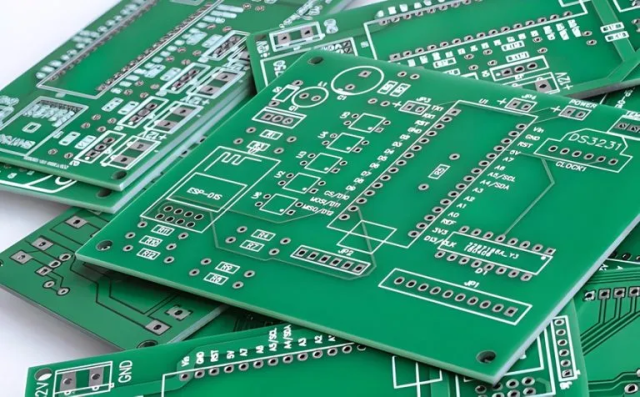
Because they are highly efficient for low-density designs, single-sided boards are found in millions of everyday devices:
- Consumer Electronics: Power supplies, LED lighting boards, calculators, and simple radio equipment rely on the cost-efficiency of single-sided technology.
- Household Appliances: Digital clocks, coffee makers, and microwave oven control panels utilize single-sided circuits for their durability and low cost.
- Automotive Systems: Basic automotive relays, sensor modules, and lighting systems often use single-layer boards to maintain high reliability under vibration.
- Industrial Controls: Simple timers, power monitoring modules, and sensor interfaces in industrial environments frequently leverage the rugged simplicity of single-sided designs.
Why Choose KKPCB for Single-Sided Production?
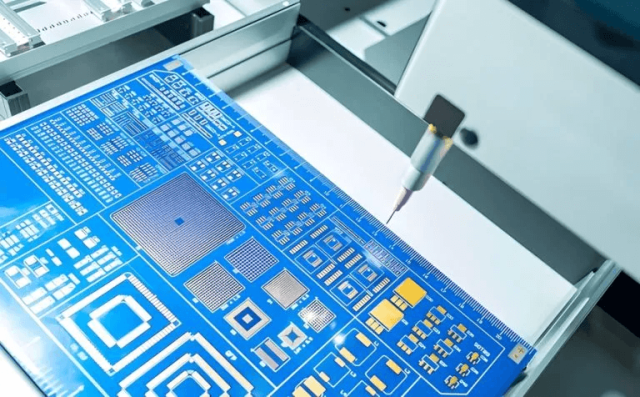
At KKPCB, we combine high-volume capacity with precision quality control. Even for “simple” boards, we ensure high-grade surface finishes (like HASL or OSP) and 100% electrical testing to guarantee that your high-volume orders perform flawlessly in the field.
