
The Rapid Expansion of UAV PCB Technology
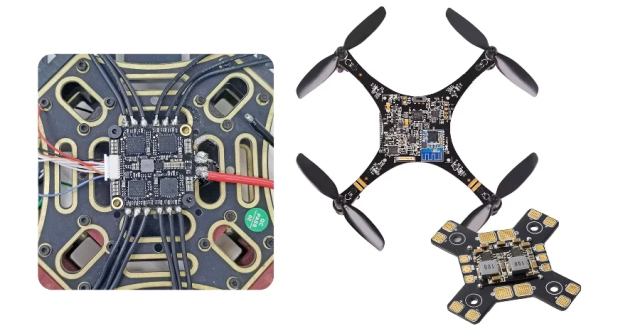
The global unmanned aerial vehicle (UAV) industry is rapidly growing across:
- Commercial drone systems
- Military aerospace platforms
- Industrial inspection equipment
- Agricultural drone technology
- Autonomous delivery systems
Modern UAV systems rely heavily on advanced electronics for:
- Flight control
- Navigation
- Wireless communication
- AI image processing
- Real-time sensor integration
These complex electronic systems require highly reliable UAV PCB solutions capable of supporting:
- Lightweight structural design
- Stable RF communication
- High-speed data transmission
- Aerospace-grade durability
Traditional PCB structures often struggle to meet UAV requirements because of:
- Weight limitations
- Thermal stress
- Vibration exposure
- High-frequency communication demands
As a result, advanced UAV PCB technology has become essential for:
- Drone flight systems
- Aerospace communication electronics
- Autonomous navigation platforms
At KKPCB, advanced UAV PCB solutions are engineered for:
- Flight control electronics
- RF drone communication systems
- High-density aerospace PCB applications
What Is a UAV PCB?
A UAV PCB is a printed circuit board specifically designed for:
- Drone electronics
- Flight control systems
- Aerospace communication platforms
- Autonomous navigation modules
UAV PCB systems are widely used in:
- Flight controllers
- GPS navigation modules
- RF communication systems
- AI vision processing units
- Battery management systems
- Sensor integration platforms
UAV PCB technology must provide:
- Lightweight multilayer structures
- Stable signal integrity
- High-frequency RF performance
- Reliable thermal management
- Vibration-resistant durability
Key Requirements of UAV PCB Design
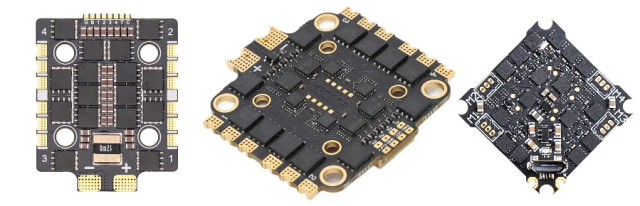
Lightweight PCB Structure
Weight reduction is one of the most critical requirements in UAV electronics.
Lightweight UAV PCB design improves:
- Flight endurance
- Energy efficiency
- Payload capability
- Flight stability
PCB engineers optimize:
- Multilayer stack-up structures
- Material thickness
- Copper balancing
- Compact component placement
These methods reduce:
- Total drone weight
- Power consumption
- Mechanical stress
High-Speed Signal Integrity
Modern UAV systems process large amounts of real-time data from:
- Cameras
- Navigation sensors
- AI processors
- Wireless communication modules
Poor signal integrity can cause:
- Communication delays
- Flight instability
- Sensor synchronization issues
- Navigation errors
Signal integrity optimization techniques include:
- Differential pair routing
- Reference plane continuity
- Crosstalk reduction
- Via optimization
These methods improve:
- Real-time control accuracy
- Autonomous navigation reliability
- Data transmission stability
Controlled Impedance Routing
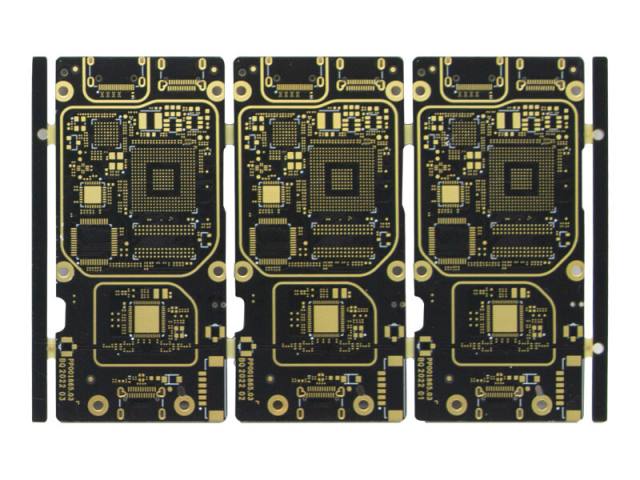
Controlled impedance is essential in:
- RF communication systems
- GPS modules
- High-speed sensor interfaces
- Drone antenna routing
At KKPCB, advanced multilayer stack-up optimization ensures:
- Stable RF transmission
- Reliable wireless communication
- Better drone signal performance
RF Communication Reliability
UAV systems rely heavily on:
- Wireless telemetry
- RF control systems
- Satellite communication
- Real-time video transmission
RF PCB design focuses on:
- Low-loss signal transmission
- Antenna integration
- RF shielding optimization
- Microwave routing stability
These techniques improve:
- Flight communication range
- Signal transmission quality
- Drone control reliability
PCB Materials for UAV PCB
Material selection strongly affects:
- Weight reduction
- Signal integrity
- Thermal stability
- Aerospace reliability
Common UAV PCB materials include:
- High Tg FR4
- Low-loss RF laminates
- PTFE-based materials
- Lightweight multilayer substrates
Important material properties include:
- Low dielectric loss
- Stable dielectric constant
- High thermal reliability
- Excellent mechanical strength
Multilayer Stack-Up Design for UAV PCB
Modern UAV electronics commonly use:
- Multilayer PCB structures
- HDI PCB technology
- RF-digital hybrid layouts
- Dedicated ground and power planes
Proper multilayer stack-up improves:
- Signal isolation
- EMI suppression
- Routing density
- Power integrity
Optimized UAV PCB structures reduce:
- RF interference
- Crosstalk
- Signal reflection
- Power noise coupling
Thermal Management in UAV PCB
High-performance UAV electronics generate concentrated heat from:
- AI processors
- RF communication modules
- Flight controllers
- Power management systems
Thermal management solutions include:
- Thermal via arrays
- Copper heat-spreading planes
- Lightweight thermal structures
- Heat sink integration
Efficient thermal design improves:
- Flight system stability
- Electronic reliability
- Long-term operational durability
EMI and EMC Optimization in UAV PCB
UAV communication systems are highly sensitive to electromagnetic interference.
EMI suppression strategies include:
- RF shielding structures
- Ground via stitching
- Controlled return current paths
- Layer isolation optimization
- Antenna interference reduction
These techniques improve:
- Flight communication reliability
- Sensor stability
- RF transmission quality
Manufacturing Challenges of UAV PCB
UAV PCB fabrication requires high manufacturing precision and aerospace reliability standards.
Key manufacturing challenges include:
- Tight impedance tolerance control
- Precision multilayer alignment
- Lightweight structural optimization
- RF trace geometry accuracy
- Stable dielectric thickness management
UAV PCB manufacturing must ensure:
- Vibration resistance
- Thermal cycling reliability
- Stable RF transmission consistency
At KKPCB, advanced manufacturing technologies ensure:
- Reliable aerospace PCB quality
- Stable wireless communication performance
- Consistent multilayer PCB production capability
Applications of UAV PCB
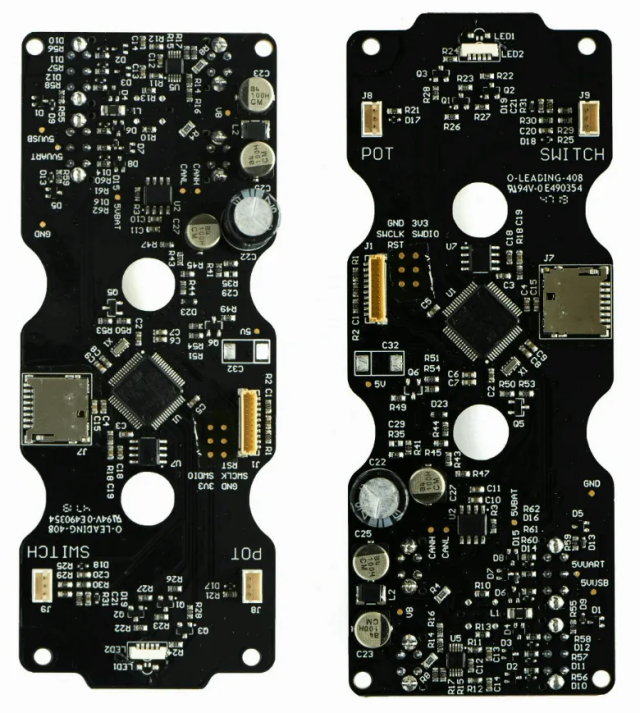
UAV PCB technology is widely used in:
- Commercial drones
- Military UAV systems
- Agricultural drones
- Autonomous inspection drones
- Aerial mapping platforms
- Delivery drone systems
- Aerospace surveillance equipment
These applications require:
- Lightweight PCB structures
- Stable RF communication
- Reliable autonomous control systems
Future Trends in UAV PCB Technology
Future UAV PCB development focuses on:
- AI-powered autonomous drones
- mmWave communication systems
- Lightweight HDI PCB integration
- Advanced aerospace RF modules
- Long-range wireless communication platforms
Emerging UAV technologies require:
- Faster data transmission
- Better signal integrity
- Lower RF transmission loss
- More compact multilayer PCB architectures
Conclusion
UAV PCB technology is essential for modern:
- Drone flight systems
- Aerospace communication electronics
- Autonomous navigation platforms
Through optimized:
- Lightweight multilayer PCB design
- Controlled impedance routing
- RF communication engineering
- Thermal management optimization
- Aerospace-grade manufacturing precision
engineers can achieve:
- More reliable drone communication
- Better autonomous flight performance
- Improved RF signal stability
- Higher aerospace electronics reliability
With extensive expertise in aerospace PCB engineering and RF multilayer manufacturing, KKPCB delivers advanced PCB solutions for next-generation drone and autonomous flight technologies.
